Content Menu
● Introduction to Procaine Penicillin
>> Side Effects and Considerations
● Frequently Asked Questions (FAQ)
>> 1. What types of infections can procaine penicillin treat?
>> 2. How is procaine penicillin administered?
>> 3. Are there any side effects associated with procaine penicillin?
>> 4. Can procaine penicillin be used in children?
>> 5. What should I do if I experience an allergic reaction to procaine penicillin?
Procaine penicillin, also known as penicillin G procaine, is a widely used antibiotic that plays a crucial role in treating various bacterial infections. This article delves into the specifics of what procaine penicillin targets, its mechanism of action, and its applications in medical practice.
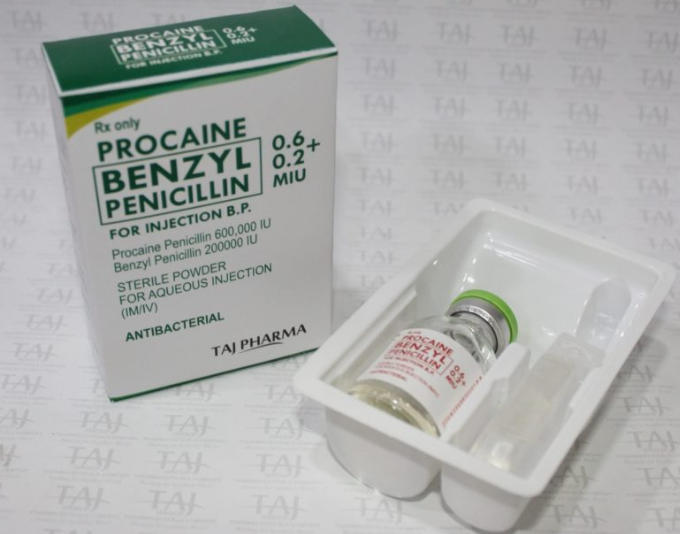
Procaine penicillin is a combination of benzylpenicillin (penicillin G) and procaine, a local anesthetic. This combination allows for prolonged action and reduced pain during injection. It is primarily used to treat infections caused by susceptible bacteria, particularly Gram-positive organisms.
The primary target of procaine penicillin is the penicillin-binding proteins (PBPs) located in the bacterial cell wall. By binding to these proteins, procaine penicillin inhibits the synthesis of the bacterial cell wall, leading to cell lysis and death. This mechanism is particularly effective against a variety of Gram-positive bacteria, including:
- Streptococcus pneumoniae
- Streptococcus pyogenes
- Staphylococcus aureus
The action of procaine penicillin disrupts the cross-linking of peptidoglycan chains, which are essential for maintaining the structural integrity of the bacterial cell wall. Without a functional cell wall, bacteria cannot withstand osmotic pressure, leading to their eventual rupture and death.
Procaine penicillin is utilized in treating several infections, including:
- Syphilis: A sexually transmitted infection caused by *Treponema pallidum*. Procaine penicillin is the preferred treatment due to its effectiveness and the need for a long-acting formulation.
- Anthrax: A serious infectious disease caused by *Bacillus anthracis*. Procaine penicillin is used as part of the treatment regimen for inhalational anthrax, especially in combination with other antibiotics.
- Respiratory Tract Infections: Such as pneumonia and diphtheria. Procaine penicillin is effective against the bacteria responsible for these infections, providing a reliable treatment option.
- Cellulitis and Erysipelas: Skin infections caused by bacteria. Procaine penicillin is often used when oral antibiotics are not suitable or when a more aggressive treatment is required.
Procaine penicillin is administered via intramuscular injection. The dosage varies based on the type and severity of the infection, as well as the patient's age and weight. For adults, the typical dosage for treating syphilis is 2.4 million units administered as a single intramuscular injection. For children, the dosage is adjusted according to their weight.
The injection site is usually the upper outer quadrant of the gluteus maximus or the midlateral thigh. The formulation is designed to create a depot effect, allowing for slow release and prolonged therapeutic levels of benzylpenicillin in the bloodstream.
While procaine penicillin is generally safe, it can cause side effects, including allergic reactions, rash, and gastrointestinal disturbances. It is essential to monitor patients for any adverse reactions, especially those with a history of penicillin allergies. Common side effects may include:
- Allergic Reactions: Symptoms can range from mild rashes to severe anaphylactic reactions. Patients should be screened for allergies before administration.
- Gastrointestinal Issues: Nausea, vomiting, and diarrhea may occur, particularly in patients receiving high doses or prolonged therapy.
- Injection Site Reactions: Pain, swelling, or redness at the injection site can occur, although these are typically mild and resolve quickly.
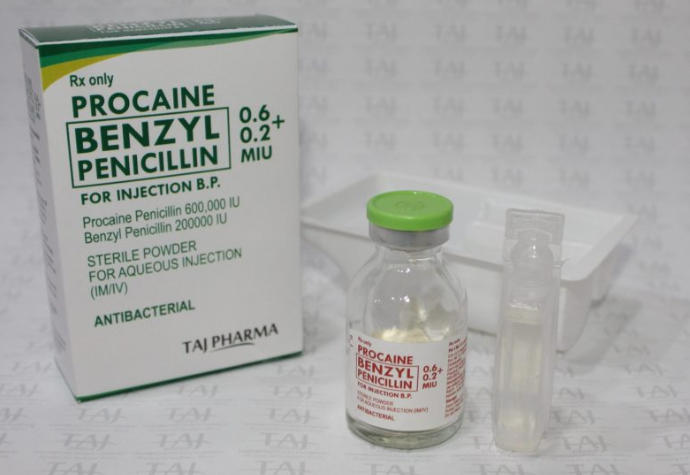
Understanding the pharmacokinetics of procaine penicillin is crucial for optimizing its use in clinical settings. After intramuscular injection, procaine penicillin is slowly absorbed into the bloodstream. The procaine component helps to prolong the action of benzylpenicillin by creating a depot effect, which allows for sustained release over time.
The half-life of benzylpenicillin in the body is approximately 30 minutes to 1 hour, but the presence of procaine extends its effective duration. This characteristic makes procaine penicillin particularly useful in treating infections that require prolonged antibiotic exposure.
As with all antibiotics, the emergence of bacterial resistance is a significant concern. While procaine penicillin remains effective against many strains of Gram-positive bacteria, some organisms have developed resistance mechanisms. For instance, certain strains of *Staphylococcus aureus* have become resistant to penicillin due to the production of beta-lactamase enzymes, which can inactivate the antibiotic.
To combat resistance, it is essential to use procaine penicillin judiciously and only when indicated. Antibiotic stewardship programs aim to optimize the use of antibiotics, ensuring that they remain effective for future generations.
To further understand procaine penicillin, here are some informative videos:
1. [Pharmacology of Procaine Penicillin](https://www.youtube.com/watch?v=F8kilENrMDc) - A detailed overview of its pharmacological properties.
2. [GP How to Guide: Penicillin Injection for the treatment of Syphilis](https://www.youtube.com/watch?v=uEoXv0V-Wyo) - A practical guide on administering penicillin injections.
3. [Understanding Procaine Penicillin Injection Uses](https://www.tiktok.com/@malachypharm/video/7467221506913733893) - A brief overview of its uses in treating infections.
Procaine penicillin remains a vital antibiotic in the treatment of various bacterial infections. Its ability to effectively target Gram-positive bacteria while minimizing discomfort during administration makes it a preferred choice in clinical settings.
If you are a brand owner, wholesaler, or manufacturer looking for reliable OEM services in the biotechnology and pharmaceutical sectors, we invite you to contact us for more information on how we can assist you in your product development needs.
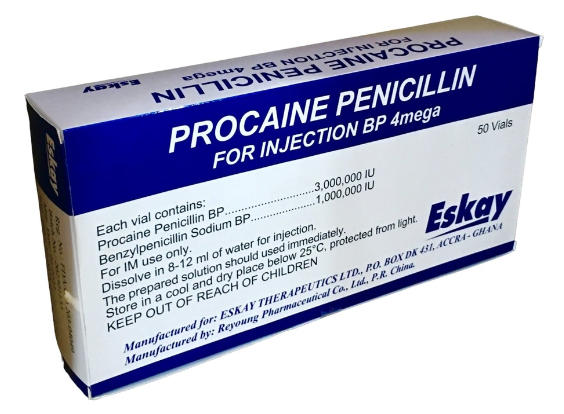
Procaine penicillin is effective against infections caused by Gram-positive bacteria, including syphilis, anthrax, pneumonia, and cellulitis.
It is administered via intramuscular injection, typically in a healthcare setting.
Yes, potential side effects include allergic reactions, rash, and gastrointestinal issues. Monitoring is essential.
Yes, procaine penicillin can be used in pediatric patients, but dosages must be adjusted based on weight and age.
Seek immediate medical attention if you experience symptoms of an allergic reaction, such as difficulty breathing or swelling.
Hot tags: Procaine Penicillin, Antibiotic Mechanism, Penicillin G Targets, Bacterial Infections Treatment, Gram-Positive Bacteria, Penicillin Binding Proteins, Cell Wall Synthesis Inhibition, Syphilis Treatment, Antibacterial Agents, Procaine Benzylpenicillin