Content Menu
● Effects of Swallowing Procaine
>> What to Do If Procaine Is Swallowed
● FAQ
>> 1. What should I do if someone swallows procaine?
>> 2. Can procaine cause allergic reactions?
>> 3. What are the symptoms of procaine toxicity?
>> 4. Is procaine safe for oral use?
>> 5. How is procaine metabolized in the body?
Procaine, commonly known by its trade name Novocain, is a local anesthetic that has been widely used in medical settings, particularly in dentistry. It is primarily administered via injection to numb specific areas of the body during surgical procedures. However, there are concerns regarding the effects of procaine if swallowed, as it is not intended for oral consumption. This article explores the implications of ingesting procaine, its potential side effects, and the necessary precautions to take in case of accidental ingestion.
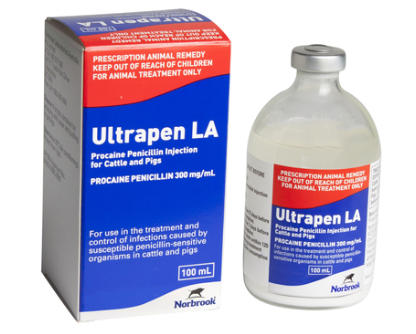
Procaine is an ester anesthetic that works by blocking nerve signals in the body. It is metabolized in the plasma by the enzyme pseudocholinesterase, which breaks it down into para-aminobenzoic acid (PABA). This process is crucial for its effectiveness as a local anesthetic. Procaine is often used in dental procedures to alleviate pain during tooth extractions and other surgical interventions.
Procaine acts primarily by inhibiting sodium influx through voltage-gated sodium channels in the neuronal cell membranes. This inhibition prevents the generation and propagation of action potentials, effectively numbing the targeted area. The anesthetic properties of procaine make it a valuable tool in various medical procedures, but its safety profile is significantly different when ingested orally.
When procaine is swallowed, its absorption and effects differ markedly from when it is injected. The gastrointestinal tract does not absorb procaine efficiently, which raises questions about its safety and potential side effects when ingested. While there is limited research on the specific effects of swallowing procaine, some known side effects include:
- Gastrointestinal Distress: Ingesting procaine may lead to symptoms such as nausea, vomiting, and abdominal pain. These symptoms can be particularly concerning if the individual has a pre-existing gastrointestinal condition.
- Cardiovascular Effects: Procaine can affect heart function, potentially leading to irregular heartbeats or other cardiovascular issues. This is especially true if large amounts are ingested, as it may lead to systemic toxicity.
- Central Nervous System Effects: High doses of procaine can result in central nervous system toxicity, which may manifest as dizziness, confusion, seizures, or even respiratory failure in severe cases.
- Allergic Reactions: Some individuals may experience allergic reactions to procaine, which can include skin rashes, itching, or more severe symptoms like difficulty breathing.
If procaine is accidentally swallowed, it is crucial to seek medical attention immediately. Do not induce vomiting unless instructed by a healthcare professional. Instead, rinse the mouth thoroughly with water and provide the individual with water to drink if they are conscious and able to swallow. Medical professionals may perform supportive care, including monitoring vital signs and administering activated charcoal to limit absorption if the ingestion was recent.

Procaine has a long history of use in medicine, particularly in dental and minor surgical procedures. Its effectiveness as a local anesthetic has made it a staple in various medical practices. However, the advent of newer anesthetics, such as lidocaine, has led to a decline in the use of procaine due to its slower onset and shorter duration of action.
Despite the emergence of newer alternatives, procaine still has some advantages:
1. Lower Risk of Systemic Toxicity: When used correctly, procaine has a lower risk of systemic toxicity compared to some other anesthetics, making it a safer option for certain patients.
2. Vasoconstrictive Properties: Procaine has the ability to constrict blood vessels, which can reduce bleeding during surgical procedures.
3. Cost-Effectiveness: Procaine is often less expensive than newer anesthetics, making it a cost-effective option for some medical practices.
However, there are also notable disadvantages to using procaine:
1. Short Duration of Action: Procaine's effects are relatively short-lived, often requiring multiple doses during longer procedures.
2. Allergic Reactions: As mentioned earlier, some patients may experience allergic reactions to procaine, which can complicate its use.
3. Limited Efficacy in Certain Procedures: In some cases, procaine may not provide adequate anesthesia for more invasive procedures, necessitating the use of stronger anesthetics.
In summary, procaine is a valuable local anesthetic with specific applications in medical procedures. However, swallowing procaine can lead to serious health risks, including gastrointestinal distress, cardiovascular effects, and central nervous system toxicity. It is essential to handle procaine with care and to seek immediate medical attention in the event of accidental ingestion.
If you are a healthcare provider or a patient considering the use of procaine, it is vital to understand its intended use and the potential risks associated with improper administration. For more information or to discuss your specific needs regarding procaine or other anesthetics, please contact us today.
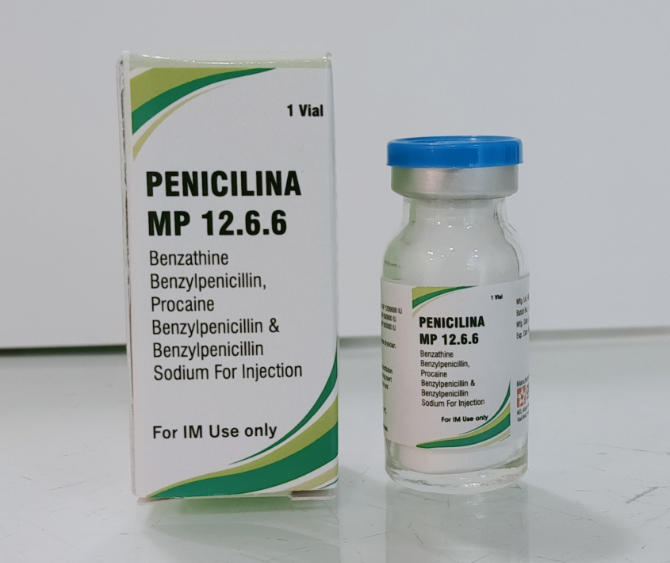
If someone swallows procaine, seek medical attention immediately. Do not induce vomiting unless instructed by a healthcare professional.
Yes, procaine can cause allergic reactions in some individuals, including skin rashes, itching, and difficulty breathing.
Symptoms of procaine toxicity may include dizziness, confusion, seizures, irregular heartbeats, and respiratory failure in severe cases.
Procaine is not intended for oral use and can cause adverse effects if swallowed. It should only be administered by a healthcare professional via injection.
Procaine is metabolized in the plasma by the enzyme pseudocholinesterase, which breaks it down into para-aminobenzoic acid (PABA), a process essential for its anesthetic effects.
Hot tags: Procaine Effects, Procaine Swallowing Risks, Procaine Side Effects, Procaine Toxicity Symptoms, Procaine Overdose Treatment, Procaine Safety Information, Procaine Health Risks, Procaine Usage Guidelines, Procaine Drug Interactions, Procaine Medical Advice