Content Menu
● Primary Ingredients of Lidocaine Powder
● How Is Lidocaine Powder Manufactured?
● Applications of Lidocaine Powder
>> Medical Uses
>> Biotechnological and Pharmaceutical Industry
● Typical Formulations Containing Lidocaine Powder
● Safety and Storage of Lidocaine Powder
● Mechanism of Action of Lidocaine
● Advantages of Using Lidocaine Powder in OEM Manufacturing
● Frequently Asked Questions (FAQ)
>> 1. What is the main ingredient in lidocaine powder?
>> 2. How is lidocaine powder different from lidocaine hydrochloride?
>> 3. Is lidocaine powder safe for medical use?
>> 4. Can lidocaine powder be used in topical products?
>> 5. How should lidocaine powder be stored?
Lidocaine powder is a widely used compound in the medical and pharmaceutical fields, primarily known for its effectiveness as a local anesthetic and antiarrhythmic agent. This article explores what lidocaine powder contains, its chemical properties, applications in biotechnology, pharmaceuticals, and medical devices, and the key components that define its function. Whether you are a healthcare professional, a product developer, or a potential client interested in OEM services, this article provides valuable insights into lidocaine powder.
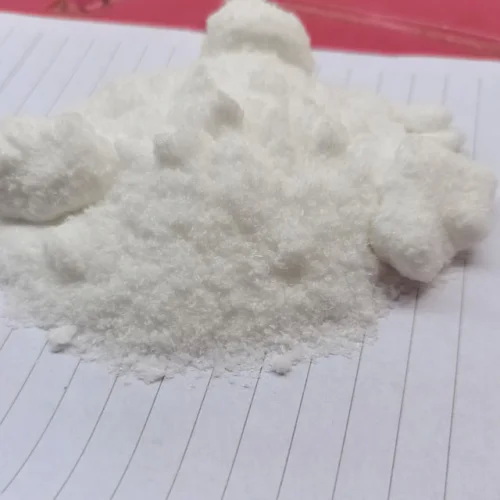
Lidocaine powder, chemically known as 2-(diethylamino)-N-(2,6-dimethylphenyl)acetamide, is a white crystalline powder that is freely soluble in water. Its molecular formula is C14H22N2O with a molecular weight of 234.34. In the pharmaceutical industry, lidocaine is widely used under various brand names such as Xylocaine and Lignocaine.
- The core molecule consists of an aromatic ring (dimethylphenyl) linked to an amide group and a diethylamino side chain.
- Lidocaine powder may also include additives, especially when formulated as lidocaine hydrochloride for pharmaceutical use.
- The hydrochloride form contains hydrochloric acid to improve solubility and stability.
Lidocaine's ability to penetrate nerve membranes and block the generation and conduction of nerve impulses is directly related to this chemical structure. The molecule's specific arrangement allows it to act effectively as a local anesthetic by inhibiting sodium ion channels in neuronal membranes. This inhibition prevents pain signals from being transmitted to the brain, making lidocaine highly effective for numbing tissues during various medical procedures.
Lidocaine powder primarily contains the active anesthetic agent lidocaine in its pure form. The key components include:
- Lidocaine Base (C14H22N2O): The active molecule responsible for anesthetic and antiarrhythmic effects.
- Hydrochloride Salt (in lidocaine hydrochloride): Enhances water solubility and stability.
- Trace Additives: Depending on the manufacturing process and formulation, there may be minor quantities of stabilizers or preservatives, but pharmaceutical-grade lidocaine is highly purified (typically ≥ 99% purity).
The lidocaine base is often converted to the hydrochloride salt form for pharmaceutical preparations to enable easier formulation into aqueous solutions and better absorption when administered. This conversion is essential for injectable lidocaine and topical formulations, as the hydrochloride salt provides greater stability and solubility.
The manufacturing process of lidocaine powder involves:
1. Chemical Synthesis: The process starts with the reaction of 2,6-dimethylaniline with chloroacetyl chloride to form 2-chloro-N-(2,6-dimethylphenyl)acetamide. This intermediate is then reacted with diethylamine to produce lidocaine base.
2. Purification: The raw chemical product undergoes purification techniques such as recrystallization and filtration to achieve a highly pure crystalline powder typically with ≥ 99% purity.
3. Micronization (Optional): For enhanced medical usage, lidocaine powder can be micronized (reduced to fine particles) which increases its surface area and improves bioavailability, especially important for topical applications.
4. Formulation: Depending on the use case, pure lidocaine base is then converted into lidocaine hydrochloride by neutralization with hydrochloric acid, providing a water-soluble salt form suitable for injection, gels, and sprays.
The rigorous quality control measures ensure that the product adheres to pharmacopeial standards and regulatory requirements, making it safe for human use across various therapeutic applications.
- Local Anesthesia: Lidocaine powder is the foundation for topical creams, gels, sprays, and injections used to numb tissues during minor surgeries, dental procedures, and skin treatments. It is preferred for its rapid onset of action and moderate duration.
- Antiarrhythmic Agent: Lidocaine hydrochloride injections are used intravenously to treat ventricular arrhythmias, stabilizing abnormal heart rhythms and protecting patients during critical cardiac events.
- Pain Relief: Lidocaine is commonly incorporated into patches, wound dressings, and transdermal systems for managing chronic pain conditions such as post-herpetic neuralgia or neuropathic pain.
- OEM manufacturers worldwide utilize lidocaine powder to produce a broad range of dosage forms and medical products for domestic and international markets.
- It plays an essential role in the development of advanced medical devices like catheter coatings and surgical dressings that require localized numbing properties.
- Custom compounded formulations incorporating lidocaine powder cater to niche therapeutic needs, offering tailored drug delivery solutions.
Lidocaine's versatility and efficacy make it a critical raw material for various health-related industries, ensuring its demand remains robust in global supply chains.
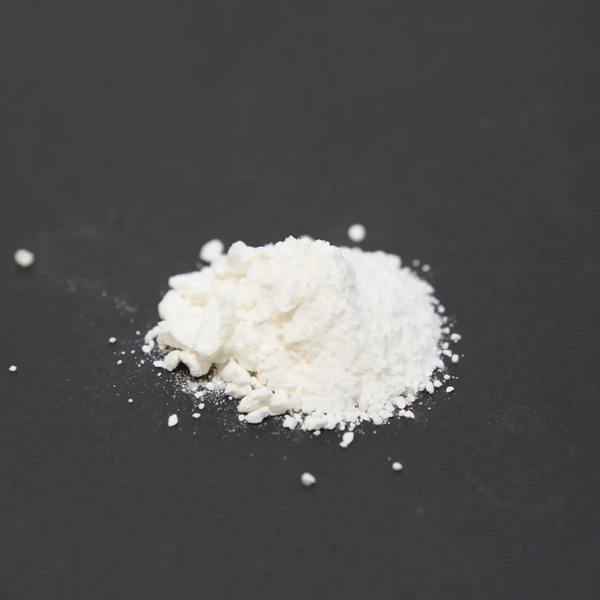
- Lidocaine Hydrochloride Injection: Sterile formulations at concentrations ranging from 0.5% to 2% for rapid local anesthesia or antiarrhythmic use.
- Topical Creams and Ointments: Products combining lidocaine powder with moisturizing bases to provide surface anesthesia with minimal irritation.
- Transdermal Patches: Controlled release patches delivering steady doses of lidocaine over extended periods to manage localized pain safely.
- Dental Gels and Sprays: Formulations designed for mucosal anesthesia, often used before dental procedures or minor oral surgeries.
Lidocaine powder must be stored in controlled environments to retain its purity and effectiveness:
- Store in a cool, dry place, protected from moisture, heat, and direct sunlight.
- The powder should be kept in airtight containers to prevent contamination and degradation.
- Pharmaceutical handling and manufacturing processes follow strict protocols to avoid cross-contamination and maintain sterile conditions.
When used according to recommended guidelines, lidocaine is safe and well-tolerated, but improper dosing or misuse can lead to adverse effects such as systemic toxicity. Hence, adherence to medical standards is paramount.
Lidocaine acts by blocking voltage-gated sodium channels on the nerve cell membranes. This blockage:
- Prevents the initiation and conduction of nerve impulses.
- Inhibits pain signal transmission to the central nervous system.
- Produces localized numbness in the target tissue within minutes of application.
This mechanism also extends to cardiac cells, where lidocaine stabilizes the heart's electrical activity by suppressing abnormal automaticity, which is why it is valuable in treating arrhythmias.
- High Purity: Ensures consistent efficacy and safety for end products.
- Versatility: Suitable for wide-ranging formulations including injectables, topical agents, and transdermal systems.
- Regulatory Compliance: Pharmaceutical-grade lidocaine meets international standards required for medical and cosmetic product manufacturing.
- Customization: OEM producers can tailor particle size and formulation to client specifications.
By choosing a reliable lidocaine powder supplier, brand owners and manufacturers can develop innovative and effective products that meet market demands and regulatory scrutiny.
Lidocaine powder is a cornerstone ingredient in medical and pharmaceutical fields, renowned for its anesthetic and antiarrhythmic capabilities. Composed mainly of lidocaine base and its hydrochloride salt form, it supports diverse product formulations ranging from injections to topical applications. Manufacturing involves sophisticated chemical synthesis and purification to meet stringent industry standards. For biotech and pharmaceutical companies looking for high-quality lidocaine powder with OEM capabilities, partnering with experienced suppliers ensures product integrity and market competitiveness. Contact us today to explore customized lidocaine solutions tailored for your brand or production needs.
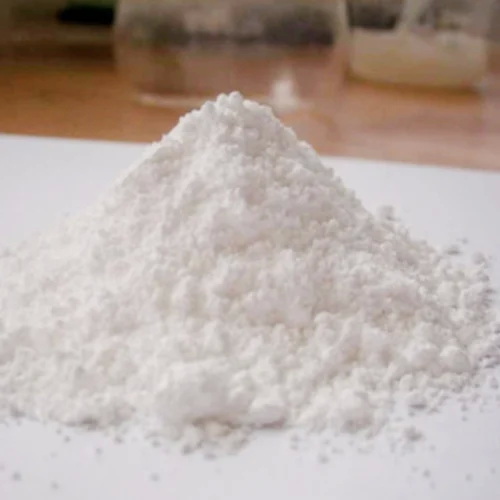
The main ingredient is lidocaine base (C14H22N2O), a white crystalline powder used for local anesthesia and antiarrhythmic purposes.
Lidocaine hydrochloride is the salt form of lidocaine designed to improve solubility in water, while lidocaine powder generally refers to the pure base form used in manufacturing.
Yes, when manufactured and formulated according to pharmaceutical standards, lidocaine powder is safe and widely used in clinical settings.
Yes, lidocaine powder is commonly formulated into creams, gels, and sprays to provide topical anesthetic effects.
Store lidocaine powder in a cool, dry environment, away from direct sunlight and moisture, to maintain its stability and efficacy.
[1] https://en.wikipedia.org/wiki/Lidocaine
[2] https://www.exportersindia.com/cn/lidocaine.htm
[3] https://www.drugs.com/pro/lidocaine.html
[4] https://www.chemicalbook.com/SupplyInfo_877272.htm
[5] https://www.thermofisher.com/order/catalog/product/de/en/137251000
[6] https://www.made-in-china.com/manufacturers/lidocaine.html
[7] https://labeling.pfizer.com/ShowLabeling.aspx?id=14311
[8] https://www.alibaba.com/lidocaine-hcl-suppliers.html
[9] https://go.drugbank.com/drugs/DB00281
[10] https://www.made-in-china.com/products-search/hot-china-products/Benzocaine_Lidocaine.html
Hot tags: Lidocaine Powder Uses, Lidocaine Powder Ingredients, Lidocaine Powder Products, Lidocaine Powder Composition, Lidocaine Powder Applications, Lidocaine Powder Formulations, Lidocaine Powder Benefits, Lidocaine Powder Safety, Lidocaine Powder Effects, Lidocaine Powder Types