Content Menu
● What Is Penicillin G Procaine?
● Mechanism of Action and Pharmacodynamics
● Why Oral Administration of Penicillin G Procaine Is Not Advisable
>> 1. Acid Instability of Penicillin G
>> 2. Lack of Systemic Absorption
>> 3. Intended Slow-Release via Intramuscular Injection
>> 4. Clinical Evidence and Pharmacokinetic Studies
● Oral Penicillin Alternatives
● Proper Administration of Penicillin G Procaine
● Safety Considerations and Side Effects
● Implications for OEM Manufacturing and Global Supply
● Benefits of Penicillin G Procaine Injectable Therapy
>> 1. Can Penicillin G Procaine be taken orally?
>> 2. How is Penicillin G Procaine administered?
>> 3. What types of infections does Penicillin G Procaine treat?
>> 4. Are there oral alternatives to Penicillin G Procaine?
>> 5. What are the advantages of Penicillin G Procaine injections over oral antibiotics?
Penicillin G Procaine is a commonly used antibiotic that has played a significant role in combating bacterial infections for decades. It is a combination drug that includes penicillin G, a potent bactericidal antibiotic, and procaine, a local anesthetic designed to ease the pain associated with injections. Because Penicillin G Procaine is conventionally delivered by intramuscular injection, many wonder whether it can be administered orally instead.
This article provides an in-depth exploration of Penicillin G Procaine, including its properties, mechanisms of action, administration routes, and the scientific and clinical considerations behind why the oral administration of this drug is generally not recommended. We will also explore alternatives for oral penicillin therapy and shed light on OEM manufacturing possibilities for overseas clients looking to source this essential medicine from China.
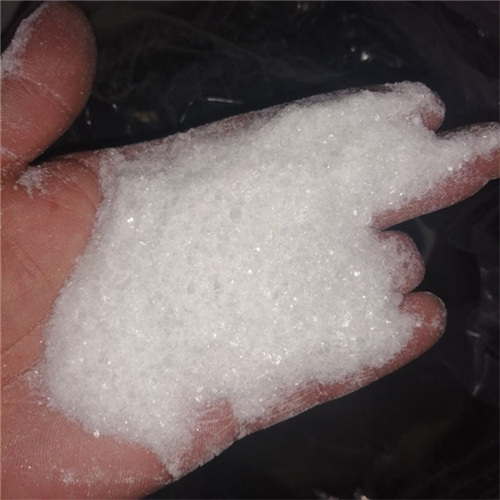
Penicillin G Procaine is a pharmacological preparation combining two distinct components:
- Penicillin G: A naturally derived antibiotic from Penicillium species that acts by inhibiting bacterial cell wall synthesis, leading to the death of susceptible bacteria.
- Procaine: A local anesthetic that serves to reduce injection discomfort by numbing the local tissues during and after the intramuscular administration of the antibiotic.
This formulation provides a slow-release antibiotic effect after being injected deep into muscle tissue. The slow absorption helps sustain therapeutic levels of penicillin in the bloodstream, which is crucial for treating infections effectively while minimizing dosing frequency.
Penicillin G works by targeting the bacterial cell wall, specifically inhibiting the transpeptidase enzyme responsible for cross-linking peptidoglycan strands. The inhibition weakens the bacterial cell wall, causing osmotic imbalance and cell lysis.
Procaine acts locally by blocking sodium channels in nerve cells, preventing the propagation of pain signals from the injection site.
Because Penicillin G is time-dependent in its bactericidal activity, maintaining consistent concentrations above the minimum inhibitory concentration (MIC) is essential. Procaine penicillin formulations achieve this through their slow liberation from the injection site.
Despite its efficacy as a slow-release injectable antibiotic, Penicillin G Procaine is not suitable for oral consumption. Several critical factors explain why:
Penicillin G is chemically unstable in highly acidic environments, such as the human stomach. When taken orally, the drug encounters gastric acid, which rapidly degrades it into inactive compounds before absorption can occur in the intestines. This results in negligible systemic absorption and, consequently, ineffective treatment.
Because the procaine component is only beneficial when administered via injection for localized anesthesia, it offers no advantage when swallowed. Furthermore, procaine does not shield penicillin G from degradation in the stomach.
The procaine penicillin formulation relies on its deposition in muscle tissue, where it dissolves slowly, allowing a steady absorption rate into the bloodstream. This mechanism can't be replicated by oral administration, which leads to rapid degradation and elimination of the drug.
Scientific research and clinical trials have confirmed that oral administration of Penicillin G Procaine yields insufficient plasma concentrations for effective antibacterial therapy. For instance, serum concentration studies demonstrate very low bioavailability when given orally compared to intramuscular injection.
While some attempts have been made to enhance absorption using various pharmaceutical techniques, these have not achieved consistent therapeutic blood levels suitable for clinical use.
For infections requiring oral antibiotic therapy, alternative formulations of penicillin and related beta-lactam antibiotics are preferred:
- Penicillin V (Phenoxymethylpenicillin): This acid-stable penicillin derivative can survive gastric acid and is effective when taken orally, commonly prescribed for mild to moderate infections such as streptococcal pharyngitis.
- Amoxicillin and Ampicillin: These broader-spectrum penicillins exhibit good oral bioavailability and are often used in outpatient settings for respiratory, urinary, and other infections.
These oral alternatives offer flexibility and convenience while maintaining clinical efficacy.
Penicillin G Procaine should be administered strictly via intramuscular injection by trained medical personnel. Key points regarding administration include:
- Injection Sites: Preferably administered into large muscle groups such as the ventrogluteal or dorsogluteal muscles to ensure slow release and absorption.
- Technique: The injection should be done slowly and deeply to prevent discomfort and avoid subcutaneous deposition, which reduces efficacy.
- Dosage: Dosage depends on infection severity, patient age, and weight, and should follow established clinical guidelines.
- Safety Precautions: Avoid intravenous injection to prevent severe adverse reactions such as anaphylaxis or embolism.
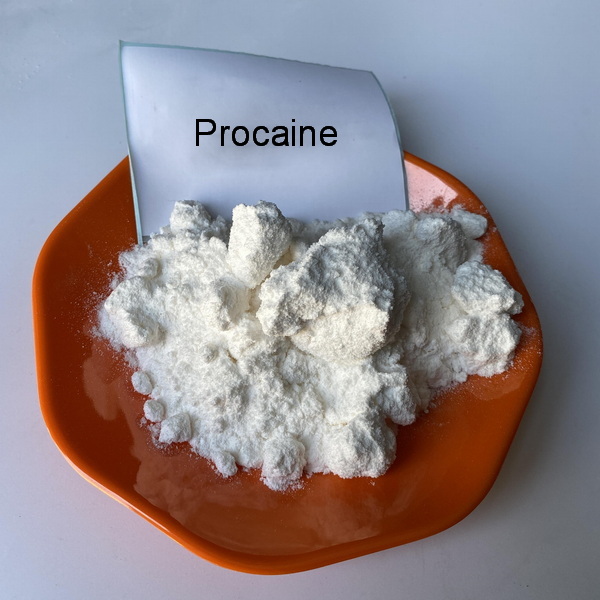
While Penicillin G Procaine is generally safe when administered correctly, some patients may experience:
- Allergic reactions ranging from mild rash to anaphylaxis
- Injection site pain or inflammation
- Neurological effects like dizziness if injected improperly near nerves
- Occasional gastrointestinal upset
Proper screening for penicillin allergies and technique adherence minimize adverse events.
As a Chinese factory specializing in biotechnology, pharmaceuticals, and medical devices, providing OEM services for Penicillin G Procaine injection requires strict adherence to quality and regulatory standards:
- Purity and Quality Control: Ensuring the penicillin G procaine product meets pharmacopeia specifications, including potency, free from contaminants, and sterility.
- Regulatory Compliance: Aligning manufacturing processes with FDA, EMA, WHO, and CFDA (NMPA) guidelines.
- Customized Packaging: Providing varied packaging sizes and labeling to meet client needs.
- Supply Chain Reliability: Maintaining a consistent production schedule to uphold timely delivery for overseas brands, wholesalers, and producers.
- R&D Capability: Supporting innovations and formulation improvements tailored to client requirements.
This attention to excellence fosters reliable partnerships that benefit from China's advanced manufacturing infrastructure and cost efficiencies.
- Provides sustained drug levels for effective bactericidal activity.
- Reduces dosing frequency compared to shorter-acting penicillins.
- Decreases injection pain through procaine anesthetic action.
- Effective for treating both mild and serious bacterial infections.
- Suitable for use in outpatient and inpatient settings.
Penicillin G Procaine has proven itself as a valuable antibiotic combination for treating bacterial infections through its intramuscular route, providing effective and sustained antibacterial action with reduced pain on injection. However, it is not suitable nor effective for oral administration due to degradation in the acidic stomach environment and lack of systemic absorption.
Patients requiring oral antibiotics should rely on other penicillin derivatives like penicillin V or amoxicillin, which are specifically formulated for oral bioavailability. For manufacturers and overseas brand owners, sourcing high-quality Penicillin G Procaine injectable products through professional OEM services from reputable Chinese factories offers reliable access to this essential medication.
We invite you to contact us for further information on our OEM capabilities in antibiotics production, ensuring your global supply chain is supported by cutting-edge biotechnology, meticulous quality assurance, and customer-focused solutions.
No. Penicillin G Procaine is unstable in stomach acid and is poorly absorbed when taken by mouth, making oral administration ineffective.
It is administered by deep intramuscular injection to allow slow absorption and sustained antibiotic blood levels.
It is used for treating streptococcal infections, syphilis, pneumococcal pneumonia, and other susceptible bacterial infections.
Yes. Penicillin V, amoxicillin, and other oral penicillins are effective alternatives for oral antibiotic therapy.
The injections provide prolonged, steady penicillin levels with reduced dosing frequency and less pain due to procaine's anesthetic effect.
[1] https://www.medicinenet.com/penicillin_g_procaine/article.htm
[2] https://www.chemicalbook.com/ProdSupplierGWCB0731029.htm
[3] https://www.drugs.com/dosage/penicillin-g-procaine.html
[4] https://www.tradeindia.com/cn/penicillin-g-procaine.html
[5] https://www.sciencedirect.com/science/article/pii/S0022202X15505678/pdf?md5=8456a3740b467f51b197a73fa182e21c&pid=1-s2.0-S0022202X15505678-main.pdf
[6] https://www.made-in-china.com/manufacturers/penicillin-g-procaine-sodium.html
[7] https://pubmed.ncbi.nlm.nih.gov/14851695/
[8] https://www.made-in-china.com/products-search/hot-china-products/Penicillin_G_Procaine_Factory.html
[9] https://www.sciencedirect.com/science/article/pii/S0022202X15503606
[10] https://www.made-in-china.com/products-search/hot-china-products/Penicillin_G_Procaine.html
Hot tags: Penicillin G Procaine Oral Use, Oral Administration Penicillin, Penicillin G Stability, Injectable Antibiotics, Penicillin G Dosage Forms, Antibiotic Administration Routes, Penicillin G Effectiveness, Oral vs Injectable Antibiotics, Penicillin G Side Effects, Antibiotic Treatment Guidelines