Content Menu
● Understanding Benzocaine Powder
>> How Does Benzocaine Powder Work?
● Main Applications of Benzocaine Powder
>> 2. Topical Skin Pain Relief
>> 4. Hemorrhoid and Anorectal Relief
>> 5. Sexual Wellness Applications
● Benzocaine Powder Forms and Dosage
● Why Do Brands and Manufacturers Choose Benzocaine?
● Safety and Guidelines for Benzocaine Use
● Industrial and OEM Opportunities
● FAQ
>> Q1. What conditions can benzocaine powder treat?
>> Q2. Is benzocaine safe for daily use?
>> Q3. Can benzocaine powder be used in homemade formulations?
>> Q4. Are there side effects or allergic reactions to benzocaine?
>> Q5. How can brands order bulk benzocaine powder for OEM production?
Benzocaine powder is a widely utilized local anesthetic, prized for its effective and fast-acting pain relief properties. Whether in medical, dental, cosmetic, or personal care applications, benzocaine is a go-to ingredient for both professional healthcare providers and manufacturers seeking to add value to their product lines. In this comprehensive article, we will explore benzocaine powder's uses, mechanism of action, application forms, safety, and how its versatility makes it indispensable for a wide array of industries and consumers.
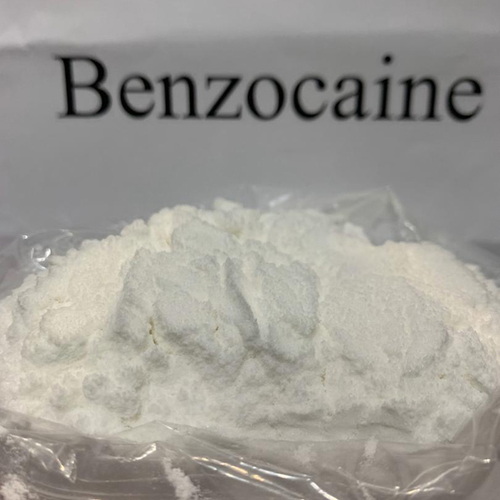
Benzocaine is an ester-type local anesthetic, scientifically known as ethyl p-aminobenzoate. As a white, odorless powder, it is partially soluble in water and widely incorporated into creams, gels, sprays, lozenges, and other formats to relieve pain, itching, and irritation. Its effectiveness and rapid onset make it suitable for over-the-counter medications and professional healthcare products.
Benzocaine is prized for its ability to provide quick topical numbness, enabling relief from a range of minor pains without the need for systemic drug administration. Its anesthetic properties were first discovered in the late 19th century, and the compound quickly became popular in medical and dental care due to its safety profile and ease of use.
Benzocaine works by blocking nerve signals responsible for transmitting pain and sensation. It stabilizes the neuronal membrane, reducing its permeability to sodium ions—effectively halting the initiation and conduction of nerve impulses responsible for sensation at the application site. This numbing effect is temporary, making benzocaine ideal for providing short-term symptom relief.
Upon topical application, benzocaine penetrates the skin or mucous membranes and inhibits the voltage-gated sodium channels on nerve cells. By preventing these channels from opening, the sensory neurons cannot propagate pain signals to the brain, resulting in a numbing sensation at the target area.
Because benzocaine acts locally and has minimal systemic absorption when used correctly, it is generally safe for topical application but should be applied cautiously on mucosal surfaces or broken skin to avoid adverse effects.
Benzocaine is most commonly applied in oral and dental care products. This includes treatment for:
- Toothaches caused by dental decay or gum disease.
- Sore throats caused by viral or bacterial infections.
- Canker sores and mouth ulcers, which cause painful eating and speaking.
- Gum irritation from braces, dentures, or minor dental procedures.
Benzocaine is often found in lozenges, gels, sprays, and ointments specifically designed for application inside the mouth or throat to minimize discomfort immediately and provide soothing relief.
In dental settings, it is frequently used before procedures such as injections or scaling to numb the mucous membrane, making treatments more comfortable for patients. Its rapid onset (typically within 30 seconds to 2 minutes) and short duration of action (around 15 minutes) make it ideal for temporary symptom relief.
Benzocaine powder is widely used in creams, sprays, and gels for relieving discomfort related to skin issues such as:
- Minor burns and sunburn.
- Scrapes, cuts, or abrasions.
- Insect bites and bee stings.
- Rashes and minor dermatological irritations.
Because benzocaine numbs localized areas, it is often a staple ingredient in first-aid products and household pain relief kits. Its ability to quickly dull pain and itching makes it especially popular in summer personal care products and travel first aid.
Topical formulations may also combine benzocaine with soothing agents such as aloe vera or hydrocortisone for additional anti-inflammatory effects.
Benzocaine is frequently utilized in ear drops or sprays for relieving earaches or discomfort caused by wax buildup. Its numbing properties help alleviate pain during ear irrigation or minor examinations.
Similarly, some nasal sprays or drops incorporate benzocaine to numb the nasal passages during minor diagnostic or therapeutic procedures. This use is important in otolaryngology (ENT) to reduce patient discomfort quickly and safely during exams.
In the field of anorectal care, benzocaine plays a vital role in soothing irritation and pain arising from:
- Hemorrhoids.
- Minor anal fissures.
- Post-procedure discomfort following rectal surgery or examinations.
Ointments and creams with benzocaine help numb the affected area, promoting patient comfort and enabling quicker recovery. These formulations are usually combined with anti-inflammatory or moisturizing agents to enhance healing.
Interestingly, benzocaine is also used in sexual health and wellness products. Creams or sprays containing benzocaine are designed to temporarily desensitize the penile skin to delay ejaculation and improve endurance. Such products help men manage premature ejaculation and support sexual satisfaction for both partners.
Some condoms are manufactured with benzocaine as a mild desensitizing agent integrated into the inner surface, offering a discreet method to enhance sexual experience without compromising safety.
Benzocaine's versatility allows it to be formulated into numerous product types, each suited to specific therapeutic needs. Common forms include:
- Gels and jellies: Easily spreadable and designed for mucosal and skin application in oral or topical use.
- Creams: Typically used for skin conditions such as burns or insect bites due to their moisturizing properties.
- Sprays: Provide rapid, even distribution on larger or difficult-to-access areas.
- Lozenges and troches: Designed for sustained release in the mouth or throat, targeting sore throat relief.
- Ointments: Often thicker formulations for anorectal or skin conditions requiring longer contact and protection.
- Solutions: Used in ear drops or irrigation fluids for ear pain and wax removal.
The concentration of benzocaine in these products typically ranges from 5% up to 20%, depending on the intended use and regulatory constraints. It is essential to follow dosage instructions carefully to avoid adverse effects.
Brands and manufacturers rely on benzocaine powder for several key reasons:
- Fast-acting and reliable numbing effect: Its rapid onset of action suits both consumer and professional needs.
- Broad acceptance in over-the-counter and prescription products: Benzocaine is approved in many countries with clear regulatory guidelines.
- Safety for short-term use: When applied appropriately, it has minimal side effects.
- Flexibility in formulation: Can be incorporated into gels, sprays, creams, lozenges, and more to suit diverse product lines.
- Long shelf life and stable properties: Makes it economically viable for large-scale production and bulk storage.
- OE manufacturing compatibility: Suitable for OEM production, allowing custom formulations and private labeling.
For international brands, sourcing high-quality benzocaine powder from experienced manufacturers enables reliable product development, consistent quality, and competitive pricing.
While benzocaine is considered safe when used as directed, there are important precautions to observe:
- External use only: Benzocaine should not be applied to deep wounds, large areas of broken skin, or used orally beyond recommended doses.
- Not recommended for infants under two years: There is a risk of methemoglobinemia, a rare but serious blood disorder where oxygen delivery is impaired.
- Limit duration and amount of use: Overuse increases the risk of side effects such as localized irritation, allergic reactions, or systemic absorption concerns.
- Discontinue if adverse symptoms develop: Dizziness, difficulty breathing, cyanosis (bluish skin), or severe allergic responses require immediate medical attention.
Consumers are strongly advised to read product labels carefully and consult healthcare professionals if unsure about the suitability of benzocaine-containing products for their condition, especially in children, pregnant women, or individuals with chronic illnesses.
China has emerged as a leading producer of pharmaceutical-grade benzocaine powder, exporting worldwide to brand owners, wholesalers, and original equipment manufacturers (OEMs). Key advantages include:
- High manufacturing standards: Adherence to Good Manufacturing Practices (GMP) and stringent quality controls.
- Competitive pricing: Lower production and labor costs allow for cost-effective sourcing.
- Customization capabilities: Tailored blends or formulations can be developed for unique product requirements.
- Reliable export logistics: Experienced in global compliance and shipping to various regulated markets.
International companies partnering with Chinese factories benefit from scalable supply chains, consistent product purity, and ongoing technical support to innovate and optimize their product portfolios.
Benzocaine powder remains a cornerstone ingredient in countless medical, dental, and personal care products due to its unmatched ability to provide prompt, localized pain relief. From oral discomfort to skin irritations, ear and nose procedures, anorectal care, and sexual health applications, benzocaine's versatility makes it indispensable across industries.
For international brands and manufacturers, sourcing benzocaine powder from experienced, quality-focused Chinese suppliers unlocks access to premium raw materials and customizable solutions that meet evolving market needs.
Ready to elevate your product offerings with reliable, high-quality benzocaine powder? Contact us today for expert OEM solutions tailored to your specifications and business goals!
Benzocaine powder addresses oral pain (toothache, sore throat, mouth ulcers), skin irritation (sunburn, minor burns, insect bites), and is used in ear drops, hemorrhoid creams, and products designed for premature ejaculation management.
When used as directed and within recommended amounts, benzocaine is generally safe for short-term pain relief. Prolonged or excessive use can increase the risk of side effects, especially in infants or sensitive individuals.
Benzocaine powder can be supplied for custom product formulation by qualified manufacturers. However, professional guidance and precise measurement are essential to ensure safety and efficacy—home mixing without expertise is not recommended.
Minor side effects may include localized redness or stinging. Serious allergic reactions and methemoglobinemia (a rare blood disorder) are uncommon but can occur, especially in young children. Discontinue use and seek medical attention if concerning symptoms develop.
Brands and wholesalers can partner with specialized suppliers to place bulk orders with options for custom blends, formulation support, and compliance documentation. Contacting experienced manufacturers ensures product quality and regulatory compliance tailored to your target markets.
Hot tags: Benzocaine Powder Uses, What Is Benzocaine Powder For, Benzocaine For Tooth Pain Relief, Benzocaine Powder Medical Applications, Benzocaine Topical Anesthetic Powder, Benzocaine Powder For Skin Numbing, Benzocaine Powder For Mouth Ulcers, How To Use Benzocaine Powder, Benzocaine In Dental Procedures, Benzocaine Powder For Pain Relief