Content Menu
● How Lidocaine Powder Works: Mechanism of Action
● Key Applications of Lidocaine Powder
>> Local Anesthesia in Medical Procedures
>> Nerve Blocks and Regional Anesthesia
● How Is Lidocaine Powder Prepared and Administered?
>> Preparation for Medical Use
>> Application in Medical Devices
● Major Medical and Commercial Benefits
>> Side Effects and Precautions
>> Toxicity
>> Regulatory Compliance and Product Sourcing
● Advanced Research and New Frontiers
● FAQ
>> 1. What are the main uses of lidocaine powder?
>> 2. How is lidocaine powder converted into a medication?
>> 3. What are common side effects or risks associated with lidocaine powder?
>> 4. What should buyers look for when sourcing lidocaine powder?
>> 5. Can lidocaine powder be used in veterinary medicine?
Lidocaine powder, a highly versatile pharmaceutical substance, plays a crucial role in modern medicine and the healthcare industry. Used globally in clinical, dental, veterinary, and emergency settings, lidocaine powder is recognized for its exceptional efficacy as both a local anesthetic and an antiarrhythmic agent. In this comprehensive guide, we will explore the diverse applications, mechanisms, benefits, safety considerations, and procurement insights of lidocaine powder, with a particular focus on how it powers medical procedures, relieves pain, and supports health professionals and manufacturers worldwide.
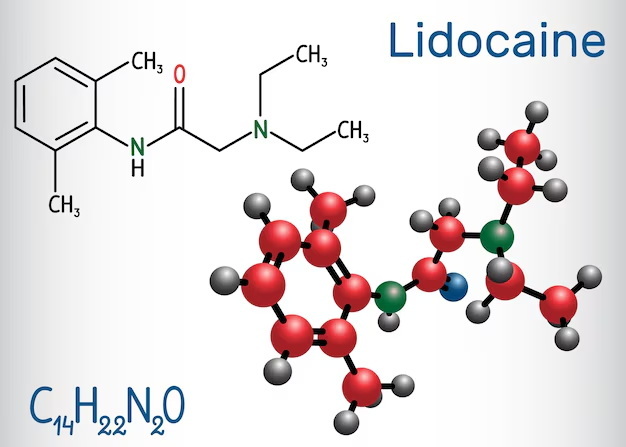
Lidocaine (also known by its brand name Xylocaine) is a chemical compound typically presented as a white, crystalline powder. It belongs to the amino amide group of local anesthetics and is celebrated for its rapid onset and intermediate duration of action. Lidocaine blocks sodium channels on nerve membranes, thereby inhibiting pain signals—a property leveraged in myriad medical contexts.
Lidocaine's primary mechanism involves the blockade of voltage-gated sodium channels within nerve fibers. This action prevents the propagation of nerve impulses, producing a numbing effect in targeted tissues. When used in cardiac care, the same sodium channel blockade stabilizes the heart muscle, helping regulate abnormal heart rhythms.
Lidocaine powder's adaptability is reflected in its broad clinical utility. Below, we detail its most prominent uses across healthcare settings.
Lidocaine powder is commonly reconstituted and injected to numb specific body areas before minor surgical procedures, dental operations, or diagnostic tests. It is also formulated for topical application and spread on skin or mucous membranes to provide fast, localized pain relief during procedures such as endoscopies, intubations, or minor dermatological surgeries. Additionally, lidocaine is used as a surface anesthetic, often applied as a spray, gel, patch, or ointment to numb surfaces ahead of superficial interventions like venipuncture or wound treatment.
Lidocaine powder is essential for nerve block injections, effectively numbing larger regions for surgeries on limbs, joints, or dental work. Its rapid action allows it to be a first-line choice for infiltration, regional, and even epidural or spinal anesthesia, especially when speed is critical. These features make lidocaine invaluable in outpatient procedures and surgical settings where quick onset and reliable anesthesia are needed.
Beyond anesthesia, lidocaine powder plays a significant role in pain management. For example, lidocaine transdermal patches have received FDA approval for treating postherpetic neuralgia—the lingering nerve pain following shingles. They are also used off-label to manage other neuropathic pain conditions. In cases of arthritis, minor injuries, burns, and insect bites, lidocaine provides soothing relief by numbing painful areas and reducing inflammation.
As a class Ib antiarrhythmic, lidocaine offers emergency treatment for ventricular tachycardia and fibrillation. It is commonly administered intravenously in critical or perioperative cardiac care settings to stabilize abnormal heartbeats. This use is life-saving during heart surgery or acute cardiac events, where rapid regulation of heartbeat can prevent fatal complications.
Dentists value lidocaine powder for its reliability and quick onset, making it ideal for nerve blocks, infiltration anesthesia, minor dental surgeries, root canals, and oral pain management. Its effectiveness ensures patient comfort during a wide range of dental procedures, improving overall treatment experience.
Lidocaine is used similarly in animals, for local numbing during procedures, as well as an antiarrhythmic agent for cardiac issues. Veterinary medicine benefits from lidocaine's rapid action and safety profile, helping to manage pain and emergencies in domestic and farm animals alike.
Lidocaine powder must be accurately weighed and dissolved in sterile saline or other solvents to create specific concentrations, depending on its application (e.g., 1%, 2%, or 2.5% solutions for injection). Stringent sterile protocols, correct dosing, and proper handling are essential to ensure patient safety and the powder's effectiveness. Healthcare professionals follow precise guidelines to prepare lidocaine solutions, guaranteeing consistent potency and minimizing contamination.
For topical use, lidocaine powder is mixed with gels, creams, or incorporated into medicated patches that allow for controlled release through the skin. These formulations provide localized pain relief without systemic side effects, making them ideal for both acute injuries and chronic pain conditions.
Lidocaine powder has found innovative use in medical devices such as self-actuating dermal patches and rapid application gadgets designed for venipuncture and intravenous cannulation procedures. These devices minimize discomfort by delivering lidocaine directly and efficiently at the injection site, improving patient tolerance during minor but painful medical interventions.

Lidocaine powder offers numerous advantages that make it a staple in medical and pharmaceutical use:
- Rapid Onset, Intermediate Duration: The quick effect of lidocaine allows for faster patient throughput in clinics and dental offices, reducing waiting times and enhancing workflow.
- Wide Safety Margin: When administered correctly by trained medical personnel, lidocaine provides low toxicity, minimal discomfort, and good compatibility with other medications, enhancing patient safety.
- Cost-Effectiveness: Bulk purchase and easy formulation make lidocaine economical for hospitals, emergency rooms, and device manufacturers. Its stable powder form allows for extended shelf life and simplified logistics.
- Regulatory Approval: Lidocaine powder is listed on the World Health Organization's List of Essential Medicines, reaffirming its indispensable role in modern healthcare.
- Versatile Dosage Forms: From creams and gels to injectables, patches, and even lozenges, lidocaine adapts to virtually any clinical scenario, providing flexibility in treatment modalities.
While lidocaine is generally safe when used appropriately, excessive systemic absorption may cause side effects such as dizziness, confusion, hypotension, or arrhythmias. Allergic reactions are rare but possible. During pregnancy, lidocaine should be used under medical supervision, with doses adjusted accordingly. Special caution is advised in patients with liver dysfunction, as lidocaine is metabolized hepatically.
Overdose risks include central nervous system manifestations such as tremors, agitation, seizures, and respiratory depression. Cardiovascular toxicity may manifest as hypotension, bradycardia, or arrhythmias. Therefore, monitoring dosage and patient response during administration is critical. Emergency protocols exist to manage toxicity, including the administration of lipid emulsions to reverse systemic toxicity.
For international OEM buyers and healthcare providers, sourcing lidocaine powder from reputable manufacturers who comply with current Good Manufacturing Practices (cGMP) is essential. The powder must be thoroughly tested for purity, stability, and absence of contaminants, and suppliers must provide comprehensive documentation and regulatory certifications. Such measures ensure safety, quality, and legal compliance in all markets.
- Hospitals and Clinics: For routine anesthesia in procedures, surgeries, and emergency rooms.
- Dentists: For local anesthetic applications in various dental treatments.
- Veterinarians: For animal care, including anesthesia and cardiac treatments.
- Pharmaceutical Manufacturers: As an active pharmaceutical ingredient (API) in topical and injectable products.
- Medical Device Companies: Incorporating lidocaine in pain-relieving devices and patches.
- Wholesale and Brand Partners: Supplying customized or branded medical solutions globally.
Ongoing research expands lidocaine's applications beyond traditional uses. Innovative drug delivery systems are under development to optimize lidocaine release rates and target specific tissues, enhancing therapeutic outcomes while minimizing side effects. Research into lidocaine's potential in cancer pain management, neuropathic conditions, and minimally invasive surgery continues to unfold new possibilities. Additionally, integration of lidocaine in personalized medicine aims to tailor treatments based on patient-specific factors, improving efficacy.
Emerging technologies like nanocarriers, liposomal formulations, and bioresponsive hydrogels are being explored to enhance lidocaine's delivery and durability in various clinical contexts. These advances represent the future of lidocaine use in pain management and beyond, reinforcing its status as a cornerstone anesthetic agent.
Lidocaine powder stands at the intersection of reliability, safety, and versatility in modern medicine. Whether easing pain during minor surgery, ensuring patient comfort in dental clinics, stabilizing cardiac rhythms in emergencies, or supporting innovative pharmaceutical solutions, lidocaine remains essential for health professionals worldwide.
Ready to elevate your product line or medical practice with high-purity lidocaine powder? Consult with us today for OEM partnerships, bulk orders, or custom pharmaceutical solutions. Our experienced team and robust manufacturing capabilities ensure you receive lidocaine powder you can trust—on time, every time.
Lidocaine powder is primarily used as a local anesthetic for surgical procedures, pain management (especially neuralgia, burns, minor injuries), and as an antiarrhythmic medication for treating abnormal heart rhythms.
It is dissolved in a sterile solvent (usually saline) to the needed concentration, then administered as an injection, topical gel, or patch, or formulated into commercial pharmaceutical products.
Most common are mild, local reactions such as redness, irritation, or numbness. Excessive amounts or improper use can cause central nervous system or cardiovascular complications including dizziness, seizures, or arrhythmias.
OEM and wholesale buyers should ensure the powder is sourced from licensed, certified manufacturers who comply with high purity standards, provide regulatory compliance documentation, and ensure reliable supply chains.
Yes—veterinarians use lidocaine powder for local anesthesia and to treat cardiac conditions in animals, mirroring human medical applications.
Hot tags: Uses Of Lidocaine Powder, Lidocaine Powder For Numbing, Lidocaine Powder For Pain Relief, Medical Uses Lidocaine Base, Topical Anesthetic Powder Purpose, Tattoo Lidocaine Powder Use, Lidocaine Powder For Skin Procedures, What Doctors Use Lidocaine For, OTC Use Of Lidocaine Powder, Lidocaine Powder In Dermatology