Content Menu
● Understanding Lidocaine Hydrochloride (Lidocaine HCL)
● About Epinephrine: The Hormone and Vasoconstrictor
● Why Combine Lidocaine HCL and Epinephrine?
● Medical Applications and Uses
● Safety Considerations and Side Effects
● OEM Manufacturing for Lidocaine HCL and Epinephrine
● Frequently Asked Questions (FAQ)
>> 1. What are the main uses of Lidocaine HCL with Epinephrine?
>> 2. How does epinephrine enhance lidocaine's effects?
>> 3. Are there any risks or side effects?
>> 4. How is this drug combination administered?
>> 5. Why is reliable OEM manufacturing important?
Lidocaine Hydrochloride (HCL) and Epinephrine are essential drugs widely used in medical, dental, and surgical practices. Individually, they serve important roles—lidocaine as a local anesthetic and epinephrine as a hormone and vasoconstrictor. When combined, they offer enhanced benefits for pain management, particularly for local anesthesia during procedures. This article explores the uses, properties, mechanisms, administration, safety considerations, and the importance of reliable OEM manufacturing for these drugs in the biotechnology, pharmaceutical, and medical device industries.
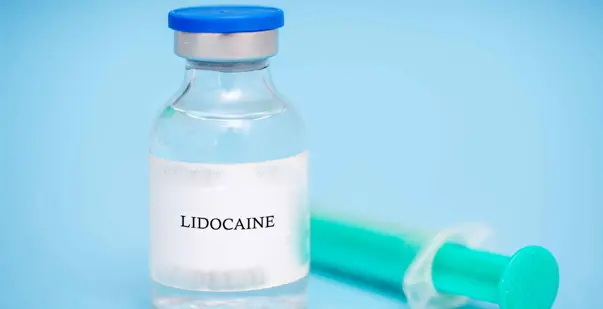
Lidocaine HCL is a synthetic amide-type local anesthetic that works by blocking sodium ion channels in nerve cells. This action prevents nerves from sending pain signals to the brain, effectively numbing the targeted area. Its rapid onset and intermediate duration of effect make it a common choice for local and regional anesthesia.
Primarily used in injectable forms, lidocaine also comes as topical creams, patches, gels, and sprays. Its effectiveness for surgeries, dental procedures, and diagnostic tests has made it a standard anesthetic worldwide. Beyond anesthesia, lidocaine also serves as an antiarrhythmic agent to treat ventricular tachycardia and to prevent cardiac arrest during surgery.
Epinephrine, commonly known as adrenaline, is naturally produced by the adrenal glands. Medically, it is used to treat severe allergic reactions (anaphylaxis), cardiac arrest, and asthma attacks. Its role as a vasoconstrictor means it narrows blood vessels, reducing blood flow and bleeding in targeted areas.
When combined with lidocaine, epinephrine slows systemic absorption of the anesthetic, prolongs numbness, and reduces bleeding during surgical or dental procedures.
The combination of Lidocaine HCL and Epinephrine is common in clinical practice because it provides two main advantages:
1. Prolonged Anesthetic Effect: Epinephrine's vasoconstrictive properties keep lidocaine localized, extending its numbing effect.
2. Reduced Bleeding: By constricting blood vessels, epinephrine minimizes bleeding in surgical areas, providing a clearer field for surgeons or dentists.
This combination is commonly formulated as 1% lidocaine with 1:100,000 epinephrine and administered via injections for local or regional anesthesia.
Lidocaine HCL with Epinephrine has broad medical applications:
- Minor Surgical Procedures: Such as excision of skin lesions, biopsies, and wound suturing.
- Dental Procedures: Tooth extractions, fillings, root canals.
- Dermatological Treatments: Mole removals, cosmetic and laser procedures.
- Peripheral Nerve Blocks: To anesthetize specific nerve areas for pain control.
- Obstetrical Procedures: For regional anesthesia during labor and delivery.
- Emergency Medicine: Epinephrine's role in managing anaphylaxis complements the anesthetic effects.
The administration depends on the procedure, patient health, and site of injection. It may be administered via:
- Infiltration anesthesia (local injection around the area)
- Peripheral nerve blocks (injection near nerves)
- Central neural blocks (epidural, caudal injections)
Dosages vary but often use 1% lidocaine with epinephrine concentrations of 1:100,000 or 1:200,000. Special care is taken with elderly, pediatric, and cardiac patients to adjust dosages accordingly. The smallest effective dose is always recommended.
While considered safe under professional administration, both Lidocaine and Epinephrine have precautions:
- Contraindications: Allergy to amide-type anesthetics or epinephrine, severe cardiac disease.
- Potential Side Effects: Numbness, dizziness, nervousness, increased heart rate, hypertension, and rare allergic reactions.
- Serious Adverse Effects: Seizures, irregular heartbeat, difficulty breathing—requiring immediate medical attention.
Proper dosing and monitoring minimize these risks. Patients with heart conditions or high blood pressure must be assessed carefully before use.
For international brands, wholesalers, and manufacturers seeking reliable suppliers, professional OEM services are critical. A trusted OEM factory can ensure:
- Compliance with GMP and ISO global quality standards.
- Accurate formulation and concentration control.
- Custom packaging, labeling, and supply chain management.
- Strict quality assurance and testing.
- Continuous innovation and R&D capabilities.
Factories like supplybenzocaine.co.uk specialize in these services to support global pharmaceutical markets with quality Lidocaine HCL and Epinephrine products.
Lidocaine HCL combined with Epinephrine is a cornerstone in modern medical anesthesia, offering prolonged pain relief and minimized bleeding for a variety of minor surgical, dental, and dermatological procedures. The combination's efficacy and safety when used correctly make it indispensable in clinical settings. For international buyers and brands, partnering with experienced OEM manufacturers ensures delivery of trusted, top-quality anesthetic products to meet the demands of diverse healthcare markets.
Contact supplybenzocaine.co.uk today to explore tailored OEM solutions for Lidocaine HCL and Epinephrine products ensuring superior quality and consistent supply to meet your global business needs.
They are primarily used for local anesthesia in minor surgeries, dental procedures, cosmetic dermatology treatments, and regional nerve blocks.
Epinephrine constricts blood vessels, reducing bleeding and prolonging the duration of lidocaine's numbing action.
Common side effects include numbness, dizziness, and nervousness, while serious side effects are rare but include irregular heartbeat and allergic reactions.
Primarily through injection routes: local infiltration, peripheral nerve blocks, and epidural administration depending on the procedure.
OEM manufacturing ensures compliance with international quality standards and consistent, high-quality production for market competitiveness and patient safety.
[1](https://www.olympiapharmacy.com/product/lidocaine-with-epinephrine/)
[2](https://www.pfizermedical.com/lidocaine-hydrochloride)
[3](https://www.drugs.com/pro/lidocaine-and-epinephrine-injection.html)
[4](https://pdf.hres.ca/dpd_pm/00065511.PDF)
[5](https://en.wikipedia.org/wiki/Lidocaine)
[6](https://www.ncbi.nlm.nih.gov/books/NBK539881/)
[7](https://www.mayoclinic.org/drugs-supplements/lidocaine-and-epinephrine-injection-route/description/drg-20452177)
[8](https://my.clevelandclinic.org/health/drugs/23678-lidocaine-epinephrine-injection)
[9](https://www.sciencedirect.com/topics/nursing-and-health-professions/adrenalin-plus-lidocaine)
[10](https://go.drugbank.com/drugs/DB00281)
Hot tags: Lidocaine HCL Epinephrine Uses, Local Anesthesia Injection, Pain Management in Surgery, Dental Anesthetic, Epinephrine Benefits, Surgical Pain Relief, Anesthesia Techniques, Lidocaine Injection Uses, Nerve Block Procedures, Hemostasis in Surgery.