Content Menu
● What is Penicillin G Procaine?
● Why Use Penicillin G Procaine in Kittens?
● Determining the Correct Dosage for Kittens
● Monitoring and Duration of Treatment
● Alternatives to Penicillin G Procaine
● Case Studies and Clinical Experience
● Combining Penicillin G Procaine with Other Treatments
>> Signs of Effective Treatment
● Frequently Asked Questions (FAQ)
>> 1. How often should Penicillin G Procaine be given to a kitten?
>> 2. Can Penicillin G Procaine be given orally to kittens?
>> 3. What are common side effects of Penicillin G Procaine in kittens?
>> 4. How should Penicillin G Procaine be stored?
>> 5. What if my kitten doesn't improve within 48 hours of treatment?
Penicillin G Procaine is a commonly used antibiotic in veterinary medicine for treating bacterial infections in animals, including kittens. It combines penicillin G, a bactericidal agent that disrupts bacterial cell wall synthesis, with procaine, an anesthetic that slows absorption and prolongs drug action. Correct dosing and administration techniques are critical to achieving effective treatment while minimizing risks of side effects.
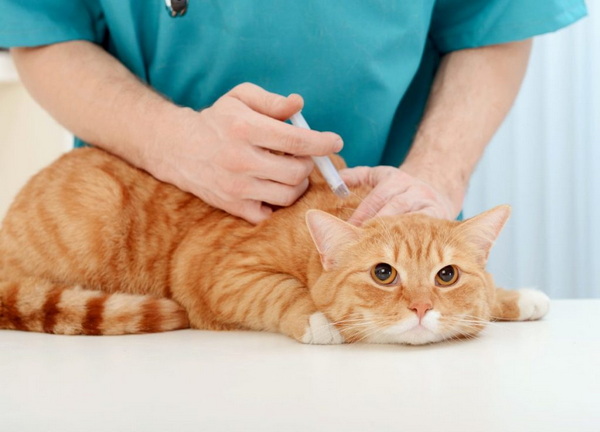
Penicillin G Procaine is an injectable antibiotic formulation indicated for treating infections caused by bacteria susceptible to penicillin. The addition of procaine extends the duration of effect compared to plain penicillin G by slowing its absorption from the injection site. This long-acting feature makes it suitable for certain veterinary applications, reducing the frequency of injections especially in sensitive or young animals such as kittens.
Kittens have developing immune systems making them vulnerable to bacterial infections such as respiratory diseases, wounds, abscesses, and other soft tissue infections. Penicillin G Procaine offers an effective option to combat such infections caused by penicillin-sensitive bacteria. Due to its long-acting nature, the treatment schedule is less demanding, reducing stress and discomfort from frequent injections.
The dosage of Penicillin G Procaine for kittens depends primarily on the kitten's weight and the infection's severity. Veterinary dosage guidelines typically recommend:
- Dose range: 15,000 to 30,000 International Units (IU) per kilogram (kg) of body weight.
- Administration frequency: Once every 12 to 24 hours, according to the veterinarian's prescription.
- Route: Intramuscular injection (IM) is the preferred method.
Usually, the injectable solution contains about 300,000 IU of Penicillin G Procaine per milliliter (mL).
For a kitten weighing 2 kg:
- Minimum dose: 15,000 IU × 2 kg = 30,000 IU
- Maximum dose: 30,000 IU × 2 kg = 60,000 IU
Because the product contains 300,000 IU per mL:
- Minimum volume to inject = 30,000 IU ÷ 300,000 IU/mL = 0.1 mL
- Maximum volume to inject = 60,000 IU ÷ 300,000 IU/mL = 0.2 mL
It is critical to measure doses carefully to avoid overdosing, which can cause adverse reactions.
Penicillin G Procaine must be administered via intramuscular injection to maximize effectiveness. For kittens, the injection site is usually the thigh or shoulder muscle. Veterinarians or trained professionals should perform injections to minimize risks like nerve damage or injection site irritation. Before injecting, the needle should be inserted into the muscle, and the plunger gently pulled back to ensure no blood vessel is punctured. If blood enters the syringe, the needle must be repositioned.
Injection volume per site should not exceed 0.2 mL for kittens to avoid excessive local swelling.
Typically, treatment continues until clinical improvement is seen plus at least one additional day, commonly lasting 2 to 4 days. Veterinarians adjust treatment duration based on infection response and severity.
Though generally safe, Penicillin G Procaine can cause allergic reactions in sensitive kittens. Watch for signs such as:
- Swelling or redness at injection sites
- Vomiting or diarrhea
- Lethargy or difficulty breathing
In case of adverse reactions, emergency veterinary care is necessary. Avoid use in kittens with known hypersensitivity to penicillin or procaine.
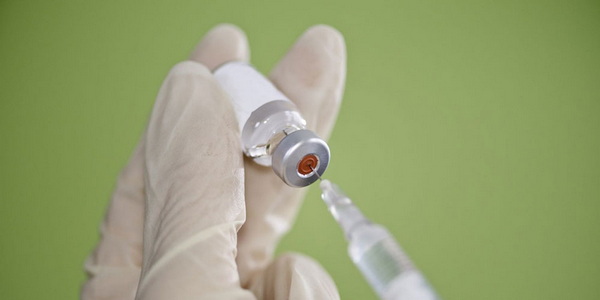
Store penicillin injections in a cool (2°C to 25°C), dry place away from direct sunlight. Always adhere to expiration dates and veterinary storage guidance.
Penicillin G Procaine is effective against:
- Upper respiratory tract infections
- Skin abscesses and wound infections
- Soft tissue infections
- Some urinary tract infections
When allergies or specific bacterial resistance prevent use, other antibiotics prescribed by veterinarians include:
- Amoxicillin
- Cephalexin
- Doxycycline
These alternatives have different dosing regimes and administration routes.
Veterinary reports consistently highlight fast recovery in kittens treated with Penicillin G Procaine when proper doses and schedules are followed. Compliance with vet instructions ensures high success rates in infection management.
Sometimes combination therapies with anti-inflammatories or supportive care such as fluids may be necessary depending on the kitten's condition to promote optimal recovery. Always consult a veterinarian before combining medications.
Within 24 to 48 hours of starting treatment, kittens typically show:
- Reduced fever
- Decreased swelling and inflammation
- Improved appetite and activity
If no improvement occurs, veterinary reassessment is necessary to rule out resistant infections or incorrect diagnosis.
Administering the correct dose of Penicillin G Procaine to kittens is vital for treating bacterial infections safely and effectively. The recommended dose ranges from 15,000 to 30,000 IU per kg of body weight, injected intramuscularly every 12 to 24 hours. Proper injection technique, adherence to dosage, monitoring for adverse reactions, and veterinary guidance ensure positive outcomes. For high-quality Penicillin G Procaine and OEM services in veterinary pharmaceuticals, contact us for reliable products and expert support customized for your brand needs.
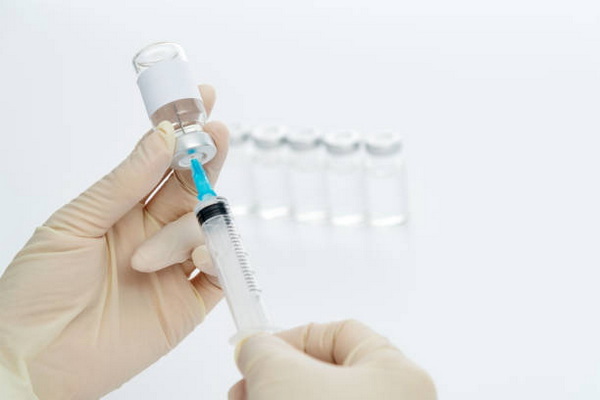
Penicillin G Procaine is typically administered once every 12 to 24 hours based on infection severity and veterinarian prescription.
No, Penicillin G Procaine is formulated for intramuscular injection. Oral penicillin products are different and require separate dosing.
Side effects may include injection site swelling, allergic reactions like vomiting, diarrhea, lethargy, or breathing difficulties.
Store in a cool, dry place between 2°C and 25°C, protected from light, and use before the expiration date.
If no improvement occurs, consult your veterinarian promptly for diagnostic reassessment and possible treatment adjustment.
[1](https://www.msdvetmanual.com/multimedia/table/dosages-of-penicillins)
[2](https://www.msd-animal-health.co.nz/products/duplocillin-la/)
[3](https://www.mda.state.mn.us/sites/default/files/inline-files/Injectable-Penicillin-G-Procaine-2.21.pdf)
[4](https://www.drugs.com/vet/procaine-penicillin-g-can.html)
[5](https://dailymed.nlm.nih.gov/dailymed/drugInfo.cfm?setid=4049a09f-422f-4220-99ef-8dd6b846945b)
[6](https://www.norbrook.com/media/k4snuf4j/ultrapen-la-product-insert.pdf)
[7](http://www.farad.org/publications/digests/112006ExtralabelPenicillin.pdf)
[8](https://agriculture.vic.gov.au/__data/assets/pdf_file/0010/577504/AGVIC_AVPG_A5_Flipbook_PRINT_WD.pdf)
[9](https://www.ema.europa.eu/en/documents/referral/procaine-benzylpenicillin-article-82-referral-annexes-i-ii-iii_en.pdf)
Hot tags: Penicillin G Procaine Dosage Kitten, Penicillin G Procaine for Kittens, Kitten Penicillin G Procaine Dosage, Penicillin G Procaine Injection Kitten, Penicillin G Procaine Veterinary Use, Penicillin G Procaine Kitten Treatment, Penicillin G Procaine Dosage Guidelines, Penicillin G Procaine for Felines, Penicillin G Procaine Kitten Health, Penicillin G Procaine Administration Kitten