Content Menu
● Fundamental chemistry and characterization
● Clinical applications and workflow considerations
● Formulations, strengths, and packaging options
● Quality assurance and regulatory alignment
● OEM collaboration and regulatory support
● Safety, handling, and best practices
● Supply chain considerations and market dynamics
● Ethical and compliance notes
● Clinical and educational value
● Quality systems and continuous improvement
● Customer-centric service and technical support
>> OEM providers should emphasize responsive service that covers:
>> Comprehensive product lifecycle management
● Conclusion and call to action
● FAQ
>> 1. What does "PF" in Lidocaine HCL PF Soln mean?
>> 2. How is Lidocaine HCL PF Soln different from regular lidocaine?
>> 3. What are the common medical uses for Lidocaine HCL PF Soln?
>> 4. Are there any side effects when using Lidocaine HCL PF Soln?
>> 5. How should Lidocaine HCL PF Soln be stored and handled?
Lidocaine hydrochloride preservative-free solution (Lidocaine HCL Pf Soln) is a sterile, preservative-free injectable form of lidocaine hydrochloride, a widely used local anesthetic with additional applications in certain antiarrhythmic contexts. This formulation is designed for areas and procedures where sterility and the absence of preservatives are essential to patient safety and regulatory compliance. For contract manufacturers and OEMs, Lidocaine HCL Pf Soln offers a robust opportunity to provide private-labeled or co-branded solutions to international brands seeking reliable, GMP-compliant anesthetic products.
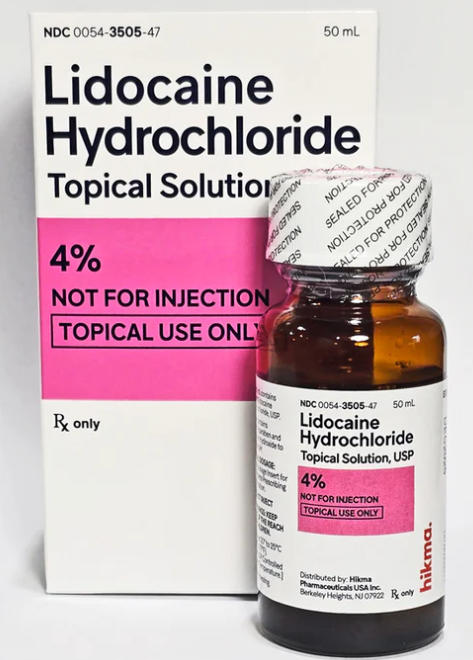
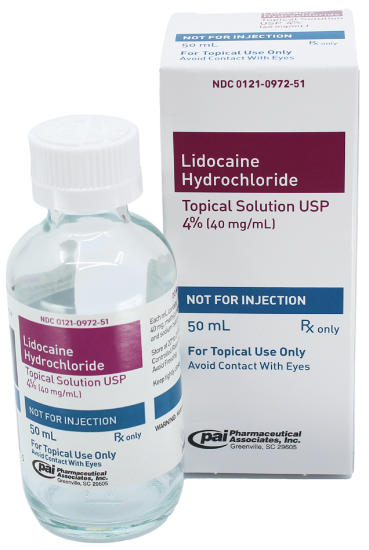
Lidocaine is a amide-type local anesthetic whose activity hinges on blocking voltage-gated sodium channels in neuronal membranes, thereby interrupting nerve impulse propagation and producing a reversible loss of sensation in the targeted region. In its hydrochloride salt form, lidocaine becomes more water-soluble, facilitating precise dosing and easier formulation for injectable and topical preparations. Key attributes relevant to OEM production include:
- Chemical identity: lidocaine hydrochloride
- Typical forms: preservative-free injectable solutions, with various concentration options to meet procedural needs
- Sterility and pyrogen testing: essential components of quality control in GMP-compliant facilities
Lidocaine HCL Pf Soln serves as a versatile local anesthetic for numerous medical contexts, including but not limited to:
- Minor surgical procedures requiring rapid onset and intermediate duration anesthesia
- Dental procedures such as infiltrations and nerve blocks
- Regional anesthesia techniques in higher-level procedures when combined with appropriate anesthesia protocols
- Adjunct roles in pain management through controlled administration in sterile settings
From an OEM perspective, the ability to supply preservative-free formulations supports regulatory acceptance across regions with stringent limits on excipients. It also aligns with hospital procurement preferences for single-dose vials or ready-to-use kits, reducing handling steps and contamination risk in clinical environments.
In a manufacturing and supply context, Lidocaine HCL Pf Soln is typically offered in multiple strengths to accommodate diverse procedural requirements. Commonly encountered concentrations include:
- 1% (10 mg/mL)
- 2% (20 mg/mL)
Variations may include single-dose vials, ampouled sterile syringes, or ready-to-use kits designed for specific procedures. For OEM customers, packaging customization often encompasses:
- Private labeling with brand-specific lot numbers and expiry dates
- Co-branding on blister packs or carton designs
- Regulatory documentation packages tailored to regional markets (EU/UK, US, Asia-Pacific)
Manufacturers supplying Lidocaine HCL Pf Soln to international brands typically operate under rigorous quality frameworks to ensure safety, potency, and traceability. Core elements include:
- GMP-compliant production environments
- Validated aseptic filling and sterilization processes
- Comprehensive in-process and finished product testing (identity, potency, impurities, sterility, endotoxins, and absence of preservatives)
- Stability studies under defined storage conditions to establish shelf life
- Documentation packages suitable for regulatory submissions in target markets (CMC, COA, MSDS, GMP certificates)
OEM partnerships for Lidocaine HCL Pf Soln often extend beyond mere manufacturing. They include:
- Private-label formulation design aligned with brand positioning and clinical use cases
- Custom labeling and carton artwork that comply with regional drug advertising and packaging regulations
- Regulatory liaison assistance for market entry, including compilation of technical dossiers, pharmacovigilance plans, and labeling translations
- Supply-chain transparency and anti-counterfeiting measures (e.g., track-and-trace, serial numbers)
Local anesthetics such as lidocaine require careful handling and dosing to minimize the risk of systemic toxicity. Best practices for medical facilities and OEM partners include:
- Correct dosing calculations based on patient age, weight, and comorbidities
- Strict adherence to aseptic technique during preparation and administration
- Monitoring for signs of lidocaine toxicity (e.g., central nervous system or cardiovascular symptoms) and readiness to manage adverse events
- Temperature and light protection during storage to preserve product integrity
- Clear instructions for use in patient information leaflets and clinical guidelines accompanying OEM products
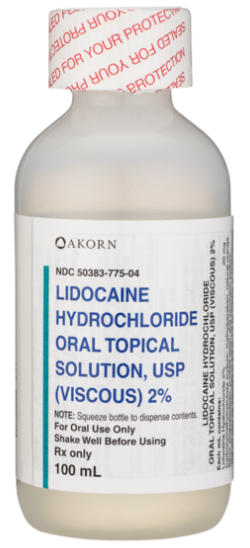
For international brands and distributors, the Lidocaine HCL Pf Soln category represents a stable demand segment driven by elective and emergency anesthesia needs. OEM manufacturers can differentiate through:
- Proven-track record in sterile fill-finish operations
- Flexible lot sizes and short lead times for urgent procurement
- Robust pharmacovigilance and post-market support
- Comprehensive QA documentation and regulatory readiness for multiple regions
As with any pharmaceutical product, adherence to ethical standards, regulatory compliance, and transparent communication with healthcare providers is paramount. OEM partners should maintain:
- Clear agreements on product provenance, quality controls, and change management
- Confidentiality and IP protection for private-label formulations
- Accurate labeling, including all mandatory safety information and regulatory disclaimers
Expanded content: manufacturing process, quality control, and integration with broader product lines
A modern lidocaine hydrochloride product line often intersects with other anesthetic or analgesic offerings, enabling manufacturers to provide an integrated portfolio for hospitals and clinics. This can include:
- Lidocaine HCL PF solutions in combination with vasoconstrictors in specific regional anesthesia protocols
- Compatibility analyses with delivery devices and infusion systems
- Co-packaged sterile kits that pair lidocaine solutions with needles, syringes, and monitoring equipment
- Cross-functional QA workflows that tie together raw material control, in-process testing, and final product release
In addition, manufacturers may pursue innovation around enhanced stability, reduced particulates, or improved filtration methods to ensure the widest possible compatibility with injection devices and regulatory expectations. These efforts support brand differentiation in crowded markets and can help international buyers meet diverse regional requirements.
Beyond the procurement of product itself, OEM partners can contribute to clinical education by providing:
- Training materials for healthcare professionals on proper dosing and administration techniques
- Quick-reference dosing charts and safety checklists tailored to target patient populations
- Case studies illustrating successful use in varied procedures and settings
- Visual aids and patient information materials that reinforce safe and effective use
An effective quality system for Lidocaine HCL Pf Soln includes ongoing risk assessments and continuous improvement cycles, such as:
- Regular internal audits of aseptic processes and environmental monitoring
- Periodic revalidation of sterilization parameters and fill-finish equipment
- Supplier qualification programs for raw materials and packaging components
- Sterility and endotoxin testing as a standard part of final product release
- Recurring training for staff to maintain proficiency in GMP principles
- Availability guarantees and clear lead times for standard and customized products
- Regulatory documentation support and dossier preparation
- Technical consultations on formulation, packaging, and labeling
- Product sampling and validation support to accelerate regulatory approvals
Managing Lidocaine HCL Pf Soln as part of a broader product portfolio benefits from lifecycle management strategies, including:
- Phase-appropriate reformulations to align with evolving clinical guidelines
- Expansion into adjacent products (e.g., related local anesthetics, topical lidocaine preparations)
- Harmonization of labeling and packaging across markets to reduce compliance risk
- Efficient end-to-end supply chain coordination from raw material sourcing to final delivery
Lidocaine HCL Pf Soln represents a strategic opportunity for biopharma manufacturers and medical device collaborators seeking dependable, compliant, private-label anesthetic solutions. By partnering with a reputable OEM supplier, brands can access rigorous quality systems, flexible production capabilities, and global distribution networks designed to meet diverse regulatory landscapes. For organizations exploring next steps, initiating a dialogue on private labeling, regulatory documentation, and customization can unlock faster market entry and more efficient procurement cycles. Reach out to discuss your OEM requirements, request samples or a formal proposal, and explore how Lidocaine HCL Pf Soln can enhance your product lineup and patient care standards.
"PF" stands for "Preservative-Free," indicating that the lidocaine solution contains no preservatives, making it safer for injections and patients with sensitivities.
While both contain the same active ingredient, PF solutions eliminate preservatives, reducing risk of allergic reactions and making them suitable for sensitive procedures.
It is used for local anesthesia in minor surgeries, dental procedures, nerve blocks, and pain relief for skin irritations and minor burns.
Most side effects are mild, such as redness, swelling, or numbness. Rarely, serious effects like allergic reactions or heart issues may occur if overdosed or used improperly.
Store it at 20°C–25°C in a cool, dry place away from sunlight. Use single-use vials immediately after opening and discard any unused solution to maintain sterility.
Article overview and word count
[1](https://patents.google.com/patent/CN112521298A/en)
[2](https://patents.google.com/patent/CN105663035A/en)
[3](https://pubs.acs.org/doi/10.1021/acs.oprd.6b00165)
[4](https://www.pharmacompass.com/us-drug-master-files-dmfs/lidocaine-hcl-preservative-free)
[5](https://www.accessdata.fda.gov/drugsatfda_docs/anda/2011/040837Orig1s000.pdf)
[6](https://pdf.hres.ca/dpd_pm/00029413.PDF)
[7](https://www.sciencedirect.com/science/article/pii/S0099542808605821/pdf)
[8](https://archive.hshsl.umaryland.edu/bitstreams/cf555933-ee2d-4030-9302-6f6a151cbe30/download)
[9](https://www.pharmacompass.com/chemistry-chemical-name/lidocaine-hydrochloride-preservative-free)
Hot tags: Lidocaine HCL, Lidocaine Hydrochloride Solution, Local Anesthetic, Lidocaine Uses, Lidocaine Injection, Lidocaine Side Effects, Lidocaine Dosage, Lidocaine Mechanism of Action, Lidocaine Topical Solution, Lidocaine Hydrochloride Injection