Content Menu
● Introduction to Procaine Penicillin
● Medical Uses of Procaine Penicillin
● Administration of Procaine Penicillin
● Side Effects and Precautions
● Special Populations and Considerations
● Frequently Asked Questions (FAQ)
>> 1. What infections can procaine penicillin effectively treat?
>> 2. How is procaine penicillin administered?
>> 3. What are common side effects of procaine penicillin?
>> 4. Can procaine penicillin be used during pregnancy and breastfeeding?
>> 5. What should I do if I experience severe reactions after injection?
Procaine penicillin, also known as penicillin G procaine or procaine benzylpenicillin, is a widely used antibiotic that plays a critical role in treating various bacterial infections. It is a combination of penicillin G, a narrow-spectrum bactericidal antibiotic, and procaine, a local anesthetic that reduces the pain associated with the injection. This medication is typically administered by deep intramuscular injection and is valued for its sustained release, which allows long-lasting therapeutic effects.
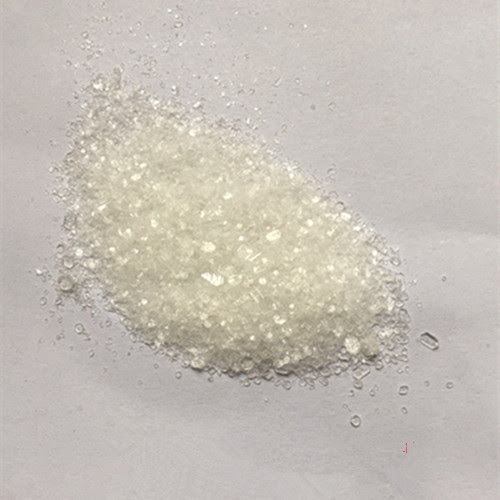
Procaine penicillin belongs to the penicillin and beta-lactam family of antibiotics. It works by inhibiting the synthesis of bacterial cell walls, specifically targeting penicillin-binding proteins essential for producing peptidoglycan, a core component of the bacterial cell wall. By weakening the bacterial cell wall structure, it causes the bacteria to rupture and die.
The addition of procaine—a local anesthetic—to penicillin G reduces the significant pain that can accompany the injection, making treatment more tolerable and less distressing for patients who require antibiotic therapy. First introduced in 1948, procaine penicillin remains an essential medicine widely used around the world and is included in the World Health Organization's list of essential medicines due to its proven effectiveness and safety profile.
Procaine penicillin is primarily prescribed for infections caused by susceptible Gram-positive bacteria. It is particularly useful in the following conditions:
- Syphilis: A sexually transmitted infection caused by the bacterium *Treponema pallidum*. Procaine penicillin is effective in treating all stages of syphilis, including primary, secondary, latent, and tertiary syphilis. It eradicates the causative organism and helps prevent long-term complications.
- Respiratory Tract Infections: This includes pneumonia caused by *Streptococcus pneumoniae* (pneumococci), a common bacterial pathogen. Procaine penicillin provides sustained antibiotic levels, ensuring effective treatment in cases where adherence to oral medications might be problematic.
- Skin and Soft Tissue Infections: Procaine penicillin is effective in treating cellulitis, erysipelas, and infections caused by susceptible staphylococci and streptococci species. These infections are common and often require long-acting antibiotic therapy to resolve.
- Anthrax: As a part of adjunct therapy, procaine penicillin can be used against *Bacillus anthracis*, the bacterium causing anthrax infections. Its bactericidal activity helps in controlling the infection when combined with other treatments.
- Diphtheria: Procaine penicillin aids in eliminating *Corynebacterium diphtheriae* in asymptomatic carriers and treating active diphtheria infection, thereby reducing disease transmission.
- Animal Bites: Due to the risk of infections caused by mixed bacterial flora, particularly *Pasteurella* species and anaerobes, procaine penicillin is used to prevent and treat infections resulting from animal bites.
- Other Bacterial Infections: Procaine penicillin is used for specialized conditions such as rat-bite fever, erysipeloid, subacute bacterial endocarditis (sensitive cases), Whipple's disease, and infections caused by *Listeria monocytogenes*, *Clostridia* species, and other Gram-positive organisms sensitive to penicillin G.
Procaine penicillin is administered by intramuscular injection, typically into the deep muscle of the buttocks or thigh. The drug forms a depot at the injection site, resulting in slow absorption and prolonged therapeutic blood levels. This depot effect means procaine penicillin can often be dosed once or twice daily, which improves treatment adherence and convenience for patients compared to multiple daily doses of aqueous penicillin formulations.
The dose administered depends on the infection's severity and type but usually ranges between 600,000 to 1.2 million units per day in adults. In treating syphilis, for example, the dosing schedule typically spans 10 to 15 days of daily injections, ensuring sufficient antibiotic exposure to eradicate the bacterium. Accurate administration technique is critical not only to maximize the drug's efficacy but also to minimize discomfort and potential complications such as nerve injury or injection site reactions.
Penicillin G works by obstructing the synthesis of bacterial cell walls. It does this by binding to specific penicillin-binding proteins (PBPs) that catalyze the cross-linking of peptidoglycan chains, an essential component of the bacterial cell wall. When these cross-links cannot form properly, the bacterial cell wall weakens and becomes unable to maintain osmotic balance. As a result, the bacterial cell swells and eventually ruptures, leading to bacterial death. This bactericidal effect is effective only against actively dividing bacteria dependent on cell wall synthesis.
Procaine itself has no antibacterial activity; its primary role is to act as a local anesthetic to reduce injection site pain. Furthermore, procaine slows the release of penicillin into the bloodstream, maintaining effective antibiotic concentrations in plasma over extended periods and allowing for less frequent injections.

While procaine penicillin is generally safe when used properly, it can cause side effects and adverse reactions that should be carefully monitored.
- Injection Site Reactions: Pain, redness, swelling, or inflammation at the site of intramuscular injection are common. Proper injection technique can help reduce these symptoms.
- Allergic Reactions: Mild allergies may present as rashes, itching, or hives. More severe reactions include anaphylaxis, a life-threatening emergency with symptoms such as swelling, difficulty breathing, and rapid heartbeat. Patients with a known penicillin allergy should not receive procaine penicillin.
- Neurological Effects: Rarely, high doses or rapid absorption of procaine penicillin can cause neurological symptoms, including seizures or neuropsychiatric symptoms such as hallucinations, confusion, anxiety, or aggressive behavior immediately after injection. These require urgent medical attention.
- Jarisch-Herxheimer Reaction: Particularly in syphilis treatment, this systemic inflammatory reaction can occur shortly after starting therapy, characterized by fever, chills, headache, muscle pain, and worsening of syphilitic lesions due to rapid bacterial death.
- Hematologic Effects: Blood clotting abnormalities and changes in blood cell counts have been reported but are uncommon.
Procaine penicillin should be used cautiously in patients with kidney disease, as impaired renal function may affect drug clearance and increase the risk of toxicity. Although considered relatively safe during pregnancy and breastfeeding, its administration must be under strict medical supervision to ensure safety for mother and fetus.
Procaine penicillin can interact with other medications:
- Probenecid can increase penicillin levels by reducing renal excretion.
- Tetracyclines may antagonize the bactericidal effect of penicillin.
- Oral contraceptives might have decreased efficacy when given with penicillin antibiotics.
- Concomitant use of warfarin and other anticoagulants can increase bleeding risk due to interference with vitamin K-producing bacteria.
Medical professionals should carefully evaluate concomitant medications to avoid adverse interactions during treatment.
- Pediatric Use: Procaine penicillin is used in children with adjusted dosing based on weight and clinical condition. Its safety and efficacy are well established.
- Elderly Patients: Age-related renal impairment may necessitate dose adjustments.
- Pregnancy and Breastfeeding: Classified as relatively safe but should be prescribed cautiously with clear benefits and risks evaluated by healthcare providers.
Procaine penicillin remains a cornerstone antibiotic for the treatment of a broad spectrum of bacterial infections, especially those caused by Gram-positive organisms. Its unique combination of penicillin G and procaine provides a sustained release formulation that decreases the frequency of injections while reducing the pain commonly associated with penicillin administration. Effectively used in syphilis, respiratory infections, skin infections, anthrax, and more, it continues to be an essential and reliable therapeutic tool in both human and veterinary medicine.
Despite its effectiveness and safety, procaine penicillin must be administered carefully, adhering to dosage guidelines and monitoring potential allergic or neurological side effects. When used appropriately, it offers a powerful weapon against serious bacterial diseases and contributes significantly to global public health.
If you are a brand owner, wholesaler, or manufacturer seeking a trusted OEM partner to supply high-quality procaine penicillin or other pharmaceutical products, please contact us at supplybenzocaine.co.uk. Our state-of-the-art biotechnology and pharmaceutical manufacturing capabilities ensure consistent quality and compliance with global standards. Partner with us to expand your product portfolio with effective antibiotics and health solutions tailored for international markets.

Procaine penicillin treats various bacterial infections including syphilis, pneumonia, skin and soft tissue infections like cellulitis, diphtheria, anthrax, animal bite infections, and other Gram-positive bacterial diseases.
It is given via intramuscular injection, usually into the buttock or thigh muscle, which allows sustained drug release and requires fewer injections.
Common side effects include injection site pain and inflammation, allergic reactions (ranging from mild rash to severe anaphylaxis), and rarely, neurological effects such as seizures or hallucinations.
It is generally considered safe under medical supervision during pregnancy and breastfeeding, but should only be administered when clearly indicated by a healthcare professional.
Seek immediate medical attention if you notice symptoms like severe allergic reactions, confusion, hallucinations, seizures, or difficulty breathing after the injection.