Content Menu
● Chemical and Pharmacological Properties
● Uses and Applications of Procaine Powder
● Manufacturing Process of Procaine Powder
● Pharmacokinetics and Metabolism
● Safety Profile and Side Effects
● Regulatory and Quality Considerations
● Advances and Future Perspectives
● Frequently Asked Questions (FAQ)
>> 1. What is procaine powder used for?
>> 2. How does procaine powder work?
>> 3. Is procaine powder safe?
>> 4. Can procaine powder be used orally?
>> 5. What should be considered when sourcing procaine powder?
Procaine powder is a widely known local anesthetic drug belonging to the amino ester group. It was first synthesized in 1905 by the chemist Alfred Einhorn, who named it Novocain to signify "new cocaine," as it was developed as a safer alternative to cocaine for medical anesthesia. It has been historically used in dental procedures and surgical interventions to numb specific areas and provide localized pain relief, especially before invasive treatments.
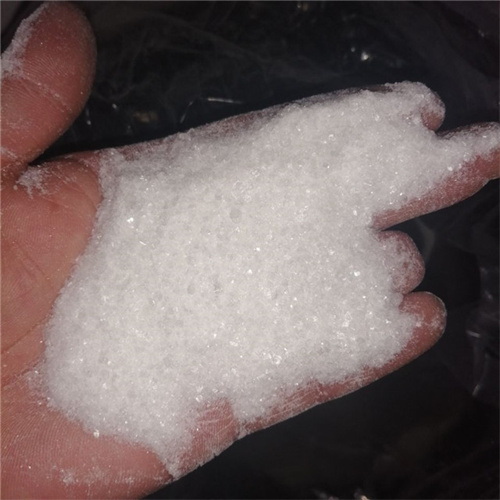
Procaine powder is most commonly available as procaine hydrochloride, a chemical compound used primarily in injection form for medical and dental anesthesia. Unlike cocaine, procaine lacks addictive or euphoric effects and is less toxic, which significantly reduced the risks associated with local anesthesia.
The powder form is processed into injectable solutions or other medicinal formulations in which it blocks nerve signals and prevents the sensation of pain in the targeted area. Procaine works by inhibiting sodium ion influx through voltage-gated sodium channels within nerve cell membranes, which blocks the generation and transmission of nerve impulses that convey pain to the brain.
- Chemical Name: 2-Diethylaminoethyl p-aminobenzoate Hydrochloride
- Mechanism of Action: Sodium channel blocker in peripheral nerves, which stops pain signals
- Metabolism: Hydrolyzed by plasma esterases into para-aminobenzoic acid (PABA) and excreted via the kidneys
- Duration: Short half-life (~7.7 minutes)
- Common Usage: Local infiltration anesthesia, nerve blocks, dental anesthetic, and spinal anesthesia
Because procaine is a vasodilator, it is often co-administered with vasoconstrictors like epinephrine to prolong anesthesia and reduce bleeding during procedures.
Procaine powder is primarily used in formulations to provide local anesthesia during medical, dental, and surgical procedures, including:
- Dental Procedures: Numbing gums for tooth extractions, fillings, and root canals.
- Minor Surgeries: Local anesthesia for skin and soft tissue surgeries.
- Diagnostic and Therapeutic Nerve Blocks: Used to reduce pain in targeted nerves.
- Treatment for Injection Pain: Sometimes mixed with penicillin (as procaine penicillin) to reduce the pain of antibiotic injections.
- Relief for Extravasation Injuries: Reduces pain and vascular spasm after accidental intravenous medication leakage.
- In Veterinary Medicine: Used for local anesthesia in animals during minor surgeries or dental interventions.
- Research and Experimental Uses: Applied in neurophysiology studies to investigate nerve function and pain mechanisms.
The preparation of procaine powder involves a complex multi-step chemical synthesis, carried out under strictly controlled laboratory or industrial conditions:
1. Raw Materials: The key starting substances include p-nitrobenzoic acid and diethylaminoethanol.
2. Reduction Process: The nitro group of p-nitrobenzoic acid is reduced to an amino group using catalysts such as Raney nickel or other hydrogenation methods.
3. Esterification: The amino acid derivative reacts with diethylaminoethanol to form procaine base through an esterification reaction, typically in the presence of solvents such as xylene.
4. Conversion to Hydrochloride Salt: The free base is converted into procaine hydrochloride by reaction with hydrochloric acid to improve solubility and stability.
5. Purification: The crude product undergoes filtration, recrystallization, and drying processes under vacuum to achieve pharmaceutical-grade purity and fine crystalline powder form.
6. Quality Control: Rigorous tests ensure compliance with pharmacopeial standards regarding purity, microbial limits, and chemical identity.
Each stage must be carefully monitored to maintain consistency and meet regulatory requirements for injectable drug substances.
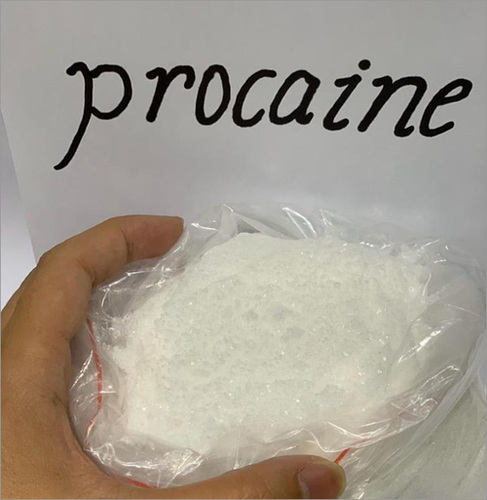
Once administered, procaine is rapidly absorbed at the injection site and distributes into tissues. It crosses the blood-brain barrier minimally but is quickly hydrolyzed by plasma esterases to para-aminobenzoic acid (PABA) and diethylaminoethanol, which are further metabolized and excreted primarily through the kidneys.
Due to its rapid metabolism, procaine has a relatively short duration of action, usually lasting 30 to 60 minutes, which is why it is often combined with longer-acting anesthetics or vasoconstrictors for prolonged effect.
Procaine is generally considered safe for use when correctly administered by trained medical professionals, but it can cause adverse effects if misused or if the patient has underlying allergies or sensitivities.
- Mild numbness or tingling sensations at the site of injection
- Temporary redness or swelling
- Minor pain or discomfort during injection
- Allergic reactions: rash, itching, swelling, or anaphylaxis
- Cardiovascular issues: hypotension, bradycardia, arrhythmias
- Central nervous system effects: dizziness, seizures, tremors, or confusion
- Respiratory distress in extreme cases
- Known hypersensitivity to ester-type anesthetics or PABA derivatives
- Certain neurological disorders such as myasthenia gravis
- Severe liver or kidney impairment impacting drug metabolism
- Use during pregnancy or breastfeeding requires cautious assessment
Healthcare providers typically perform allergy tests or review patient histories before recommending procaine-containing products. Prompt medical attention is essential if adverse reactions occur.
Procaine powder should be stored in a cool, dry place away from direct sunlight and moisture. It must be kept in airtight, well-sealed containers to avoid contamination or degradation. The shelf life depends on packaging and environmental conditions but usually extends to several years under optimal storage.
Proper handling includes using personal protective equipment (PPE) when preparing injectable solutions and following strict hygiene protocols to prevent microbial contamination.
Since procaine is a pharmaceutical active ingredient, manufacturers must comply with Good Manufacturing Practices (GMP) and relevant pharmacopeial standards such as USP, EP, or JP. This ensures the safety, efficacy, and consistency of procaine powder used in medicinal products.
OEM customers benefit from suppliers who provide thorough documentation, including certificates of analysis (CoA), material safety data sheets (MSDS), and batch traceability. Third-party testing and audits further validate product quality.
While procaine is a well-established anesthetic, ongoing research explores:
- Novel formulations: Combining procaine with other agents to reduce systemic toxicity or enhance duration.
- Targeted delivery systems: Using nanotechnology or transdermal patches to minimize injections.
- Alternative uses: Investigating procaine's potential anti-inflammatory and neuroprotective effects in chronic pain disorders or mood disorders.
- Comparative studies: Evaluating procaine against newer local anesthetics for efficacy and safety.
These developments may expand procaine's therapeutic applications and improve patient comfort in the future.
Procaine powder remains an important pharmaceutical compound primarily used as a local anesthetic in various medical and dental procedures. Its discovery marked a significant advance in pain management by providing a safer, less addictive alternative to cocaine-based anesthesia. Current applications extend into antibiotic formulations and therapeutic nerve blocks, underlining its versatility.
At our company, we specialize in developing, manufacturing, and supplying high-quality procaine powder and its pharmaceutical formulations for global OEM partners. We are committed to excellence in quality control and adherence to international standards to meet the evolving needs of healthcare providers worldwide.
If you're interested in partnering with a reliable supplier for procaine powder or any related biotechnological and pharmaceutical raw materials, contact us today for customized solutions tailored to your brand and production requirements.
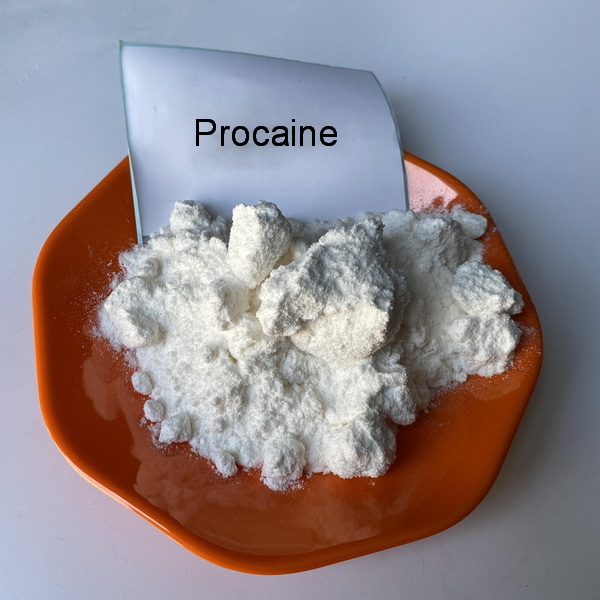
Procaine powder is used primarily to formulate injectable local anesthetics that numb specific body areas during medical and dental procedures. It is also combined with antibiotics to reduce injection pain.
Procaine works by blocking sodium channels in nerve cells, preventing the transmission of pain signals to the brain, thus causing numbness in the targeted region.
When administered by healthcare professionals in correct doses, procaine is generally safe. However, it can cause allergic reactions and other side effects in some individuals, so medical supervision is critical.
Procaine is not effectively absorbed by the mouth and is usually not administered orally. It is mainly delivered via injection for local effects.
Ensure the supplier follows stringent quality control practices, provides pharmaceutical-grade product purity, and complies with regulatory requirements for medical use.