Content Menu
● Understanding Lidocaine Powder and How It Works for Pain Relief
● Common Substances to Mix with Lidocaine Powder
>> - Combination with Other Analgesics
>> - Alcohol or Isopropyl Alcohol
● How to Safely Prepare and Use Lidocaine Powder Mixtures
>> 1. Measure the Lidocaine Powder Accurately
>> 2. Choose a Suitable Carrier
>> 7. Follow Healthcare Advice
● Addressing Safety Concerns and Side Effects
>> - Interactions with Other Medications
● Alternatives and Complementary Pain Relief Options
>> - NSAIDs (Non-Steroidal Anti-inflammatory Drugs):
>> - Physical Therapy and Exercise:
● Frequently Asked Questions (FAQ)
>> Q1: What substances can I safely mix with lidocaine powder for pain relief?
>> Q2: Are there any risks when using lidocaine powder mixtures?
>> Q3: Can lidocaine powder be used on broken or open skin?
>> Q4: How does mixing lidocaine powder with menthol creams help?
>> Q5: What alternatives exist if lidocaine powder is not suitable?

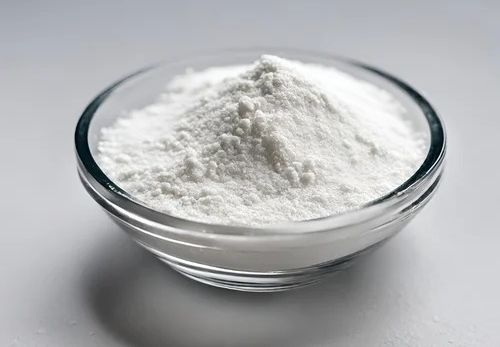
Lidocaine works by blocking sodium channels in nerve cells, preventing the initiation and transmission of pain signals to the brain. When applied topically, lidocaine powder permeates the skin and numbs the underlying tissues, offering temporary but noticeable pain relief.
To improve its absorption, lidocaine powder is often mixed with carrier substances that facilitate skin penetration and ease of application. The nature of these carriers greatly influences the effectiveness of the lidocaine mixture, as well as its safety and comfort of use.
Natural oils like coconut oil, olive oil, or jojoba oil are preferred for their skin-friendly properties and their ability to dissolve lidocaine powder effectively. These oils support even distribution, skin moisturization, and promote controlled absorption. Coconut oil, in particular, has been reported to have mild antimicrobial properties, adding a protective dimension to the topical application.
Water-based creams or petroleum jelly create a smooth blend with lidocaine powder, establishing a manageable consistency for topical use. These are especially useful for large-area applications such as in cases of widespread muscle soreness or skin irritation.
Water-based gels or aloe vera gels are often favored for their cooling and soothing effect, amplifying lidocaine's pain-relieving properties. Gels typically have a faster absorption rate compared to creams, making them suitable for acute pain relief scenarios.
Mixing lidocaine powder with over-the-counter topical creams containing menthol or camphor can enhance the numbing and cooling sensation, providing increased relief for muscle or joint pain. These combinations act synergistically, where lidocaine blocks nerve signaling and ingredients like menthol stimulate cold receptors in the skin, distracting from pain signals.
In some compounding practices, dilute alcohol solutions are used as solvents to dissolve lidocaine powder before mixing with other carriers. This method requires expertise to ensure that the alcohol concentration does not damage the skin or cause excessive dryness or irritation.
When preparing lidocaine powder mixtures, precision and caution are critical. Lidocaine has a narrow therapeutic window, meaning that small increases in the dose can potentially lead to toxicity. Always follow recommended dosages and avoid mixing with incompatible substances. Here are practical steps for safe use:
Use an electronic scale to ensure proper dosage, avoiding overdose. Generally, lidocaine mixtures should not exceed 4% concentration for topical application unless prescribed by a healthcare provider.
Depending on the intended application, select an oil, cream, or gel compatible with skin type and desired absorption rate. For dry skin, oils may be preferred, while for oily skin, water-based gels are better suited.
Combine the lidocaine powder into the carrier until fully dissolved or evenly dispersed to avoid uneven dosing and reduce the risk of irritation or burns.
Apply a small amount on a limited skin area to check for allergic reactions or irritation, particularly for those prone to sensitive skin or allergies.
Do not apply on open wounds, mucous membranes, eyes, or broken skin. Lidocaine absorption through mucosa or damaged skin can rapidly lead to systemic toxicity.
Store the prepared mixture in a clean, airtight container at recommended temperatures to maintain potency and prevent contamination. Label it clearly with concentration and preparation date.
Consult a medical professional to determine safe limits and application frequency. Lidocaine use should be limited to short durations, typically not exceeding a week of consistent topical use unless supervised by a healthcare practitioner.
Despite its benefits, lidocaine powder use carries certain risks if not used correctly:
Common localized side effects include redness, itching, burning sensation, and contact dermatitis. These usually subside upon discontinuing use.
Although rare, allergic reactions to lidocaine or compounds mixed with it can cause swelling, rash, or even anaphylaxis in severe cases. Patch testing prior to extensive use is advisable for new users.
Overdose or rapid systemic absorption can lead to symptoms such as dizziness, confusion, blurred vision, tremors, seizures, respiratory depression, and cardiac arrhythmias. This is more likely when applied to damaged skin or in large quantities.
A rare but serious condition caused by altered hemoglobin, leading to decreased oxygen delivery to tissues. Symptoms include cyanosis (bluish skin tone), fatigue, and headache. Prompt medical attention is critical if suspected.
If combined improperly, lidocaine may interact with medications like beta-blockers or antiarrhythmics, increasing the risk of side effects.
Adhering to guidelines, proper dosing, and professional medical supervision significantly reduce these risks.
While lidocaine powder is effective, alternative or complementary treatment options for pain relief include:
Oral medications such as ibuprofen or acetaminophen reduce inflammation and pain, useful in conjunction with topical lidocaine for systemic relief.
Creams containing capsaicin, menthol, or camphor may be used either alone or alongside lidocaine mixtures for complex pain syndromes.
- Heat and Cold Therapy:
Application of warm compresses or ice packs can influence blood circulation and nerve sensitivity, offering non-pharmacologic relief.
Targeted muscle strengthening and stretching reduce pain through improved mobility and reduced nerve compression.
Techniques such as acupuncture, massage, and mindfulness meditation provide holistic pain management benefits.
These options can help tailor individualized treatment plans to maximize comfort and functional recovery.
Lidocaine powder is a versatile and effective topical anesthetic widely used for managing various types of localized pain when mixed with appropriate carrier substances such as oils, gels, or creams. Combining lidocaine with complementary agents like menthol enhances its analgesic effect, making it suitable for treating muscle aches, joint pain, and minor skin irritations. However, the preparation and application of lidocaine mixtures demand careful attention to dosage, carrier selection, and safety precautions to prevent adverse effects like toxicity, allergic reactions, or skin damage. For those seeking alternative or supplementary pain relief, various pharmacologic and non-pharmacologic options exist.
For businesses and healthcare providers looking for high-quality lidocaine powder and OEM services, our factory offers reliable and customizable solutions tailored to meet international standards. Connect with us today to explore partnership opportunities and develop pain-relief products that meet your specifications and market needs.
Contact us now for professional consultation and turnkey OEM formulations!
A1: Lidocaine powder can be mixed with carrier oils such as coconut oil, olive oil, and jojoba oil; water-based gels including aloe vera gels; creams or lotions; and topical analgesics containing menthol or camphor. These mixtures help deliver effective localized anesthesia while moisturizing and soothing the skin.[1][2]
A2: Yes, the risks include skin irritation, allergic reactions, systemic toxicity from overdose or inappropriate use on broken skin, and the rare condition methemoglobinemia. Proper dosing, skin testing, and avoiding open wounds reduce these risks significantly.[2][1]
A3: It is not recommended to apply lidocaine powder on broken or open skin as it can be absorbed too quickly into the bloodstream, increasing the risk of systemic adverse effects. Only intact skin should be treated unless directed by a healthcare professional.[1]
A4: Menthol provides a cooling sensation that works synergistically with lidocaine's numbing effect, enhancing the overall pain relief experience, especially for muscle or joint pain.[1]
A5: Alternatives include oral NSAIDs like ibuprofen, other topical analgesics like capsaicin or camphor, physical therapies such as heat/cold treatment, and complementary methods like acupuncture or massage therapy—all of which can effectively reduce pain depending on individual needs.[1]
[1](https://www.salispharm.com/knowledge/what-to-mix-lidocaine-powder-with-for-pain-)
[2](https://www.ncbi.nlm.nih.gov/books/NBK539881/)
[3](https://pubmed.ncbi.nlm.nih.gov/28027198/)
[4](https://www.mayoclinic.org/drugs-supplements/lidocaine-topical-application-route/description/drg-20072776)
[5](https://www.pccarx.com/Blog/2-tips-for-compounding-with-lidocaine-and-lidocaine-hcl)
[6](https://www.oncolink.org/cancer-treatment/oncolink-rx/lidocaine-hcl-solution-2-xylocaine-R-viscous)
[7](https://www.nhs.uk/medicines/lidocaine-for-piles-and-itchy-bottom/about-lidocaine-for-piles-and-itchy-bottom/)
[8](https://medlineplus.gov/druginfo/meds/a682701.html)
Hot tags: Mixing Lidocaine Powder, Lidocaine Pain Relief, Lidocaine Combinations, Pain Management Solutions, Topical Pain Relief, Lidocaine Creams, Lidocaine Gel, Pain Relief Formulations, Lidocaine Absorption, Lidocaine Eutectic Mixture