Content Menu
● Chemical Nature of Lidocaine Powder
● Solubility Characteristics of Lidocaine Base Powder
● Solubility Characteristics of Lidocaine Hydrochloride
● Common Solvents Used for Dissolving Lidocaine Powder
● How to Properly Dissolve Lidocaine Powder
● Troubleshooting Common Problems in Dissolving Lidocaine Powder
● Implications of Lidocaine Solubility in Pharmaceutical Applications
● Frequently Asked Questions (FAQ)
>> 1. What solvents dissolve lidocaine powder effectively?
>> 2. Can lidocaine powder be dissolved in water for injection?
>> 3. Which solvents are safe for topical lidocaine solutions?
>> 4. How does pH affect lidocaine hydrochloride solubility?
>> 5. What precautions should be taken when dissolving lidocaine powder?
Lidocaine powder is a widely utilized compound in the biotechnology, pharmaceutical, and medical device industries. It plays a vital role as a local anesthetic and antiarrhythmic agent, frequently supplied in powder form for use in diverse formulations. Understanding the solubility properties of lidocaine powder is crucial for its effective application in topical solutions, injections, dental products, and other medical formulations. This article delves deep into the solvents in which lidocaine powder is soluble, elaborates on proper dissolution techniques, discusses troubleshooting methods, and explores practical applications and implications of solubility in pharmaceutical development.
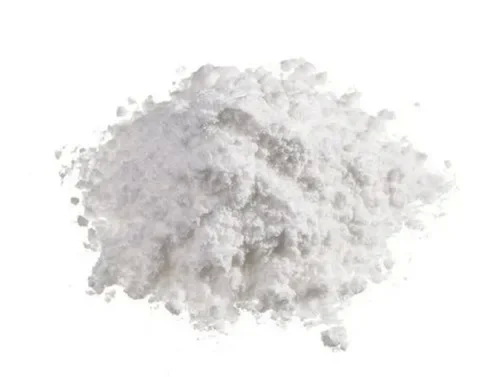
Lidocaine, in its base form, appears as a white or slightly yellow crystalline powder with needle-like structures. It melts at temperatures around 68–69°C and boils within the range of 159–182°C under reduced pressure. The powder exists mainly in two distinct forms—lidocaine base (free base) and lidocaine hydrochloride salt. The base form is a non-ionized, hydrophobic compound, whereas lidocaine hydrochloride is an ionized salt form composed of lidocaine combined with chloride ions and hydration water molecules. This structural difference influences solubility profoundly, with the hydrochloride form exhibiting much greater water solubility due to its ionic nature and polarity.
Lidocaine base powder is practically insoluble in water, attributed to its hydrophobic molecular structure. However, it demonstrates excellent solubility in various organic solvents such as ethanol, methanol, ether, benzene, chloroform, vegetable oils, and methylene chloride. These solvents can disrupt the intermolecular forces within the lidocaine powder, promoting its dissolution. This solubility pattern greatly impacts how lidocaine base is formulated and handled in pharmaceutical applications.
Considering its insolubility in water, lidocaine base is generally not used directly in aqueous formulations unless chemically modified or converted into its hydrochloride salt. Its preference for organic solvents is particularly exploited in topical and cosmetic preparations where water is either absent or minimized.
In contrast, lidocaine hydrochloride is highly soluble in water and some organic solvents, including ethanol and dimethyl sulfoxide (DMSO). The presence of chloride ions and the ionic nature of this salt form enhance its polarity, making it hydrophilic enough to dissolve freely in aqueous media. The resulting aqueous solutions tend to be slightly acidic, usually in the pH range of 4 to 5, ensuring chemical stability.
The solubility also depends on pH, where lidocaine hydrochloride maintains good solubility in acidic environments but may start to precipitate when the solution becomes more alkaline (above pH 7). Understanding this pH-dependent solubility is crucial in maintaining stable pharmaceutical formulations, particularly injectable forms and topical gels, where precipitation must be avoided.
Selecting the right solvent for dissolving lidocaine powder depends primarily on the specific form of lidocaine and its intended application. Here are the most frequently used solvents:
- Ethanol and Isopropyl Alcohol: These alcohols are ideal for dissolving lidocaine base due to their excellent solvent capabilities and relatively safe profiles. They are commonly used in topical formulations like gels, sprays, and creams due to their stability and ease of evaporation.
- Propylene Glycol: Known for its low toxicity and good dermatological compatibility, propylene glycol serves as an effective solvent in pharmaceutical and cosmetic lidocaine preparations.
- Dimethyl Sulfoxide (DMSO): A powerful solvent with superior solvating ability, DMSO is often used in research or specialized formulations requiring high solubility but is less common in routine pharmaceutical products due to its strong odor and other considerations.
- Water: The primary solvent for lidocaine hydrochloride, which is readily soluble in water. Water-based formulations are dominant in injectable solutions and aqueous topical gels.
Consideration of safety, intended use, and solvent compatibility is vital when choosing solvents for lidocaine powder dissolution to ensure product efficacy and patient safety.
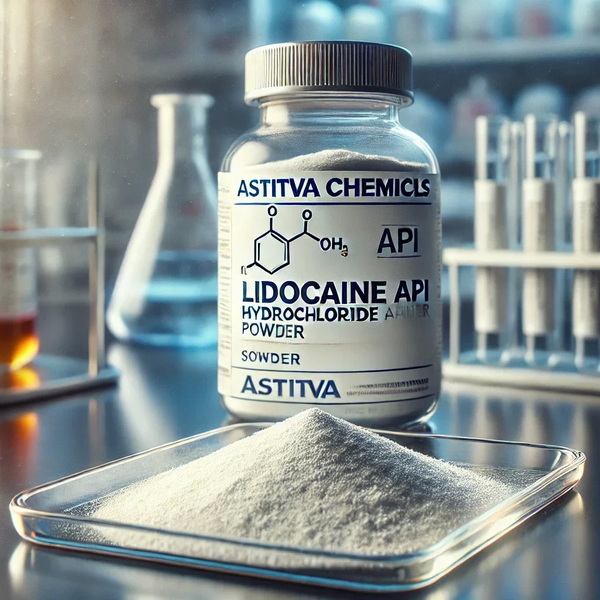
The process of dissolving lidocaine powder requires careful adherence to proper techniques to maximize dissolution efficiency and maintain product stability:
- Measurement Accuracy: Using precise scales and volumetric tools is essential in weighing lidocaine powder and measuring solvents to ensure correct concentrations.
- Gentle Mixing: Upon combining lidocaine powder with the chosen solvent, gentle stirring or swirling prevents the formation of lumps and promotes uniform dissolution.
- Temperature Control: Slightly warming the solvent can improve solubility rates but should be done cautiously to avoid degradation of the compound.
- Sterile Handling: For injectable formulations, sterile equipment and environments are mandatory to avoid contamination and ensure patient safety.
- Sequential Addition: Adding the powder gradually to the solvent rather than all at once helps prevent saturation and precipitation.
Different formulations may require customization of these steps. For example, injectable solutions primarily use lidocaine hydrochloride dissolved in sterile water or saline, whereas topical applications may incorporate organic solvents and emulsifiers after dissolution to create the final product.
Several challenges may arise during the dissolution of lidocaine powder:
- Undissolved Particles: This often results from insufficient solvent volume, poor mixing, or low temperature. Solutions include warming the mixture gently, increasing the solvent amount, or stirring more vigorously.
- Precipitation or Cloudiness: Usually due to pH shifts, improper solvent choice, or concentration exceeding solubility limits. Maintaining proper pH and solvent compatibility helps prevent these issues.
- Inaccurate Dosage: Measuring errors in powder or solvent quantities can lead to under or overdosing, emphasizing the importance of calibrated instruments.
- Solvent Incompatibility: Some co-ingredients or additives may react with solvents or lidocaine itself, causing instability. Formulators should verify all ingredients' compatibility prior to production.
Understanding these issues and how to address them ensures a stable and effective lidocaine solution for various medical uses.
Lidocaine's solubility behavior influences its pharmaceutical development significantly:
- Bioavailability: Proper solubility ensures that lidocaine reaches the target tissue in effective concentrations, maximizing anesthetic or antiarrhythmic effects.
- Formulation Stability: Solubility affects the stability and shelf life of products, dictating storage conditions and packaging.
- Versatility: Solubility profiles facilitate the design of various formulations, including injectable solutions, topical creams, sprays, gels, and medical device coatings.
- Regulatory Compliance: Selecting appropriate solvents and ensuring stable solutions align with regulatory standards for safety, efficacy, and quality.
Manufacturers and brand owners must grasp these aspects to develop safe, efficacious, and market-appropriate lidocaine-containing products.
Lidocaine powder exhibits distinctly different solubility profiles depending on its chemical form. The lidocaine base is hydrophobic and dissolves effectively only in organic solvents, whereas lidocaine hydrochloride is water-soluble and preferred for aqueous pharmaceutical formulations. Understanding these solubility characteristics is essential for optimizing drug delivery, ensuring formulation stability, and maximizing clinical effectiveness.
For businesses seeking high-quality lidocaine powder or custom OEM services, partnering with an experienced manufacturer specializing in biotechnology, pharmaceuticals, and medical devices is critical. Our factory provides comprehensive OEM solutions tailored to brand owners, wholesalers, and producers, ensuring reliable supply chains and adherence to stringent quality standards. Contact us today to discover how we can support your product development needs with professional lidocaine powders and related formulations.
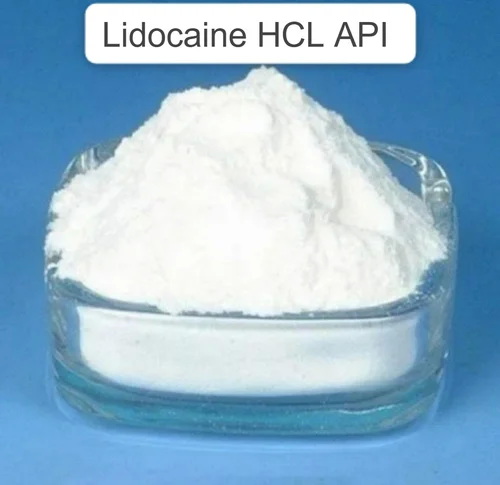
Lidocaine base dissolves efficiently in organic solvents such as ethanol, methanol, ether, benzene, chloroform, and oils. Lidocaine hydrochloride is soluble in water as well as in ethanol and DMSO. The choice depends on whether the compound is in its base or salt form.
Only lidocaine hydrochloride dissolves readily in water and is used in injectable formulations. The lidocaine base is practically insoluble in water and therefore unsuitable for injections in its base form.
Ethanol, propylene glycol, and isopropyl alcohol are commonly used as solvents for topical lidocaine applications due to their safety profiles and good solvating power.
Lidocaine hydrochloride remains soluble and stable in acidic environments with a pH around 4 to 5. When the pH exceeds 7, precipitation may occur as the compound loses ionization, impacting solution clarity and stability.
Use sterile equipment for injectable formulations, avoid prolonged exposure to heat and light, measure ingredients accurately, and select solvents appropriate to the intended application to ensure safety and efficacy.
[1](https://www.pccarx.com/Blog/lidocaine-vs-lidocaine-hci3)
[2](https://www.nbinno.com/article/active-pharmaceutical-ingredients-apis/science-behind-lidocaine-hydrochloride-purity-performance-anesthesia)
[3](https://www.salispharm.com/knowledge/how-to-dissolve-lidocaine-powder-)
[4](https://www.selleckchem.com/datasheet/lidocaine-hydrochloride-S466701-DataSheet.html)
[5](https://cdn.caymanchem.com/cdn/insert/22899.pdf)
[6](https://www.chemicalbook.com/ChemicalProductProperty_EN_CB9128024.htm)
[7](https://labeling.pfizer.com/ShowLabeling.aspx?id=14311)
[8](https://www.ema.europa.eu/en/documents/assessment-report/lidocaineprilocaine-plethora-epar-public-assessment-report_en.pdf)
[9](https://www.sigmaaldrich.com/JP/en/product/sigma/l7757)
[10](https://www.remedylabs.net/lidocaine-chemical.html)
Hot tags: Lidocaine Solubility, Solvents for Lidocaine, Lidocaine Powder Properties, Chemical Solubility, Lidocaine Hydrochloride Solubility, Solubility in Water, Lidocaine Solutions, Lidocaine Chemical Properties, Lidocaine Mixing, Lidocaine Compatibility