Content Menu
● How Novocaine and Related Anesthetics Work
● Why You Rarely Buy “Novocaine” Directly
● Where Can Clinics and Laboratories Buy Novocaine‑Type Products?
● OEM/ODM Options for Novocaine‑Related Products
● What About Buying Benzocaine Instead of “Novocaine”?
● Online B2B Platforms and Direct Factory Purchasing
● Suggested Visual and Video Content for Your Article
● Practical Steps for International Buyers
● Who Should NOT Try to “Buy Novocaine Online”?
● FAQ
>> 1. What is the difference between Novocaine and benzocaine?
>> 2. Can I buy Novocaine for home use?
>> 3. How can an overseas company source benzocaine or procaine from China?
>> 4. What certifications should a Novocaine‑related API supplier have?
>> 5. Does your factory support OEM/ODM services for local anesthetic products?
Novocaine (also written “Novocain”) is the trade name historically used for procaine, a synthetic local anesthetic that blocks nerve conduction to prevent pain in a limited area of the body. It works by blocking sodium channels in nerve membranes, stopping the generation and propagation of pain impulses without affecting consciousness.[6][1]
- In clinical practice, procaine solutions in various strengths (for example 0.5–2%) are used by doctors and veterinarians for infiltration, nerve block, and other local anesthesia techniques.[1][6]
- Novocaine has largely been replaced in modern dentistry by agents such as lidocaine because of better potency, toxicity profile, and duration, but the term “Novocaine shot” is still used colloquially by patients.[5]
Novocaine is usually formulated as a hydrochloride salt to improve solubility in water and stability in solution. In many cases it is combined with vasoconstrictors such as epinephrine to prolong the duration of anesthesia and reduce systemic absorption, although combination choices are subject to local regulatory rules.[6][1][5]
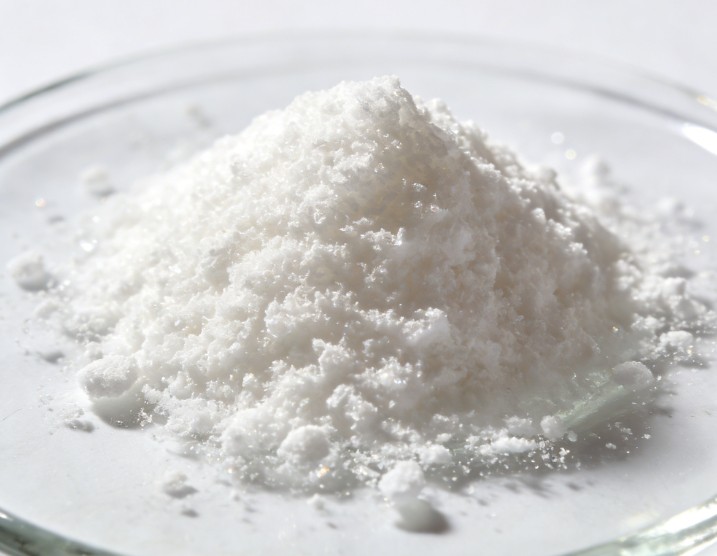
Local anesthetics such as procaine and benzocaine act primarily on voltage‑gated sodium channels in peripheral nerve fibers, preventing the influx of sodium ions that is necessary for action potential generation. When a sufficient number of sodium channels are blocked, the nerve can no longer transmit pain signals from the site of administration to the central nervous system.[5][6]
Several key pharmacological points are important for professional buyers and formulators:
- Onset and duration: Procaine has a relatively rapid onset but shorter duration than some newer agents, which is why many dentists now prefer alternatives like lidocaine for routine procedures.[5]
- Tissue penetration: Benzocaine, being more lipophilic and used in non‑ionized form, is well suited to topical preparations but is not typically injected, in contrast to procaine.[2][6]
- Systemic toxicity: All local anesthetics can cause systemic side effects when absorbed in high amounts, so dose, concentration, and route of administration must be carefully controlled by medical professionals.[1][6][5]
Understanding these mechanisms helps OEM/ODM customers choose the right active ingredient and dosage form for their target indications, whether they are developing human, veterinary, or medical‑device‑adjacent products.[3][2]
In most regulated markets, injectable local anesthetics are treated as prescription medications and cannot be sold directly to the general public without medical oversight. The reasons include safety, risk of overdose, allergic reactions, and the need for correct injection technique.[1][5]
- Dentists, physicians, and veterinarians typically purchase Novocaine‑class products and other anesthetics through licensed medical distributors or directly from pharmaceutical manufacturers authorized to sell into their jurisdiction.[6][1][5]
- Consumers looking for pain relief usually access local anesthetics in over‑the‑counter topical forms (such as benzocaine gels and sprays) rather than injectable procaine, which remains controlled.[2][5]
In addition, many jurisdictions regulate not only the sale but also the advertising of prescription anesthetics, restricting direct‑to‑consumer promotion and mandating that technical materials be aimed at healthcare professionals and industrial buyers. For international B2B transactions, buyers must also comply with import licensing, controlled‑substance rules (where applicable), and local pharmaceutical law before clearing customs.[3][2][5]
For clinics, hospitals, veterinary practices, and industrial buyers, the purchasing path typically runs through professional distributors or direct OEM/ODM arrangements with manufacturers. There are three main groups of sources:[4][3][6][1][5]
- Medical and dental distributors: Companies that specialize in dental anesthesia and related products provide a full portfolio of cartridges, vials, and topical anesthetics under various brands, purchased by licensed professionals only.[5]
- Veterinary medicine suppliers: Veterinary wholesalers and online vet‑med platforms offer procaine/Novocaine solutions for animal use, subject to veterinary prescription and national regulations.[6][1]
- API and bulk manufacturers: B2B platforms and specialized producers supply local anesthetic active ingredients such as benzocaine, procaine, and lidocaine to formulation plants, brand owners, and contract manufacturers, often with cGMP and other regulatory certifications.[4][2][3]
If you are a brand owner, wholesaler, or finished product manufacturer, working directly with a Chinese production facility gives access to bulk APIs, intermediates, and finished forms (powders, granules, or pre‑formulated blends) suitable for integration into your own dosage forms, subject to local law. For veterinary and dental chains that operate across multiple markets, centralized sourcing from a single high‑capacity plant can significantly simplify supply management and cost control.[2][3][4]
Many pharmaceutical and fine‑chemical factories in China operate as OEM/ODM partners, especially in the local anesthetic segment (benzocaine, procaine, lidocaine and related intermediates). These partners can support you from raw material supply through to finished packaging under your brand.[3][4][2]
Typical OEM/ODM services include:[4][2][3]
- Custom synthesis and purification of APIs such as benzocaine and procaine for topical or injectable formulations, aligned with your required pharmacopoeial standards.
- Contract manufacturing of semi‑finished and finished products (gels, creams, powders for re‑packing, or bulk solution for sterile filling at your own plant) under your trademark.
- Support with documentation such as CoA, MSDS, process validation data, and where applicable DMF/CEP‑related technical dossiers for your own regulatory submissions.
Advanced OEM relationships often go beyond basic toll manufacturing. Factories may collaborate with brand owners on formulation optimization, stability improvement, taste‑masking for oral products, and compatibility studies with packaging materials. Partners with R&D capability can also help you expand your portfolio from single‑ingredient benzocaine or procaine products to combination formulations with antiseptics or soothing excipients, always within regulatory boundaries in your destination markets.[2][3]
In modern formulations, benzocaine is one of the most widely used topical local anesthetics for gels, sprays, ointments, and lozenges, making it a practical choice for brand owners targeting OTC markets. Benzocaine is chemically different from procaine but works via the same principle of sodium channel blockade in peripheral nerves.[2][6]
- International buyers sourcing benzocaine from China are advised to focus on manufacturers with consistent quality systems, appropriate certifications, and experience in exporting pharmaceutical‑grade material.[3][4][2]
- Dedicated benzocaine sites serving global customers offer high‑purity products, multiple pack sizes, and OEM capabilities along with logistics support and multilingual commercial teams.[7][8][4][2]
For brands that want to offer “Novocaine‑like” relief in consumer products, benzocaine‑based formulations often provide an effective regulatory and technical pathway compared with injectable procaine. Benzocaine is frequently used in oral pain gels, teething products in some markets, hemorrhoid creams, and sunburn sprays, giving marketing teams broad flexibility in positioning and line extensions where regulations allow.[2][5]

Professional buyers can source Novocaine‑related APIs and intermediates in two main ways: via specialized B2B platforms or via the manufacturers' own websites.[8][7][4][3][2]
- B2B pharma platforms: These sites allow you to search for benzocaine, procaine, and other local anesthetic APIs, compare GMP status and certifications, and contact multiple producers for quotations and samples.[3][2]
- Direct factory websites: Some specialized producers maintain their own multilingual e‑commerce or inquiry‑based portals that list benzocaine and related products with indicative prices, payment and shipping policies, and contact channels such as WhatsApp and email for faster communication.[7][8][4]
For international trade, factories serving buyers worldwide will usually provide guidance on Incoterms, customs documentation, and recommended shipping methods for temperature‑sensitive or hazardous goods. Serious suppliers also help customers prepare technical documents that may be requested by customs or local health authorities, reducing the risk of delays or rejections.[4][3][2]
Although this text version does not embed actual media, website owners can significantly enhance reader engagement by adding carefully selected images and videos in the body of the article. Appropriate visuals also help explain complex mechanisms and build confidence in your manufacturing capacity.
Recommended visual themes include:
- Diagrams of nerve fibers showing how procaine and benzocaine block sodium channels and interrupt pain signals.
- Cross‑section graphics of skin or oral tissues illustrating topical versus injectable anesthesia.
- Flowcharts of the regulated supply chain from API manufacturer to finished‑dose distributor and finally to clinic or pharmacy.
- Photographs of clean‑room production, quality‑control laboratories, and packaging lines to underline GMP‑style operations and strict quality assurance.
Suitable videos might cover:
- Short educational clips explaining local anesthetic pharmacology in simple language for non‑specialist B2B buyers.
- A corporate factory tour highlighting key equipment, R&D capability, and export experience in the local anesthetic area.
- Step‑by‑step guides for international buyers on defining a specification, evaluating supplier documents, and planning their first trial order.
By combining such images and videos with detailed technical text, your article can serve as both a marketing asset and an educational resource for prospective customers across different regions.
For foreign brand owners, wholesalers, and production companies who want to secure a long‑term Novocaine‑related supply, a structured sourcing process is essential.[8][4][3][2]
1. Clarify technical requirements
- Define the exact molecule (benzocaine, procaine, or other local anesthetic), target assay, impurity limits, and applicable pharmacopeia (e.g., USP/EP).
- Set expectations for documentation: CoA, batch records, stability data, and any DMF or registration support you need in your country.
2. Research and shortlist manufacturers
- Use industry directories, B2B platforms, and search engines to identify benzocaine/procaine producers with export experience.[4][3][2]
- Check for GMP‑style facilities, ISO certifications, and an established track record in local anesthetics.
3. Request quotations and samples
- Send a detailed inquiry including annual volume, packaging, and expected delivery terms; request pilot samples before committing to large quantities.[2]
- Evaluate analytical data from the supplier and, where possible, verify with your own or a third‑party laboratory.
4. Perform due diligence and audits
- Assess the supplier's quality system, change‑control approach, deviation management, and recall procedures.[3][2]
- For long‑term projects, consider on‑site or virtual audits to confirm compliance with your internal standards.
5. Negotiate and sign supply agreements
- Agree on price tiers, minimum order quantities, lead times, and safety‑stock levels to stabilize your supply chain.[3][2]
- Define clear quality and regulatory responsibilities, including how variations will be communicated and approved.
6. Scale up and build partnership
- Start with trial or pilot batches, then gradually increase order size once performance and quality are proven.
- Maintain regular technical and commercial communication to optimize formulations, packaging, and logistics over time.
Professional buyers who follow this structured process typically achieve more reliable supply, better pricing, and fewer regulatory surprises than those who purchase on a transactional basis only.[2][3]
While B2B sourcing of APIs and bulk anesthetics is normal in the pharmaceutical industry, private individuals should not try to obtain injectable Novocaine for self‑use.[1][5]
- Incorrect dosing, wrong concentration, or improper injection techniques can lead to serious complications such as systemic toxicity, arrhythmias, seizures, or permanent nerve damage.[6][1][5]
- In many jurisdictions, attempting to import prescription anesthetics without authorization may violate drug laws and result in confiscation or legal penalties.[1][5]
Consumers seeking pain relief for dental or minor skin problems should consult a licensed healthcare professional or use approved OTC products following label instructions, rather than sourcing bulk or injectable anesthetics directly. For companies, strict internal policies should prohibit resale of professional‑grade anesthetics to non‑professional customers, reducing both legal and reputational risks.[5][1]
For everyday consumers, the realistic answer to “Where can I buy Novocaine?” is that injectable Novocaine (procaine) is not a product to purchase and use independently, but something administered by medical professionals using regulated supply chains. For brand owners, wholesalers, and manufacturers in pharmaceuticals, health, and medical devices, however, there is a clear pathway: partner with experienced API and OEM manufacturers specialized in benzocaine, procaine, and related anesthetics, ensuring regulatory compliance, stable quality, and reliable logistics.[7][8][4][6][1][5][3][2]
If your company is looking for a trusted Chinese factory partner to develop or supply benzocaine/procaine‑based products under your own brand—whether as raw materials, intermediates, or finished forms—reach out via the contact channels on our site to discuss specifications, pricing, and customized OEM solutions tailored to your market. A dedicated technical and commercial team can support you from initial idea through to long‑term mass production and global shipments, helping your brand occupy a strong position in local anesthetic and related product segments worldwide.[8][7][4][3][2]
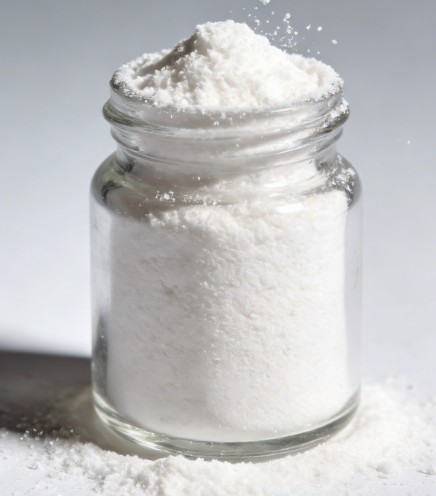
Novocaine is the original brand name for injectable procaine, a local anesthetic used mainly by physicians and dentists, whereas benzocaine is a related local anesthetic commonly used in topical OTC products such as gels, sprays, and lozenges. Both agents work by blocking sodium channels in nerve membranes, but they differ in pharmacokinetics, routes of administration, and regulatory status, which makes benzocaine better suited to consumer products and procaine to professional injections.[6][5][2]
In most countries, injectable Novocaine is a prescription‑only medicine reserved for professional use, so it is not legally available for home injection or self‑treatment. Individuals who attempt to buy and inject their own Novocaine risk both serious health complications and potential legal consequences, and should instead seek care from licensed providers or use approved OTC options as directed.[1][5]
International buyers typically identify qualified benzocaine/procaine suppliers through pharmaceutical B2B platforms, trade fairs, or direct searches, then contact factories to request specifications, quotations, and samples. After technical evaluation, audits, and trial orders, they finalize long‑term supply contracts and OEM arrangements aligned with local regulatory requirements, ensuring consistent quality and on‑time delivery for their own manufacturing operations.[8][4][3][2]
Professional buyers generally look for cGMP‑style production, ISO quality certifications, and documented regulatory inspection histories, especially when sourcing for human or veterinary pharmaceutical use. Additional documentation may include CoA for each batch, stability data, impurity profile information, and, where applicable, DMF or similar technical dossiers to support registration in the importing country and meet inspection requirements.[3][2]
Many specialized Chinese factories provide OEM/ODM services for local anesthetic APIs and related formulations, including benzocaine and procaine products, enabling foreign brand owners to launch white‑label or custom products efficiently. These services can cover custom synthesis, formulation development, private‑label packaging, regulatory documentation, and export logistics, giving partners a one‑stop solution from raw material to finished goods under their own brands.[7][8][4][2][3]
[1](https://en.loopyvet.com/product/novokainu-rozchin-2-50-ml/)
[2](https://www.nbinno.com/article/pharmaceutical-intermediates/benzocaine-suppliers-china-buyers-guide-kp)
[3](https://pharmaoffer.com/zh-CN/api-excipient-supplier/local-anesthetics/benzocaine)
[4](https://www.goldbenzocaine.com/benzocaine.html)
[5](https://www.henryschein.com/dental-anesthesia-and-dental-anesthetics-products.aspx)
[6](https://homelabvet.com/attribute-name/attribute/active-substances/novocaine/)
[7](https://www.supplybenzocaine.co.uk/Article/list-r1.html)
[8](https://www.supplybenzocaine.co.uk/where-to-buy-benzocaine-powder.html)
Hot tags: Buy Novocaine Online, Novocaine Purchase Options, Where to Buy Novocaine, Novocaine for Sale, Novocaine Delivery Services, Buy Novocaine Near Me, Novocaine Injection Purchase, Novocaine Online Pharmacy, Novocaine Shopping Guide, Novocaine Availability Online