Content Menu
>> Common Uses of Procaine Powder
● Why Is Quality Sourcing Crucial?
>> Risks of Low-Quality or Illicit Procaine
● Where Can I Buy Procaine Powder?
>> 1. OEM Manufacturers in China
>>> Advantages of Sourcing from a Certified Chinese Factory:
>> 2. Pharmaceutical Raw Material Distributors
>>> Advantages:
>>> Tips:
>> 4. Local Pharmacies and Chemical Suppliers
>>> Note:
● How to Evaluate a Procaine Powder Supplier
>> Step 1: Review Certification & Compliance
>> Step 2: Assess R&D and Production Capabilities
>> Step 3: Request Samples for Testing
>> Step 4: Inspect Packaging and Shipping Practices
● Legal and Regulatory Considerations
>> Is It Legal to Buy Procaine Powder?
● Step-by-Step Guide: How to Import Procaine Powder
● Potential Applications and End-User Markets
● Additional Considerations for Buyers
● Frequently Asked Questions (FAQ)
>> 1. What is the minimum order quantity (MOQ) for procaine powder?
>> 2. Is it safe to import procaine powder for personal use?
>> 3. How do I verify the purity of procaine powder?
>> 4. Can I get OEM packaging and branding for my procaine powder order?
>> 5. What is the typical shipping time for bulk procaine powder orders?
Procaine powder is a key ingredient used extensively in the pharmaceutical, cosmetic, and research industries. This compound, recognized for its anesthetic and numbing properties, plays a significant role in pain management, dental treatments, and laboratory experiments. But when it comes to purchasing procaine powder, especially in bulk or for OEM (Original Equipment Manufacturer) services, buyers often face challenges regarding reliability, quality assurance, legal compliance, and supplier selection.
This comprehensive article explores where you can buy procaine powder, delves into the product's applications, outlines the ideal sourcing channels, discusses regulatory requirements, and provides practical steps and criteria for safe procurement. Whether you are a pharmaceutical distributor, a brand owner, a healthcare professional, or a researcher, this guide will equip you with the insights and strategy to secure authentic, high-quality procaine powder in the global market.
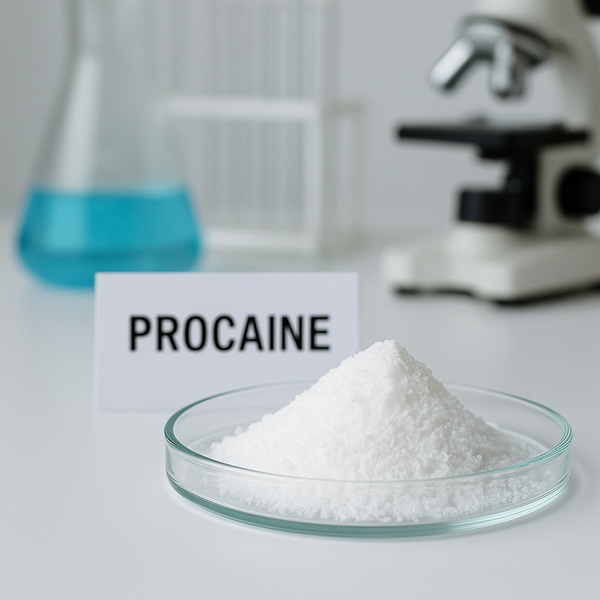
Procaine, chemically known as para-aminobenzoic acid 2-diethylaminoethyl ester, is a white, odorless crystalline powder widely used as a local anesthetic. Discovered in the early 20th century, its fast-acting numbing effect is utilized in various medical settings, most notably dental procedures.
Typical properties include:
- White crystalline appearance
- Slightly bitter taste
- Solubility in water and alcohol
- pH balanced for safe tissue application
- Medical Field: Local anesthesia, dental procedures, minor surgeries.
- Research: Study of nerve functions, experiments in neurobiology.
- Pharmaceutical Manufacturing: Ingredient in formulations of anesthetic creams, injections, and gels.
- Cosmetics: Inclusion in topical products for its soothing and numbing properties.
The purity and consistency of procaine powder directly impact its effectiveness and safety. Substandard raw material can lead to health risks, compromised product efficacy, and legal complications.
- Adverse health reactions
- Loss of regulatory approval for products
- Product recalls and reputational damage
- Legal sanctions
To mitigate these risks, selecting reputable suppliers and verifying their compliance with global standards is essential.
China serves as one of the world's leading hubs for pharmaceutical and fine chemical production. Several certified factories specialize in procaine powder for export, offering end-to-end OEM/private label customization services.
- Competitive Pricing
- Large-scale Production Capacity
- Customization for OEM/ODM
- Full Certification (GMP, ISO, COA, MSDS)
- Global Logistics Support
A reputable Chinese manufacturer can provide services to international brand owners, distributors, and pharmaceutical and cosmetic manufacturers, ensuring quality, scalability, and compliance.
International raw material distributors often maintain stocks of procaine powder, catering to laboratories, compounding pharmacies, and OEMs. These distributors are usually registered with health authorities in their respective regions.
Key distributors include well-known companies in the pharmaceutical sector who supply research-grade and pharmaceutical-grade chemicals, ensuring verified quality and documentation.
Global trading platforms connect buyers and suppliers directly. On platforms like Alibaba.com and Made-in-China.com, verified suppliers of API (Active Pharmaceutical Ingredients) frequently offer procaine powder for bulk purchase.
- Access to multiple suppliers
- Buyer protection mechanisms
- International shipping options
- Choose “Gold Suppliers” or “Verified Suppliers”
- Request samples and Certificates of Analysis (COA)
- Validate company history and export experience
These platforms provide transparency but require due diligence to verify supplier credibility and product authenticity.
Some countries allow the regulated purchase of procaine powder from licensed pharmacies or scientific supply stores, mainly for laboratory and research use.
- Quantity restrictions and licensing requirements may apply.
- It is often limited to controlled environments or institutional buyers.
Ensure the supplier provides documents such as:
- GMP (Good Manufacturing Practice) Certificate
- ISO 9001 Quality Management Certificate
- COA (Certificate of Analysis)
- MSDS (Material Safety Data Sheet)
- Valid business license
These documents guarantee suppliers meet international quality and safety standards, providing assurance of the product's legitimacy.
Choose a supplier with a strong background in pharmaceutical-grade products, automated production lines, and quality control laboratories. A company investing in research and development can customize the compound to specific requirements and maintain consistency batch-after-batch.
Before placing a bulk order, request a laboratory sample for independent testing. Essential tests include:
- Purity (using HPLC, GC-MS)
- Heavy metals screening
- Residual solvents detection
- Microbial contamination analysis
This step verifies the product's quality prior to investment.
Pharmaceutical raw materials must be packaged securely—typically in airtight double-poly bags inside drums—to avoid contamination and degradation. Climate-controlled storage and transport conditions are critical to maintaining product integrity. Shipping arrangements should include complete and accurate documentation for customs clearance and regulatory compliance.
The legal status of procaine varies by country. In some regions, it is a controlled substance; in others, it is available only by prescription or restricted to licensed entities.
Key points to consider:
- Regulatory Status: Some countries regulate procaine as a prescription drug or controlled chemical.
- Import Documentation: Import permits, end-user certificates, or special licenses may be required.
- Pharmacopoeia Compliance: Pharmaceutical-grade procaine must meet local and international pharmacopoeia standards (USP, EP, BP, CP).
Buyers should always verify the regulatory environment of their country and ensure compliance with import/export laws before ordering procaine powder.
1. Identify Requirements: Understand your country's laws on importation and use of procaine powder.
2. Find Trusted Suppliers: Shortlist manufacturers or distributors with proven compliance records and reputable service.
3. Request Samples: Perform quality checks to ensure the product meets your standards.
4. Negotiate Terms: Clarify pricing, minimum order quantity, lead times, warranty, and after-sales service.
5. Arrange Documents: Secure all necessary paperwork such as COA, MSDS, import licenses, and commercial invoices.
6. Organize Shipping: Work with logistics providers experienced in pharmaceutical freight to handle customs and delivery safely.
7. Inspect Upon Arrival: Conduct final quality assessment and document verification before acceptance and distribution.
This structured approach minimizes risks in procurement and ensures seamless operations.
Procaine powder serves a diverse range of industries:
- Medical & Dental: Used as a local anesthetic during surgeries, dental procedures, and post-operative pain relief. Buyers include hospitals, dental clinics, and surgical centers.
- Pharmaceuticals: Serves as a starting material for anesthetic drugs delivered in creams, injections, and gels. Drug manufacturers require high purity API conforming to pharmacopoeia standards.
- Laboratories & Research: Used in neurobiology and pharmacology studies to explore nerve function and anesthetic mechanisms. Academic and private research institutions are typical buyers.
- Cosmetic Industry: Incorporated in soothing and numbing topical formulations such as anti-irritants and tattoo creams sold by cosmetic brands.
- Veterinary Medicine: Applied in animal surgeries and pain management by veterinary clinics and hospitals.
The broad application spectrum highlights the importance of reliable supply chains for procaine powder.
Procaine powder should be stored in a cool, dry place away from direct sunlight and humidity. Improper storage can degrade the compound, reducing efficacy and safety. It is crucial for warehouses and distributors to maintain optimal environmental controls.
Many reputable OEM manufacturers offer tailored packaging solutions suitable for retail, wholesale, or industrial use. Customization can include:
- Child-resistant packaging
- Tamper-evident seals
- Branded labels with regulatory information
- Different unit sizes
These services enhance product marketability and compliance.
The price of procaine powder depends on several factors:
- Purity and grade (pharmaceutical vs. research grade)
- Supplier origin and certification
- Order volume and customization needs
- Shipping destinations and logistics costs
Bulk purchases and OEM agreements often secure better pricing, but quality should never be compromised in favor of cost.
Recent pharmaceutical and cosmetic trends focus on safer, biodegradable, and more efficient anesthetic agents. Suppliers investing in green chemistry and process optimization provide competitive advantages. Buyers should inquire about the supplier's sustainability practices and innovation roadmap.
Purchasing procaine powder safely and efficiently requires careful supplier selection, strict quality assessment, and adherence to legal and regulatory frameworks. OEM manufacturing partners in China, internationally recognized raw material distributors, and reputable B2B trading platforms serve as the best sources for authentic procaine powder.
Always prioritize suppliers with full certification, transparent quality control, and robust logistic networks. When importing, maintain diligent documentation to comply with regulations and protect your business.
By arming yourself with the knowledge of industry standards, compliance requirements, and procurement best practices outlined in this guide, you can confidently secure procaine powder to meet your enterprise's medical, research, or industrial needs.
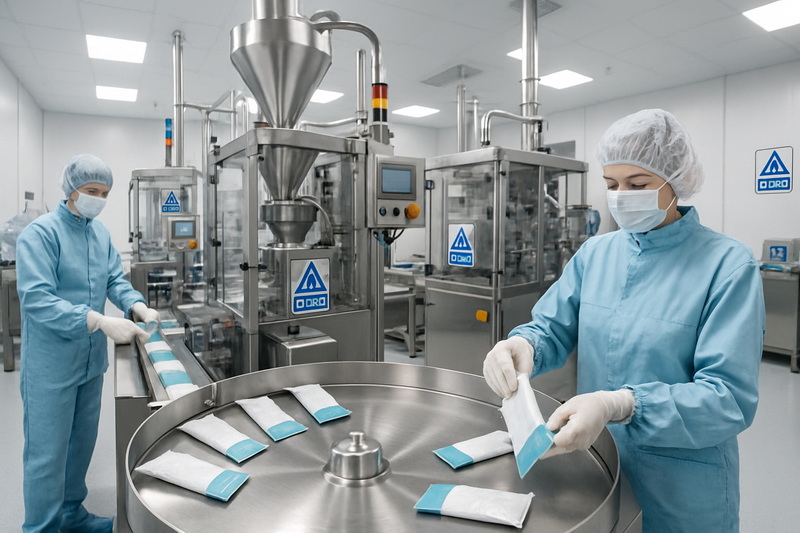
Most manufacturers and distributors set their MOQ between 1kg and 25kg. Larger quantities may be required for OEM orders or customized packaging setups, depending on the supplier's policies.
Importing procaine for personal use is often restricted or illegal without proper prescription or permits. Unauthorized import can lead to confiscation and legal penalties. It is generally recommended to procure procaine powder only through licensed professional or institutional channels.
Purity is verified through analytical testing such as High-Performance Liquid Chromatography (HPLC) or Gas Chromatography-Mass Spectrometry (GC-MS). Request third-party laboratory reports or conduct in-house testing prior to purchase to ensure product meets specifications.
Yes, many reputable Chinese manufacturers and suppliers offer OEM and ODM services, including customized packaging, branding, and formulation adjustments to fit your market requirements.
Shipping times can vary from 7 to 30 days depending on the supplier's location, shipping method (air or sea freight), customs clearance, and destination country processes. Air freight is faster but costlier; sea freight is slower but more economical for large volumes.