Content Menu
● Procaine Uses in Modern Medicine
● Is it Legal to Buy Procaine?
>> Global Regulatory Environment
● Where and How Can You Buy Procaine?
>> Individual or Researcher Access
● Choosing a Procaine Supplier: Key Considerations
● Importing and Licensing Procedures
● Safety Considerations and Handling
>> Industrial and Laboratory Handling
● Extended Applications and Emerging Trends
● FAQ
>> 1. Is procaine available for over-the-counter purchase?
>> 2. How can international companies import procaine from China?
>> 3. Are there health risks associated with procaine?
>> 4. Is procaine still widely used in modern medicine?
>> 5. Can I customize procaine formulations and branding for my market?
Procaine, a well-known local anesthetic commonly used in medical, dental, and veterinary procedures, has been a cornerstone of pain management for nearly a century. Originating as a synthetic substitute for cocaine during the early 20th century, procaine remains relevant today not only for its anesthetic properties but also for its role in pharmaceutical manufacturing and research.
If you are an overseas brand owner, wholesaler, or manufacturer seeking to procure procaine or develop private-label products through OEM services, understanding how to buy procaine legally and effectively is critical. This comprehensive article explores the nature of procaine, its applications, regulatory landscape, sourcing strategies, supplier considerations, safety measures, and more. Designed for businesses involved in biotechnology, pharmaceuticals, and medical devices, it offers actionable insights for entering or expanding in this market.

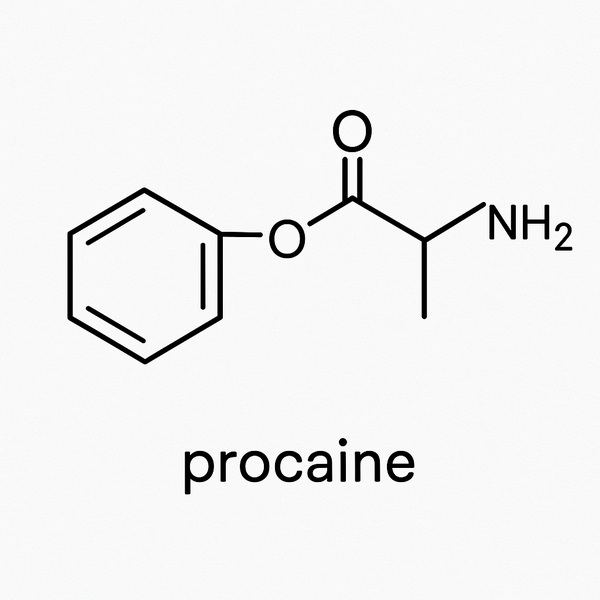
Procaine is an ester-type local anesthetic with the chemical formula C₁₃H₂₀N₂O₂. It is well-known under brand names such as Novocaine. Working by blocking sodium channels in nerve cells, procaine temporarily halts nerve signal transmission, resulting in loss of sensation in localized areas. Its relatively short onset and duration make it particularly suitable for minor surgical and dental procedures.
Though newer anesthetics with improved safety profiles and prolonged effects have largely supplanted procaine, its unique properties still render it valuable in specific clinical and industrial scenarios.
Procaine has a broad range of medical applications:
- Local Anesthesia: Predominantly used in dentistry and minor surgeries to numb tissue at the injection site.
- Peripheral Nerve Blocks: Applied for targeted anesthesia of limb regions.
- Spinal Anesthesia: Employed in some spinal block procedures.
- Sympatholytic Therapy: Occasionally used to treat certain pain disorders by modulating nerve signaling.
Typical use cases include dental extractions, minor skin excisions, pain management clinics, and some veterinary applications. Despite the availability of lidocaine and other anesthetics, procaine remains preferred in some settings due to its lower systemic toxicity and historic familiarity.
The legality of purchasing procaine varies widely depending on jurisdiction:
- Prescription Regulation: In many developed countries including the USA, the European Union, Canada, Australia, and others, procaine is classified strictly as a prescription-only medicine. Only licensed healthcare providers may administer or dispense it.
- Business and Industrial Purchase: Pharmaceutical manufacturers, wholesalers, and research institutions may acquire procaine in bulk under strict regulatory licenses and certifications. This includes compliance with Good Manufacturing Practices (GMP), valid import/export documentation, and adherence to local drug control laws.
- Veterinary Use: Procaine is frequently used in veterinary medicine with slightly different regulatory oversight.
Strict importation laws govern procaine due to its status as a controlled pharmaceutical ingredient. For example:
- In the United States, the Food and Drug Administration (FDA) regulates all procaine products, and importers must have necessary permits and registration.
- European countries typically regulate procaine as a pharmaceutical precursor, necessitating compliance with the European Medicines Agency (EMA) and local authorities.
- Asian markets often mirror these controls with national drug regulatory agencies issuing specific licenses.
Failure to comply with these regulations can result in seizure, fines, or criminal prosecution. Prospective buyers must ensure full compliance with import/export laws.
If you are a commercial buyer such as a brand owner, wholesaler, or manufacturer, especially those interested in OEM solutions, China represents one of the primary global sources for high-quality procaine. Numerous pharmaceutical manufacturers maintain GMP-certified facilities and export procaine hydrochloride to global markets, supporting tailored packaging and private labeling.
Typical steps to purchase procaine include:
- Verifying supplier certifications such as GMP compliance, COA (Certificate of Analysis), and MSDS (Material Safety Data Sheet).
- Submitting business registration, intended use documentation, and import licenses.
- Negotiating terms of delivery, minimum order quantities (MOQs), and quality guarantees.
- Coordinating logistics including customs clearance and regulatory compliance at destination.
Popular platforms for sourcing include dedicated B2B marketplaces and direct contact with Chinese pharmaceutical OEM factories.
For individuals or researchers, purchasing procaine is significantly restricted:
- Retail sales without prescription are generally prohibited.
- Research-grade procaine may be available via specialized chemical suppliers but usually requires proper registration and license verification.
- Online direct purchase by unlicensed persons is often illegal.
Many Chinese factories offer extensive OEM services:
- Custom dosage forms (e.g., injection solutions, powders).
- Private label packaging design and printing.
- Support for regulatory filings and documentation required by importing countries.
- Flexible batch sizes catering to small startups as well as large multinational clients.
This allows international partners to bring differentiated procaine-based products to their markets.
Selecting the right procaine supplier is crucial to ensure product quality, legal compliance, and timely delivery. Key criteria include:
- GMP Certification: Ensures consistent manufacturing standards.
- Product Purity and Documentation: Full traceability, Purity >99%, and proper quality control certificates.
- Regulatory Licensing: Ability to export procaine legally to your jurisdiction.
- Transparent Supply Chain: Open communication, verifiable references, and good customer service.
- MOQ & Delivery Timeline: Suitability to your business scale and sales forecasts.
- OEM Capabilities: Offering private labeling, formulation assistance, and regulatory specialist support.
Due diligence through audits, sampling, and third-party quality testing is advisable.
Successful importation of procaine requires multi-step compliance:
- Confirm that the procaine supplier holds valid export licenses and product registrations.
- Prepare import permits and registrations according to your country's drug and chemical control regulations.
- Compile necessary documentation including COAs, MSDS, certificates of origin, and shipment invoices.
- Work with customs brokers experienced in pharmaceutical imports.
- Collaborate closely with your supplier on labeling, batch coding, and audit readiness.
Many Chinese OEM suppliers support this process by providing regulatory consulting and tailored documentation.
- Procaine must only be administered by certified medical professionals to avoid risks.
- Possible adverse reactions include local allergic responses, systemic side effects like arrhythmias, and rare severe hypersensitivity.
- Proper dosage and monitoring are critical.
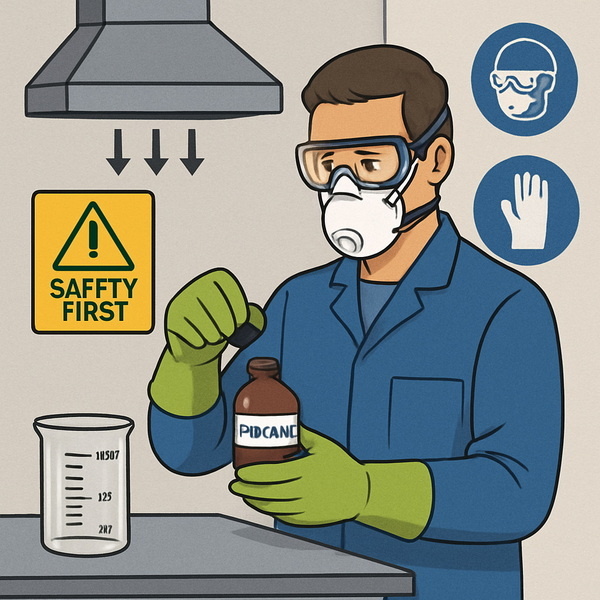
- Use appropriate personal protective equipment (PPE) such as gloves and goggles.
- Avoid dust inhalation and maintain good ventilation in handling areas.
- Store procaine in controlled environments to prevent degradation.
- Emergency protocols should be in place for accidental exposure.
Strict adherence to safety data sheets and local regulations is mandatory.
Beyond traditional uses, procaine has gained attention in areas such as:
- Pharmaceutical Research: As a precursor chemical for developing novel anesthetic compounds.
- Cosmetic Procedures: Occasionally in aesthetic medicine for localized nerve blockade.
- Veterinary Medicine: Widely used for regional anesthesia in animals.
- Pain Management and Alternative Therapies: Investigated for roles in modulating nerve pain beyond anesthesia.
Advances in formulation technology allow OEM factories to create innovative products using procaine as a base ingredient, tailored for emerging markets.
Procaine remains a vital compound with a well-established place in medical, veterinary, and pharmaceutical industries. While widespread availability to the general public is heavily restricted due to regulatory classification, businesses, wholesalers, and manufacturers can legally buy procaine by navigating appropriate licensing, importing, and sourcing channels. China's pharmaceutical sector provides reliable OEM partners delivering high-quality procaine with customizable options that cater to diverse international market demands.
Responsible procurement—ensuring adherence to GMP standards, regulatory compliance, and safety measures—is essential for successful market entry and sustained operations. For overseas companies aiming to expand or establish procaine-related products, understanding these aspects and collaborating with qualified suppliers like supplybenzocaine.co.uk will be fundamental.
No. In the majority of countries, procaine is regulated as a prescription-only medication. Only licensed healthcare professionals or registered businesses involved in pharmaceutical production, research, or veterinary care can purchase it legally.
Importers must verify supplier export qualifications and fulfill their own country's import licensing requirements. Providing business registration, intended use documentation, and compliance certificates are usually necessary. Working with experienced Chinese OEM suppliers facilitates smooth regulatory compliance.
When used correctly under medical supervision, procaine is generally safe. However, improper administration can cause allergic reactions, cardiovascular complications, or rare systemic toxicity. Industrial handling also requires precautions such as PPE and controlled environments to prevent exposure risks.
Although largely supplanted by newer anesthetics like lidocaine, procaine remains in use for specific dental procedures, veterinary applications, and regional anesthesia where its properties offer advantages.
Yes. Many Chinese OEM manufacturers offer private-labeling, customized formulations, and packaging solutions to meet the unique requirements of different international markets, including full support with regulatory paperwork and quality assurance.
Hot tags: Can I Buy Procaine Online, Is Procaine Available For Purchase, Procaine Buying Guide, Where Can You Buy Procaine, Buy Medical Procaine, Purchase Procaine Legally, Can You Get Procaine Without Prescription, Procaine Supplier Information, Buy Procaine Safely, Is Procaine Over The Counter