Content Menu
● Overview of soluble paracetamol and its value to OEMs
● Regulatory landscape and quality assurance
● Sourcing and partner qualification
● Formulation and excipient considerations
● Packaging strategy and customization
● Manufacturing and quality control processes
● Supply chain resilience and risk mitigation
● Practical guidance for international buyers
● Media, communications, and accessibility
● Global market considerations
● Quality assurance and supplier collaboration
● Case studies and examples (illustrative)
● How to initiate a partnership
● FAQ
>> 3) What packaging and labeling considerations should be planned for multi-region launches?
>> 4) What steps are involved in initiating a pilot batch for private-label production?
>> 5) How can private-label partners ensure supply chain resilience and continuity of supply?
Soluble paracetamol plays a critical role in modern pharmaceutical and consumer-health formulations by enabling rapid dissolution and versatile dosage forms. For brands seeking OEM partnerships, this article maps the landscape of soluble paracetamol supply, highlights formulation and packaging considerations, and outlines due-diligence steps to identify a partner capable of delivering consistent quality, regulatory compliance, and scalable private-label solutions. This guidance is tailored for international brands, wholesalers, and manufacturers looking to collaborate with a Chinese OEM partner with capabilities in biotech, pharmaceutical, and medical devices.
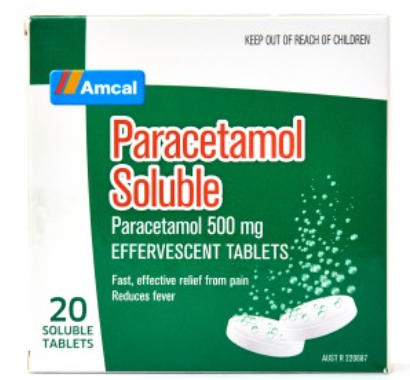
Soluble paracetamol encompasses acetaminophen products designed for fast hydration, rapid onset, and flexible administration. Formats commonly used by OEMs include rapidly dissolving tablets, effervescent tablets, dispersible powders, sachets for single-dose reconstitution, and ready-to-drink solutions. Each format presents unique challenges and opportunities in terms of excipient selection, flavor masking, taste considerations, stability, and regulatory labeling. For international buyers, the ability to customize dosage forms, packaging, and regulatory documentation is a decisive differentiator when selecting an OEM partner. This versatility supports markets with diverse healthcare systems, dosing preferences, and patient populations.
Paracetamol APIs and finished formats are subject to pharmacopoeial standards (for example USP/EP/JP) and regional regulatory requirements. OEM partners should implement robust quality assurance (QA) and quality control (QC) systems, including validated manufacturing processes, detailed batch records, COA traceability, and comprehensive impurity profiles. Regular internal audits and third-party certifications (GMP, ISO, EHS) help mitigate regulatory risk and enhance supplier credibility in global supply chains. Clear labeling, warnings, dosage guidance, and allergen declarations aligned with target markets are essential for successful regulatory submissions and market acceptance.
To build a resilient supply chain for soluble paracetamol, buyers typically pursue a two-pronged strategy: (1) API manufacturers with GMP credentials and scalable production capacity, capable of supplying high-purity acetaminophen in multiple grades; (2) finished-product manufacturers offering private-label soluble paracetamol dosage forms with comprehensive regulatory support and packaging customization. When evaluating potential partners, seek transparent COAs, stability data, validation reports for dissolution and disintegration, and evidence of regulatory readiness for intended markets. Pilot-scale capabilities and the ability to accommodate private-label branding are especially valuable for international clients.
Selecting the right excipients and formulation strategy is essential for performance, taste, and stability. Common excipients include disintegrants, binders, effervescent agents (for fizzy formats), sweeteners, flavors, colorants, and anti-caking agents. For dispersible or chewable formats, taste masking becomes a critical design criterion; for effervescent formats, effervescent acids and bicarbonates must be balanced to deliver reliable dissolution while preserving tablet integrity. Compatibility testing with packaging materials and closure systems prevents moisture ingress and maintains shelf life. Close collaboration with the OEM on preformulation studies, dissolution testing, and accelerated stability studies supports robust product development and reduces time-to-market risk.
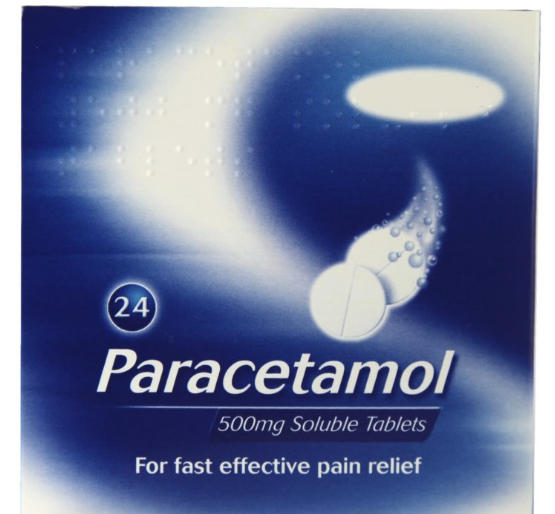
OEMs should offer a range of packaging configurations suited to international markets, including blister packs, sachets, high-density HDPE bottles, and single-serving pouches. Private-label branding can incorporate regional language requirements, labeling fonts, regulatory symbols, and safety information. Tamper-evidence features, child-resistant closures where required, and clear, multi-language instructions enhance consumer confidence and compliance. Packaging validation should address moisture protection, light sensitivity, and compatibility with the chosen dosage form to ensure product integrity throughout the distribution chain.
For soluble paracetamol, manufacturing workflows typically involve careful control of particle size, moisture content, and blend homogeneity. Processes may include wet granulation, milling, drying (such as fluidized bed drying), sifting, blending, and tablet compression, followed by encapsulation or packaging. In-process controls at each step—blend uniformity, tablet weight and hardness, disintegration and dissolution tests—help ensure batch-to-batch consistency. A robust COA program should accompany every batch, detailing assay results, impurity profiles, moisture content, dissolution data, and packaging integrity. Continuous improvement practices, trend analysis, and CAPA (Corrective and Preventive Action) procedures contribute to sustained product quality.
Global supply chains face volatility from raw material pricing, geopolitical shifts, and regulatory changes. Building resilience involves qualifying multiple API and finished-product suppliers, negotiating long-term contracts with price adjustment mechanisms, and implementing supplier-diversification strategies. Logistics considerations include appropriate Incoterms, lead times, and visibility across sourcing, production, and distribution. A proactive approach to risk assessment—covering quality deviations, regulatory changes, and potential disruptions—supports reliable availability of soluble paracetamol across markets.
- Conduct rigorous due diligence: Verify GMP certificates, production capacity, on-time delivery history, and experience with private-label programs across multiple regions. Assess a supplier's regulatory track record and post-market support capabilities.
- Define clear product specifications: Establish target dosage form, dissolution profile, potency range, acceptable impurity thresholds, and packaging requirements. Share these specs early to align development timelines and QA expectations.
- Plan a pilot program: Propose a small-scale trial batch to validate formulation, dissolution, taste masking (if applicable), packaging fit, and regulatory labeling before committing to full-scale production.
- Align with regional regulatory needs: Prepare labeling and safety information in local languages, ensure compliance with regional pharmacopoeias, and anticipate documentation needs for registrations or notifications.
- Prioritize ongoing support: Look for partners offering technical support, stability monitoring, and a clear process for deviations, recalls, or batch-specific investigations.
For long-form articles, media enriches reader engagement. Plan a media strategy that integrates:
- A hero visual illustrating soluble paracetamol formats and delivery routes.
- Close-up images showing different formats (effervescent tablets, dispersible tablets, soluble powder).
- Infographics detailing solubility mechanics, dissolution timelines, and QA checkpoints.
- Brief, captioned videos explaining formulation concepts, QA workflows, and a tour of OEM production lines.
Ensure accessibility through alt text for all images and transcripts for videos, improving searchability and user experience. Media should be hosted on a reliable content delivery network to optimize load times for international audiences.
Markets differ in preferred dosage forms, regulatory labeling, and packaging expectations. For example, some regions favor chewable or dispersible formats for pediatric use, while others emphasize blister-pack packaging for older populations. An OEM partner capable of offering multiple formats and scalable production helps brands tailor products to diverse markets while maintaining consistent quality across regions.
A strong QA relationship is foundational to successful outsourcing of soluble paracetamol. Establish clear communication channels, defined sampling plans, and joint responsibility for corrective actions when deviations occur. Regular performance reviews, on-site audits, and continuous improvement initiatives foster trust and long-term collaboration.
- Case Study A: An API supplier with GMP certification provides acetaminophen API in multiple grades, supporting private-label dispersible tablets and effervescent formats for pediatric and adult markets, with full regulatory documentation and a responsive technical support team.
- Case Study B: A finished-product OEM offers turnkey private-label soluble paracetamol formulations, handling dissolution testing, packaging customization, and regulatory submissions across several regions, reducing time-to-market for international brands.
- Case Study C: A blended capability partner delivers both API and finished-product solutions, enabling end-to-end QA, serialization-friendly packaging, and ongoing stability monitoring for global brands.
1) Prepare a detailed product brief outlining intended dosage forms, target markets, packaging formats, and regulatory goals.
2) Compile required documentation: GMP certificates, CoA templates, process validation data, and stability studies.
3) Request a pilot formulation and a small-scale production run to verify critical parameters before committing to full-scale production.
4) Establish a long-term supply agreement with clear terms on price protection, lead times, and contingency planning.
5) Set up ongoing performance reviews and joint quality improvement plans to sustain excellence over time.
Choosing the right soluble paracetamol supplier for OEM partnerships involves aligning quality systems, regulatory readiness, packaging flexibility, and reliable logistics with the brand's international strategy. A careful supplier evaluation, coupled with pilot-scale validation and transparent private-label capabilities, reduces risk while accelerating time-to-market for global healthcare brands. By collaborating with an experienced Chinese OEM partner with expertise in biotech, pharmaceutical manufacturing, and medical devices, brands can achieve consistent product quality, scalable production, and tailored packaging solutions that meet diverse regulatory landscapes. If exploring private-label soluble paracetamol formulations and OEM arrangements, initiate contact to discuss formulations, packaging needs, and regional regulatory requirements. A confidential pilot project can set the stage for a trusted, long-term collaboration.
- Formats:
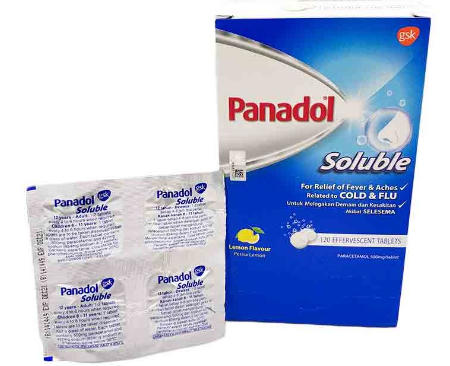
- Soluble/effervescent tablets: Dissolve in water to form a ready-to-drink suspension or solution; common for adults and pediatrics requiring rapid onset and convenient dosing.
- Dispersible tablets: Break down quickly in water to create a slurry or suspension suitable for those who have swallowing difficulties.
- Soluble powders or granules (reconstitution): In sachets or bottles, mixed with water or a beverage; ideal for flexible dosing and pediatric applications.
- Ready-to-drink solutions: Pre-mixed liquids for immediate consumption; used in clinical settings or consumer health products where speed and ease are critical.
- Typical use cases:
- Private-label OTC analgesic products for broad consumer markets.
- Pediatric formulations requiring taste masking and accurate, easy-to-measure dosing.
- Healthcare settings needing rapid onset and convenient administration.
- Formulations combined with other active ingredients (e.g., multiformulations) for targeted relief profiles.
- Regions with regulatory preferences for specific dosage forms or packaging formats.
- Notes: Each format demands tailored excipient systems (disintegrants, binders, effervescent agents, flavorings, moisture barriers) and specific packaging to maintain stability and regulatory compliance.
- Regulatory readiness:
- Verify alignment with target pharmacopoeias (USP/EP/JP or region-specific standards) and confirm clear labeling requirements for each market.
- Review documentation readiness: COA with assay and impurity profiles, stability data, registration/approval support, and product labeling samples in local languages.
- Assess whether the supplier has dedicated regulatory affairs support to handle submissions, variations, and post-market requirements.
- QA capabilities:
- Examine GMP certifications, internal QA/QC procedures, and validated manufacturing processes for consistency.
- Check batch records traceability, in-process controls, and robust deviation/CAPA handling.
- Confirm routine third-party audits, supplier qualifications, and environmental/EHS standards.
- Request example COAs, recent audit reports, and evidence of successful regulatory registrations in at least the target regions.
- Packaging considerations:
- Choose formats compatible with regional distribution (blisters, sachets, bottles, or single-serving pouches) and ensure moisture and light protection appropriate for the product form.
- Include tamper-evidence features and child-resistant options where required, based on local regulations and consumer safety expectations.
- Plan for multi-language, region-specific packaging artwork to meet local regulatory and consumer needs (warnings, dosage instructions, storage conditions).
- Labeling considerations:
- Ensure accurate dosage information, active ingredient listing, excipient disclosures, and allergen statements compliant with each jurisdiction.
- Include recommended dosage ranges, age guidelines, contraindications, and overdose warnings tailored to the target market.
- Provide QR codes or serialization elements where applicable for traceability and post-market surveillance.
- Ensure nutritional or excipient content and sodium content disclosures meet regional requirements when applicable (especially for soluble/effervescent formats).
- Step-by-step process:
- Define specifications: Finalize dosage form, dissolution/disintegration targets, potency range, and acceptable impurity thresholds; confirm packaging and labeling requirements.
- Source and confirm materials: Obtain COA for the active ingredient and all excipients; verify supplier GMP status and lot traceability.
- Develop a pilot formulation: Create a small-scale batch using defined process parameters; perform pre-formulation and stability assessments.
- Conduct QA testing: Run dissolution, disintegration, uniformity, hardness, moisture, and impurity assays; compare against target specs.
- Packaging trial: Produce a limited run of packaging configurations to verify filling, sealing, labeling, and tamper-evidence.
- Regulatory alignment checks: Validate labeling languages, regulatory claims, and any required registrations for the intended markets.
- Review and decision: Analyze results with stakeholders; if criteria are met, approve scale-up; if not, implement CAPA and adjust formulation or process.
- Diversify sources:
- Qualify multiple API suppliers and multiple finished-product manufacturers to reduce single-source risk.
- Establish long-term supply agreements with price protection clauses and clear lead-time expectations.
- Inventory and logistics:
- Maintain safety stock levels for critical materials and finished products based on demand forecasting and market expansion plans.
- Use transparent logistics partners with track-and-trace capabilities; define Incoterms and clearance requirements for key regions.
- Quality and compliance continuity:
- Implement shared QA dashboards, regular joint audits, and CAPA programs to promptly address deviations.
- Establish a rapid change notification system for regulatory updates, formulation changes, or packaging updates, preserving product integrity and compliance.
- Documentation and IP protection:
- Ensure robust non-disclosure agreements and clearly defined IP terms for private-label formulations and packaging designs.
- Contingency planning:
- Develop contingency plans for supply disruptions (alternative routes, carrier options, and approved alternate suppliers) to minimize downtime.
[1](https://environmentclearance.nic.in/writereaddata/Online/TOR/0_0_25_Feb_2016_1108554031AnnexureManufacturing&EffluentTreatmentProcess.pdf)
[2](https://patents.google.com/patent/CN114533693B/en)
[3](https://www.scribd.com/doc/118767676/Manufacture-of-Paracetamol)
[4](https://patents.google.com/patent/US8216610B2/en)
[5](https://www.rsc.org/suppdata/books/184973/9781849739634/bk9781849739634-chapter%203.1.pdf)
[6](https://www.uoanbar.edu.iq/eStoreImages/Bank/8489.pdf)
[7](https://www.lifescienceintellipedia.com/blog/manufacturing-process-of-paracetamol/)
[8](https://www.slideshare.net/slideshow/production-of-paracetamol-acetaminophen/77422422)
Hot tags: Buy Soluble Paracetamol Online, Where to Purchase Paracetamol, Soluble Paracetamol Near Me, Best Place to Buy Paracetamol, Paracetamol Soluble Tablets Purchase, Buy Effervescent Paracetamol, Affordable Soluble Paracetamol, Paracetamol Online Pharmacy, Fast Delivery Paracetamol, Buy Paracetamol 500mg Tablets