Content Menu
● Applications in Equine Medicine
>> Recommended Dosage Guidelines
● Long-Term Effects of Procaine Use in Horses
● Interaction with Other Medications
● Legal and Ethical Considerations
● FAQs
>> 1. What are the common side effects of procaine in horses?
>> 2. How is procaine administered to horses?
>> 3. Can procaine be used in all horses?
>> 4. What should I do if my horse has a reaction to procaine?
>> 5. Are there alternatives to procaine for pain management in horses?
Procaine is a local anesthetic commonly used in veterinary medicine, particularly in horses. Its effects can be both beneficial and detrimental, depending on the context of its use. This article explores the pharmacological properties of procaine, its applications in equine medicine, potential side effects, and the implications for horse owners and veterinarians.
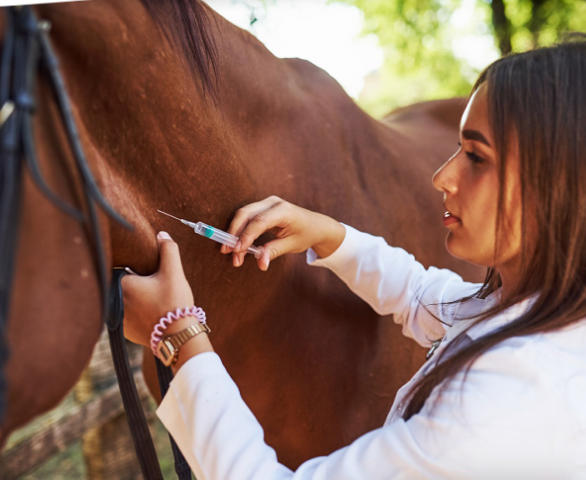
Procaine, chemically known as 2-(diethylamino)ethyl 4-aminobenzoate, is a synthetic local anesthetic that blocks nerve impulses in the area where it is administered. It is often used in combination with penicillin to enhance the drug's efficacy and reduce pain during injections.
Procaine works by inhibiting sodium channels in nerve cells, preventing the transmission of pain signals. This mechanism is crucial in veterinary practices, especially for procedures that may cause discomfort to horses. By blocking these channels, procaine effectively numbs the targeted area, allowing for surgical interventions or other treatments to be performed with minimal pain to the animal.
Procaine is primarily used for:
1. Local Anesthesia: It is effective in numbing specific areas during surgical procedures or treatments. This is particularly important in equine surgery, where precision and pain management are critical.
2. Pain Management: Procaine can alleviate pain associated with injuries or conditions like laminitis. By providing localized pain relief, it helps improve the horse's quality of life and facilitates recovery from various ailments.
3. Performance Enhancement: Some trainers may use procaine to mask pain in racehorses, allowing them to perform despite underlying issues. This practice, however, raises ethical concerns regarding the welfare of the horse and the integrity of the sport.
Procaine is often combined with penicillin to create procaine penicillin, which is used to treat bacterial infections in horses. This combination not only provides antibiotic effects but also reduces the pain associated with the injection. The use of procaine penicillin is common in treating conditions such as respiratory infections, skin infections, and other bacterial diseases in horses.
While procaine can be beneficial, it is not without risks. Some potential side effects include:
- Allergic Reactions: Some horses may experience severe allergic reactions, including anaphylaxis. This can manifest as swelling, difficulty breathing, and other serious symptoms that require immediate veterinary attention.
- Behavioral Changes: Procaine can cause excitability, restlessness, or even aggression in some horses. These behavioral changes can complicate handling and care, especially in a competitive environment.
- Neurological Effects: High doses may lead to ataxia (loss of coordination) and other neurological symptoms. This is particularly concerning in performance horses, as it can affect their ability to compete safely.
Research has shown that horses receiving procaine may exhibit various clinical signs, including:
- Increased Heart Rate: Procaine can stimulate the cardiovascular system, leading to tachycardia. This effect can be particularly pronounced in stressed or anxious horses.
- Muscle Tremors: Some horses may develop tremors or spasms after administration. These symptoms can be distressing for both the horse and the handler.
- Loss of Coordination: Ataxia is a common side effect, particularly with higher doses. This can pose a significant risk during training or competition, as it may lead to accidents or injuries.
The dosage of procaine varies based on the specific needs of the horse and the procedure being performed. Typically, procaine is administered via intramuscular injection, and the dosage must be carefully calculated to avoid toxicity.
- Local Anesthesia: 2-5 mg/kg body weight. This dosage is generally effective for providing localized pain relief during minor surgical procedures.
- Pain Management: Adjusted based on the severity of the condition and the horse's response. Veterinarians may need to modify the dosage based on the individual horse's health status and the specific circumstances of treatment.

The long-term effects of procaine use in horses are not extensively documented, but there are several considerations to keep in mind. Chronic use of procaine, especially in high doses, may lead to cumulative toxicity. This can manifest as persistent behavioral changes, neurological issues, or even organ damage over time.
Veterinarians often recommend monitoring horses that have received repeated procaine injections for any signs of adverse effects. Regular veterinary check-ups can help identify any long-term complications early, allowing for timely intervention. Additionally, horse owners should be vigilant for any changes in behavior or health following procaine administration.
Procaine can interact with other medications commonly used in horses, which can complicate treatment plans. For instance, when used in conjunction with other central nervous system (CNS) stimulants or depressants, procaine may amplify or diminish their effects.
It is crucial for veterinarians to be aware of all medications a horse is receiving to avoid potential drug interactions. This includes over-the-counter supplements and herbal remedies, which may not always be disclosed by horse owners. A comprehensive medication history is essential for safe and effective treatment.
The use of procaine, particularly in racehorses, raises several legal and ethical questions. Many racing organizations have strict regulations regarding the use of performance-enhancing drugs, including procaine. Horses that test positive for procaine in their system may be disqualified from races, leading to significant financial and reputational consequences for owners and trainers.
Ethically, the use of procaine to mask pain in horses can be controversial. While it may allow a horse to perform, it does not address the underlying issues causing the pain. This practice can lead to further injury and suffering, raising questions about the welfare of the animal. The veterinary community is increasingly advocating for the responsible use of medications and prioritizing the health and well-being of horses over competitive success.
Procaine is a valuable tool in equine medicine, offering pain relief and facilitating various procedures. However, its use must be carefully monitored to avoid adverse effects. Horse owners and veterinarians should be aware of the potential risks and benefits associated with procaine administration.
If you are considering procaine for your horse or have questions about its use, please contact us for more information. Our team of experts is here to help you make informed decisions for your equine companions.
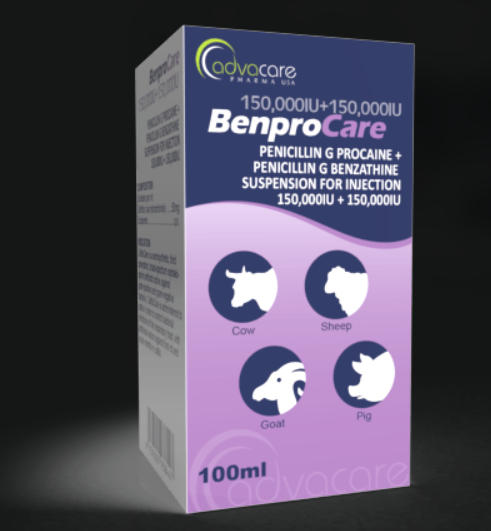
Common side effects include allergic reactions, behavioral changes, and neurological effects such as ataxia.
Procaine is typically administered via intramuscular injection, with dosages adjusted based on the horse's weight and condition.
While procaine is generally safe, some horses may have allergies or sensitivities. Always consult a veterinarian before use.
If your horse exhibits any adverse reactions, contact your veterinarian immediately for guidance and treatment.
Yes, there are several alternatives, including other local anesthetics and pain management medications. Consult your veterinarian for recommendations.
Hot tags: Procaine Effects Horses, Procaine Side Effects Equine, Procaine Use in Horses, Procaine Benzylpenicillin Horses, Procaine Toxicity Symptoms, Procaine Administration Horses, Procaine Behavioral Changes Horses, Procaine Injection Risks, Procaine Pharmacology Horses, Procaine Performance Enhancement Horses