Content Menu
● What is Procaine and Why is it Used in Equine Medicine?
● Understanding Procaine Pharmacology and How Seizures Develop
>> Key Points in Procaine Pharmacology
● Clinical Signs of Procaine Toxicity and Seizures in Horses
>> Early/Mild:
>> Aftereffects
● Mechanisms and Risk Factors of Procaine-Induced Seizures
● How Common Are Procaine-Related Seizures in Horses?
● Differentiating Procaine Reactions from Anaphylaxis or Other Conditions
● Preventive Strategies: Best Practices for Safe Procaine Administration
>> Environmental and Procedural Recommendations
● Emergency Management of Procaine Seizures
● Beyond the Immediate: Broader Impacts and Veterinary Guidance
● Practical Tips for Owners and Caregivers
● Ongoing Research and Outlook
● Frequently Asked Questions (FAQ)
>> 1. What should I do if my horse has a seizure after a procaine penicillin injection?
>> 2. How can I prevent procaine-induced seizures in horses?
>> 3. Are certain horses more sensitive to procaine?
>> 4. How quickly do procaine toxicity signs appear and resolve?
>> 5. Is it possible to switch from procaine penicillin to safer antibiotics?
Procaine, when used correctly in equine medicine, is a valuable local anesthetic and preservative for penicillin G. However, every veterinarian and horse owner should be aware that this drug, though essential, carries specific risks. One of the most serious complications is the potential for procaine to induce seizures and profound neurologic disturbances in horses. This article deeply explores the mechanisms by which procaine causes seizures, details best practices for risk minimization, and offers detailed clinical guidance based on latest veterinary standards and practical field experience.[1][2][3][4][5][6][7]

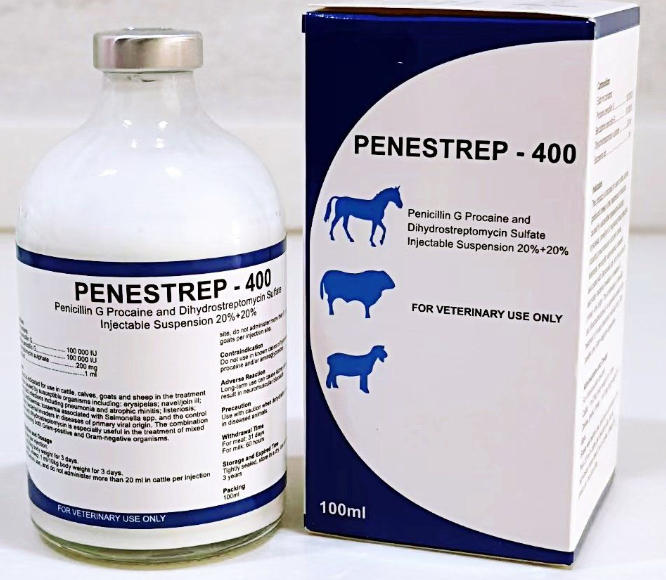
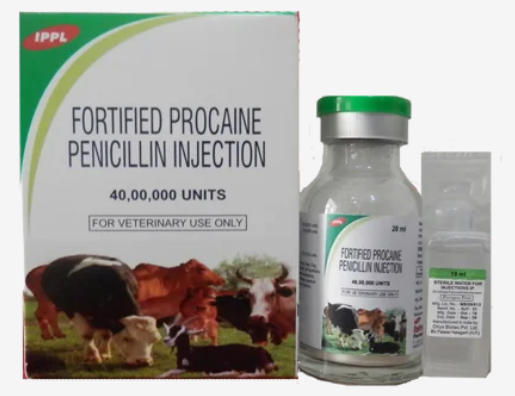
Procaine is an ester-type local anesthetic, commonly accompanied by benzylpenicillin (penicillin G) in the formulation known as procaine penicillin G. Its primary function is to slow the absorption of penicillin from the injection site, ensuring a steady therapeutic concentration in the bloodstream. In the context of equine therapy, procaine penicillin G is a cornerstone drug for bacterial infections, including upper respiratory, orthopedic, and susceptible urinary tract infections.[4][7]
- Treatment for Streptococcus (strangles, respiratory infections)
- Management of susceptible clostridial, urinary, and orthopedic infections
- Used only intramuscularly (IM), never intravenously, to reduce complication risk
While sodium or potassium benzylpenicillin is administered intravenously (IV) for rapid effect, the procaine forms are expressly for IM use due to their unique risk profile.[7][4]
Procaine works as a sodium channel blocker, designed to limit nerve signal transmission at the site of injection. Administered IM, it is absorbed slowly, but should any significant volume enter the bloodstream too rapidly—due to overdose, inflammation, multiple injections into the same site, or accidental IV administration—the following sequence can occur:[5][6][1][4][7]
- High plasma procaine levels cross into the central nervous system.
- Procaine stimulates—rather than depresses—the equine CNS, causing excitatory effects.
- The cascade leads to dramatic hyperexcitability, including frantic behavior, ataxia, and full tonic-clonic or seizure-like activity.
- Procaine is quickly hydrolyzed in the body, which normally limits risk, but rapid high-dose exposure overwhelms the body's metabolic capacities.
- Horses are especially sensitive to CNS excitation from local anesthetics like procaine.
- Enzymatic activity that metabolizes procaine (plasma esterases) varies among individuals and breeds, potentially increasing toxicity risk in susceptible horses.[5][7]
Recognizing these signs is crucial for prompt and appropriate action. The onset is typically rapid (within minutes), and the manifestations proceed as follows:[2][3][6][1][4]
- Hyper-alertness or "spooked," anxious demeanor
- Increased muscle tone or tremors
- Serial sneezing, blowing, or widened eyes
- Disorientation or circling
- Loss of coordination, staggering, or collapsing
- Spinning, frenzied running in place, or scrambling on the ground
- Convulsive movements resembling seizures
- Possible vocalizations, jaw chomping, or "paddling" limb movements
- Temporary unresponsiveness or unconsciousness
Seizure phenomena usually last 2–5 minutes. Most horses regain normal behavior within approximately 5–10 minutes—often before veterinary arrival—but risk of self-injury is high during the event.[6][1]
- Short-term ataxia, agitation, or exhaustion
- Uncommon: head trauma, fractures, myopathy, respiratory distress
- Very rarely: fatal injury, secondary complications, or loss
The primary risk mechanism is accidental IV injection during what is supposed to be an IM treatment. Factors enhancing this risk include:[3][1][4][6][7][5]
- Technique error: not aspirating to check for blood before injecting
- Injections into inflamed or overused sites
- Multiple repeated injections at the same location increasing local vascularity
- Higher-than-recommended dose
- Existing hepatic or metabolic compromise limiting procaine breakdown
- Individual variability in plasma esterase activity (some horses clear procaine more slowly)
- Use of procaine in unapproved ways, like IV, subcutaneous, or intra-articular administration
Notably, these are not allergic reactions—procaine reactions are direct neurotoxic effects, not immune-mediated events.[3][6][7]
The event rate is considered low relative to the total number of IM procaine penicillin administrations. Nevertheless, due to the dramatic and dangerous nature of these reactions, they are a leading safety concern in equine veterinary practice.[2][6][7]
- Studies: The incidence of serious adverse reactions across large horse populations is less than 1%, yet anecdotal reports and surveys indicate mild CNS responses may be underreported.
- Most cases resolve uneventfully; however, some have led to significant self-injury or, occasionally, death.
- Autosomal and breed differences in esterase metabolism may help explain sporadic reports of "highly sensitive" horses.[7]
Veterinary practitioners must quickly differentiate procaine toxicity from allergic (anaphylactic) shock. Key distinguishing features:[4][6][7]
- Procaine toxicity: Excitement, hyperactivity, seizures with or without loss of consciousness, no wheals or generalized swelling, not a true allergy
- Anaphylaxis: Sudden collapse, respiratory distress, urticaria, mucous membrane swelling, can be rapidly fatal, often seen with first or second exposures
- Other: Severe hypoglycemia or head trauma can rarely mimic seizure-like symptoms
Laboratory testing or post-event analysis (drug residue, metabolic profile) may be required in ambiguous cases.
Hundreds of thousands of horses are safely treated with IM procaine penicillin each year, thanks to vigilant adherence to best practices:[1][4]
- ALWAYS inject procaine penicillin G deep IM—never into a vein.
- Aspirate the syringe plunger before injection: if blood appears, change sites.
- Rotate injection sites (neck, gluteal, pectoral) to minimize local irritation.
- Space injections several centimeters apart if large volumes are necessary.
- Allow only trained personnel to administer injectable medications.
- In horses with known procaine sensitivity, utilize non-procaine antibiotic alternatives if possible.
- Keep drugs refrigerated and follow expiration/handling guidelines for stability.[6][2][4][7]
- Use well-lit areas, restrain horses gently, and administer in safe surroundings to prevent injury should a reaction occur.
- Have emergency contact numbers and basic sedative medication on hand for field management by licensed professionals.
- Do not attempt to physically restrain a horse that is seizuring—this poses extreme danger for both the horse and handler.[1][2][6]
- Leave the horse free in a small, secure stall. Do not tie, hobble, or confine tightly.
- Stand clear to avoid being struck or trampled, and observe for return to baseline consciousness.
- Contact your veterinarian immediately, even if the episode resolves quickly.
- Emergency drugs: IV diazepam or other benzodiazepines may be given to control CNS hyperactivity.
- Supportive care: Maintain airway, provide fluids as needed, treat self-inflicted injuries.
- Observation for delayed complications: hepatic, renal, or myopathic sequelae in sensitive individuals.
Most affected horses make a full recovery within 30–60 minutes post-reaction.[9][10]
- Procaine reactions, and the fear thereof, sometimes lead to under-utilization of an otherwise effective, affordable, first-line antibiotic in equine medicine.
- Proper training and evidence-based discussion about risks help balance efficacy with safety, ensuring fewer animals are under- or mis-treated due to fear of rare adverse events.[7]
For horses with histories of severe procaine reaction or those receiving intensive, long-duration antibacterial therapy, the following alternatives may be appropriate:
- Oral potentiated sulfonamides (trimethoprim-sulfamethoxazole)
- IV sodium or potassium benzylpenicillin under hospital conditions
- Advanced broad-spectrum therapy (e.g. with aminoglycosides, cephalosporins) for resistant or mixed infections—always with veterinary oversight.[4]
Use of oral alternatives is preferred whenever appropriate, with IM procaine reserved for clearly indicted cases managed by trained professionals in safe conditions.
- Keep meticulous records of treatments, dosages, and observed responses.
- If in doubt, consult your vet about the suitability of procaine products or for a refresher on injection technique.
- Inform all handlers and barn staff about the steps to take if a horse begins to act erratically after an injection.
New research continues to refine understanding of procaine pharmacology and risk mitigation. Points of current interest include:
- Genetic screening for low esterase activity
- Improved IM injection guides and safety devices
- More consistent reporting and pharmacovigilance for rare adverse events
Professional organizations, such as equine veterinary bodies, regularly update evidence-based guidelines for the safe use of antibiotics—including procaine-containing products.[3][5][7]
Procaine is a highly effective drug when administered with skill and vigilance, but carries a unique and potentially severe risk profile in horses stemming from its capacity to excite the central nervous system, especially when accidental intravenous exposure occurs. Understanding the mechanisms, warning signs, and immediate actions for procaine-induced seizures is essential for every horse owner and veterinarian. Strict adherence to best practices in IM administration, careful monitoring, and prompt supportive care can dramatically reduce both the occurrence and impact of these reactions. For those seeking the best in animal health, including reliable OEM veterinary pharmaceuticals, reach out to our expert team at SupplyBenzocaine.co.uk, your partner of choice for safe and effective equine solutions.
Quickly ensure your own safety, leave the horse loose in a secure area, and do not attempt to physically restrain the animal. Contact your veterinarian immediately; most seizures are short-lived but can cause injury so prompt medical evaluation remains important.[6][1]
Administer procaine strictly via the intramuscular route, always aspirate before injection to avoid the bloodstream, rotate injection sites, and allow only trained personnel to inject medications. Use non-procaine antimicrobials in sensitive or high-risk horses when possible.[4]
Yes. Variability in metabolic enzymes, injection technique, breed, pre-existing health, and site inflammation all affect procaine tolerance in horses. Some individuals, especially those with low plasma esterase activity or on other medications, are at increased risk.[5][7]
Signs usually develop within minutes of injection if procaine enters the bloodstream. Immediate action and professional care are vital, but most horses completely recover 5–30 minutes post-episode, if not severely injured.[2][1]
Yes, but always under veterinary guidance. Some infections require penicillin for optimal treatment. Alternatives like oral potentiated sulfonamides or IV potassium/sodium benzylpenicillin may be used as appropriate. Avoid unnecessary antibiotic use.[4]
[1](https://horsesidevetguide.com/drv/Observation/794/reaction-after-penicillin-im-injection/)
[2](https://horsesidevetguide.com/drv/Diagnosis/1/procaine-penicillin-g-reaction/)
[3](https://beva.onlinelibrary.wiley.com/doi/10.1111/j.1365-2885.2007.00851.x)
[4](https://ohiostate.pressbooks.pub/osuvmcabxuse/chapter/abx_penicillin-equine/)
[5](https://pmc.ncbi.nlm.nih.gov/articles/PMC1859703/)
[6](https://www.sconeequinehospital.com.au/risk-information/specific-antibiotic-risks/)
[7](https://www.sciencedirect.com/topics/agricultural-and-biological-sciences/procaine-benzylpenicillin)
[8](https://www.thomastobin.com/archive/005%20-%20Pharmacology%20of%20Procaine%20in%20the%20Horse%20-%20Pharmacokinetic.pdf)
[9](https://www.msdvetmanual.com/pharmacology/systemic-pharmacotherapeutics-of-the-nervous-system/anticonvulsants-for-treatment-of-animals)
[10](https://www.vet.cornell.edu/departments-centers-and-institutes/riney-canine-health-center/canine-health-information/managing-seizures)
Hot tags: Procaine Seizures in Horses, Procaine Toxicity Symptoms, Horse Medication Risks, Procaine Penicillin Effects, Seizures in Equine Medicine, Central Nervous System Stimulation, Procaine Injection Reactions, Equine Health Concerns, Antibiotics and Seizures in Horses, Procaine Benzylpenicillin Side Effects