Content Menu
● What Are Benzathine Penicillin and Procaine Penicillin?
● Pharmacokinetics: Duration and Serum Concentration Profiles
● Expanded Clinical Uses and Indications
● Injection Sites and Administration Techniques
● Safety, Side Effects, and Precautions
● Manufacturing and Supply Considerations in OEM Context
● Frequently Asked Questions (FAQs)
>> 1. What is the main difference between benzathine and procaine penicillin?
>> 2. Are benzathine and procaine penicillin used for the same infections?
>> 3. Which injection sites are recommended for these penicillins?
>> 4. Can these penicillins be given intravenously?
>> 5. How painful are benzathine and procaine penicillin injections?
Penicillin antibiotics have long been a cornerstone in the treatment of various bacterial infections worldwide. Among the numerous formulations of penicillin G, Benzathine penicillin and Procaine penicillin stand out as frequently used depot forms administered via intramuscular injection. Though both share closely related antibacterial activity, they differ significantly in their pharmacokinetics, duration of action, clinical indications, and administration protocols. This article provides a comprehensive overview of these two penicillin formulations, clarifying their specific clinical roles, dosing strategies, injection sites, and safety considerations. Understanding these differences is crucial for healthcare professionals, pharmaceutical buyers, and manufacturers involved in antibiotic therapies and OEM production.
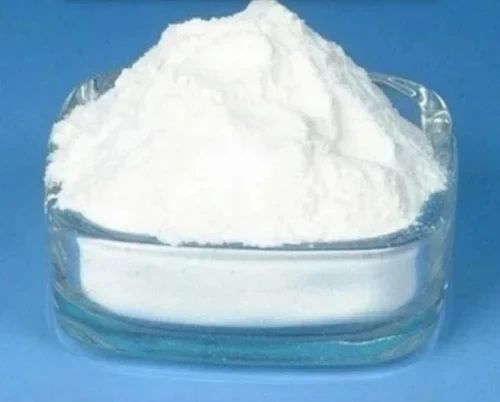
Both benzathine penicillin and procaine penicillin are formulations of penicillin G (benzylpenicillin), a beta-lactam antibiotic that inhibits bacterial cell wall synthesis leading to bacterial cell death. They are designed to maintain therapeutic levels of penicillin in the bloodstream for extended periods through slow absorption after intramuscular injection.
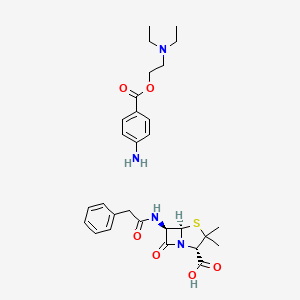
- Benzathine Penicillin consists of penicillin G combined with benzathine salt, a compound that slows absorption significantly. This results in a prolonged low serum penicillin concentration, often lasting up to two to four weeks after a single injection.
- Procaine Penicillin pairs penicillin G with procaine, a local anesthetic that reduces injection pain and moderately slows absorption. Its effect typically lasts about 12 to 24 hours after administration, requiring more frequent dosing.
The salt form and release kinetics define the clinical applications and administration schedules of these two formulations.
Understanding the pharmacokinetics of benzathine and procaine penicillin is critical in selecting the appropriate formulation for treatment.
- Absorption Rate: Very slow from the intramuscular injection site.
- Serum Levels: Produces prolonged serum penicillin levels detectable for approximately 14 to 21 days, sometimes extending to 28 days.
- Peak Concentrations: Achieves a lower peak but maintains penicillin levels above the minimum inhibitory concentration (MIC) for an extended period.
- Administration Dose: Commonly given as a single injection of 1.2 to 2.4 million international units (MIU).
- Clinical Relevance: Ideal for infections requiring sustained low serum drug levels, such as syphilis and rheumatic fever prophylaxis.
- Absorption Rate: Intermediate; slower than aqueous penicillin G but faster than benzathine penicillin.
- Serum Levels: Maintains effective blood levels for 12 to 24 hours, necessitating daily or multiple dosing.
- Peak Concentrations: Higher peak serum concentrations achieved than benzathine penicillin.
- Administration Dose: Typically administered daily as multiple doses, each ranging from 600,000 to 1,200,000 units.
- Clinical Relevance: Appropriate for moderately severe infections that benefit from higher peak levels but shorter duration.
The distinct pharmacokinetics translate into different clinical applications for each formulation, although there is some overlap.
Benzathine penicillin's prolonged-release profile makes it the treatment of choice for:
- Early Syphilis: Effective in primary, secondary, and early latent stages, providing sustained penicillin exposure to eradicate Treponema pallidum.
- Latent Syphilis: Except for neurosyphilis, where different approaches apply.
- Rheumatic Fever Prophylaxis: Long-term injections prevent recurrence by maintaining low penicillin levels.
- Poststreptococcal Glomerulonephritis Prevention: Through continuous suppression of streptococcal infections.
- Group A Streptococcal Infections: Including pharyngitis, reducing rheumatic fever risk.
- Tropical Infections: Such as yaws and pinta, with a single dose often sufficient.
- Prophylactic Use in at-risk populations against repeated streptococcal infections.
Its single or weekly dose regimen improves patient adherence, important in outpatient settings and large population interventions.
Procaine penicillin is more suited for infections requiring moderately sustained therapy with more frequent dosing:
- Moderate to Severe Bacterial Infections: Including skin and soft tissue infections, respiratory infections, and scarlet fever.
- Diphtheria Adjunct Therapy: Helping eliminate Corynebacterium diphtheriae effectively.
- Syphilis Treatment: Including congenital syphilis treatment, although usually requiring multiple daily doses.
- Anthrax Prophylaxis: As adjunctive or follow-up treatment in certain scenarios.
- Other Indications: Various bacterial infections benefiting from sustained blood levels over several days.
Due to its shorter action, procaine penicillin requires adherence to a daily injection schedule, typically administered in a clinical setting or by trained personnel.
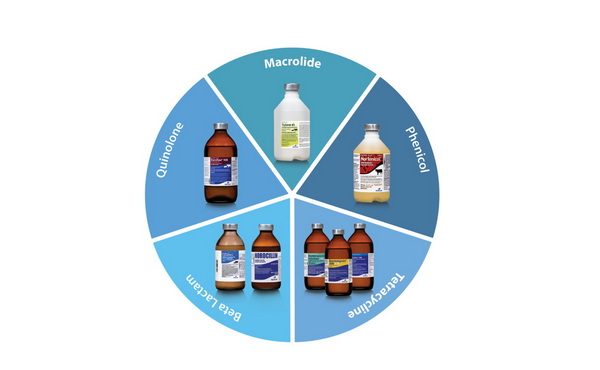
Proper injection technique ensures drug efficacy and minimizes complications.
- Benzathine Penicillin:
- Administered by deep intramuscular injection.
- Preferred site for adults is the upper outer quadrant of the gluteus maximus (buttock) or the ventrogluteal area.
- For children and infants, the lateral mid-thigh muscle (quadriceps) is preferred to avoid sciatic nerve injury.
- Aspiration before injection is critical to avoid inadvertent intravascular administration.
- Procaine Penicillin:
- Also given by deep intramuscular injection.
- Common injection sites include the buttocks and the lateral thigh muscle.
- The addition of procaine reduces injection site pain, making it more tolerable.
The viscous nature of benzathine penicillin suspensions often causes discomfort described as “peanut butter-like,” while procaine's local anesthetic component helps alleviate injection pain. Both require careful injection technique to minimize tissue irritation and pain.
While both drugs are generally safe when administered correctly, awareness of potential adverse effects is essential.
- Injection Site Reactions: Pain, swelling, redness, and induration are common with both drugs, more pronounced with benzathine penicillin due to viscosity.
- Allergic Reactions: Penicillins can cause mild to severe hypersensitivity reactions, including anaphylaxis. A detailed allergy history is vital prior to administration.
- Jarisch-Herxheimer Reaction: An acute inflammatory response commonly seen in syphilis treatment, characterized by fever, chills, headache, and rash worsening shortly after injection.
- Administration Precautions:
- Both benzathine and procaine penicillin must be strictly administered intramuscularly to avoid severe or fatal consequences resulting from intravenous injection.
- Benzathine penicillin is contraindicated for intravenous use due to potential cardiovascular toxicity.
- Procaine penicillin's anesthetic component may cause neural toxicity if injected into or near nerves.
Monitoring patients post-injection for allergic or adverse reactions is recommended, particularly for first-time recipients.
For companies engaged in OEM manufacturing and supply of these critical antibiotics, several factors warrant attention:
- Quality Control: Ensuring consistent potency, sterility, and formulation integrity is vital, given the long-acting and depot nature of both drugs.
- Regulatory Compliance: Adhering to international pharmacopeia standards and local regulatory frameworks ensures market readiness.
- Packaging and Labeling: Appropriate packaging to maintain drug stability and clear labeling to guide healthcare professionals in administration.
- Scalability: Capacity to meet both small batch custom orders and large volume global supply demands.
- Technical Expertise: Knowledge of formulation, sterile processing, and cold chain logistics enhances product efficacy and client satisfaction.
Our factory specializes in the OEM production of benzathine and procaine penicillin, ensuring premium-quality products that comply with international standards, tailored to support overseas brand owners, wholesalers, and manufacturers.
Benzathine penicillin and procaine penicillin, while both forms of penicillin G, serve distinct yet complementary roles in managing bacterial infections through their differing pharmacokinetic profiles. Benzathine penicillin offers prolonged, low-level serum concentrations ideal for long-term infections and prophylaxis with less frequent dosing. In contrast, procaine penicillin provides moderately sustained serum concentrations with the added benefit of local anesthetic action, suitable for daily treatment of moderately severe infections.
Selecting the appropriate penicillin formulation depends on the infection type, required duration of action, patient tolerance, and treatment setting. Both remain indispensable in global antibiotic therapy, especially in resource-limited settings where adherence and dosing frequency are critical considerations.
If you are seeking reliable OEM suppliers specializing in benzathine and procaine penicillin for international markets, our Chinese manufacturing facility offers high-quality, scalable, and compliant production services tailored to your specifications. Contact us to learn how we can support your brand with premium antibiotic solutions.
Benzathine penicillin provides sustained low serum penicillin levels for up to 4 weeks after a single injection, whereas procaine penicillin maintains effective blood levels for only 12 to 24 hours, requiring daily or multiple injections.
There is overlap, but benzathine penicillin is typically used for long-term prophylaxis and treatment of syphilis and rheumatic fever, while procaine penicillin is preferred for moderately severe infections that necessitate daily administration, such as skin infections and diphtheria adjunct therapy.
Benzathine penicillin is usually injected deep into the upper outer quadrant of the buttock in adults or the lateral thigh muscle in children to avoid nerve injury. Procaine penicillin is administered intramuscularly into the buttocks or thigh muscles.
No, both benzathine and procaine penicillin are strictly given intramuscularly. Intravenous administration can cause severe reactions and is contraindicated.
Benzathine penicillin injections tend to be more painful due to their thick, viscous suspension. Procaine penicillin contains a local anesthetic that helps reduce the pain associated with injection.
[1] https://medlineplus.gov/druginfo/meds/a615053.html
[2] https://www.ncbi.nlm.nih.gov/books/NBK507723/
[3] https://www.medicinenet.com/penicillin_g_procaine/article.htm
[4] https://pubmed.ncbi.nlm.nih.gov/8071762/
[5] https://en.wikipedia.org/wiki/Benzathine_benzylpenicillin
[6] https://www.drugs.com/dosage/procaine-penicillin.html
[7] https://www.drugs.com/compare/benzathine-benzylpenicillin-vs-procaine-penicillin
[8] https://www.mayoclinic.org/drugs-supplements/penicillin-g-benzathine-intramuscular-route/description/drg-20506360
[9] https://labeling.pfizer.com/showlabeling.aspx?id=718
[10] https://www.sciencedirect.com/topics/medicine-and-dentistry/procaine-benzylpenicillin
[11] https://medicalguidelines.msf.org/en/viewport/EssDr/english/benzathine-benzylpenicillin-injectable-16682488.html
[12] https://pubmed.ncbi.nlm.nih.gov/29493977/
[13] https://www.drugs.com/compare/penicillin-g-benzathine-vs-penicillin-g-procaine
[14] https://reference.medscape.com/drug/bicillin-la-permapen-penicillin-g-benzathine-999573
[15] https://my.clevelandclinic.org/health/drugs/18945-penicillin-g-benzathine-penicillin-g-procaine-injection
[16] https://www.mayoclinic.org/drugs-supplements/penicillin-g-benzathine-and-penicillin-g-procaine-intramuscular-route/description/drg-20452194
[17] https://my.clevelandclinic.org/health/drugs/20943-penicillin-g-benzathine-injection
[18] https://medlineplus.gov/druginfo/meds/a615052.html
[19] https://publications.aap.org/pediatricsinreview/article/27/12/471/61447/The-Penicillins
[20] https://www.pediatriconcall.com/drugs/benzathine-penicillin/315
[21] https://www.medicines.org.uk/emc/product/11044/smpc
[22] https://go.drugbank.com/drugs/DB09320
[23] https://pdf.hres.ca/dpd_pm/00041082.PDF
[24] https://www.youtube.com/watch?v=F8kilENrMDc
[25] https://pubmed.ncbi.nlm.nih.gov/12241099/
[26] https://healthify.nz/medicines-a-z/b/benzathine-penicillin
[27] https://www.shutterstock.com/search/procaine-injection
[28] https://pmc.ncbi.nlm.nih.gov/articles/PMC4249386/
[29] https://www.advancedob-gyn.com/health-library/hw-view.php?DOCHWID=a615052
[30] https://www.shutterstock.com/search/benzathine-penicillin
[31] https://www.shutterstock.com/search/procaine
[32] https://journals.asm.org/doi/10.1128/aac.00269-25
[33] https://www.youtube.com/watch?v=uEoXv0V-Wyo
[34] https://www.youtube.com/watch?v=BlO_hojT5ik
[35] https://healthy.kaiserpermanente.org/health-wellness/drug-encyclopedia/drug.penicillin-g-procaine-1-2-million-unit-2-ml-intramuscular-syringe.400622
[36] https://pmc.ncbi.nlm.nih.gov/articles/PMC6587412/
[37] https://www.youtube.com/watch?v=xA2PnGheZLE
[38] https://www.thelancet.com/journals/laninf/article/PIIS1473-3099(23)00683-7/fulltext
Hot tags: Benzathine Penicillin, Procaine Penicillin, Antibiotic Differences, Injectable Antibiotics, Pharmacokinetics, Treatment Efficacy, Long-Acting Antibiotics, Bacterial Infections, Penicillin Formulations, Medical Uses