Content Menu
● Understanding Penicillin G, Benzathine, and Procaine Forms
● Why Penicillin G Benzathine and Procaine Are Not Taken Orally
>> Formulation Design for Intramuscular Injection
>> Clinical Guidelines and Safety Considerations
● Appropriate Routes and Clinical Uses
>> Clinical Application of Penicillin G Benzathine
>> Clinical Application of Penicillin G Procaine
● Alternatives for Oral Penicillin Therapy
● Risks of Improper Oral Use of Benzathine or Procaine Penicillin G
● FAQs
>> 1. Can I Take Penicillin G Benzathine or Procaine Orally?
>> 2. What Is the Difference Between Penicillin G Benzathine and Procaine?
>> 3. Are There Oral Penicillin Alternatives Available?
>> 4. What Infections Are Treated by Penicillin G Benzathine?
>> 5. What Should I Do If I Accidentally Take Penicillin G Benzathine Orally?
Penicillin G is one of the cornerstone antibiotics in treating serious bacterial infections. Its various formulations, including Penicillin G Benzathine and Penicillin G Procaine, are widely used in clinical practice worldwide. These particular formulations play a vital role in the management of infections requiring prolonged antibiotic presence in tissues. However, a common and important question remains: can these types of Penicillin G be taken orally? This article provides a comprehensive overview of Penicillin G Benzathine and Procaine, explains their pharmacokinetics, elaborates on why oral administration is ineffective and unsafe, and discusses alternatives suitable for oral therapy. The goal is to help healthcare professionals, patients, and business stakeholders fully understand these drugs' characteristics and appropriate usage.
Penicillin G, also known as benzylpenicillin, is a natural antibiotic discovered in the early 20th century and remains one of the most widely used beta-lactam antibiotics. It primarily targets susceptible strains of bacteria such as streptococci, meningococci, and certain anaerobic bacteria. The mechanism of Penicillin G involves the inhibition of bacterial cell wall synthesis — leading to cell lysis and death.
Due to its chemical structure, Penicillin G is unstable in acidic environments (such as the stomach), which limits its effectiveness when taken orally in its standard form. To circumvent this, different salt forms such as benzathine and procaine have been developed.
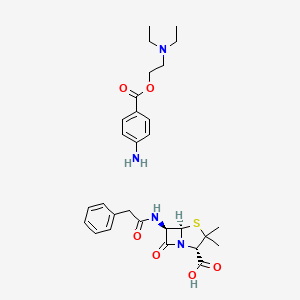
Penicillin G Benzathine is a long-acting formulation designed to provide sustained antibiotic levels in the bloodstream and tissues. The benzathine salt forms a slow-release depot after deep intramuscular injection, enabling prolonged therapeutic action. This formulation is widely used for:
- Long-term treatment of syphilis
- Prevention of rheumatic fever recurrence
- Certain streptococcal infections requiring prolonged antibiotic exposure
Due to its slow absorption and extended half-life, a single injection may sustain effective antibiotic levels for weeks.
Penicillin G Procaine combines Penicillin G with procaine, a local anesthetic that also slows absorption compared to standard Penicillin G. Unlike benzathine, procaine Penicillin provides a shorter duration of action while minimizing injection discomfort. It is typically used for mild to moderate infections requiring intermediate antibiotic duration, such as:
- Respiratory infections
- Skin and soft tissue infections
This formulation also requires deep intramuscular injection to establish a depot effect, with sustained blood concentration usually lasting several days to a week.
The most critical reason these forms of Penicillin G are not administered orally is their poor stability and absorption in the gastrointestinal tract:
- Penicillin G molecules are highly sensitive to acidic gastric juice and enzymatic degradation in the stomach and intestines.
- When ingested, Penicillin G breaks down rapidly and is absorbed at extremely low efficiency, resulting in negligible blood concentrations insufficient for bacterial eradication.
- The salts benzathine and procaine do not enhance oral absorption but serve mainly to control the release rate after injection.
- Both benzathine and procaine salts are designed to form a slow-release depot when injected into the muscle.
- This depot allows penetration of the antibiotic into surrounding tissues gradually over days or weeks.
- Oral ingestion bypasses this controlled-release mechanism entirely; the compounds cannot form depots or sustained concentrations via the digestive tract.
- Regulatory authorities such as the FDA and WHO recommend these formulations exclusively for intramuscular administration.
- Use of these drugs by mouth is not only ineffective but can pose risks including subtherapeutic dosing, treatment failure, and increased antibiotic resistance.
- Oral penicillin formulations such as Penicillin V potassium are chemically distinct and optimized for absorption from the gut.
Penicillin G Benzathine and Procaine are exclusively administered via deep intramuscular injection into large muscle masses like the gluteus or thigh. This route ensures the drugs form a depot for controlled release.
- Single dose injection for early syphilis
- Repeated doses for late latent syphilis
- Secondary prevention of rheumatic fever and other specific infections requiring prolonged antibiotic presence
- Treatment of mild to moderate infections where prolonged antibiotic levels are beneficial but less than benzathine requirement
- Used where local anesthetic effect reduces injection pain
Both require skilled administration and strict adherence to injection guidelines to ensure efficacy and safety.
When oral therapy is necessary—such as for outpatient treatment or when injections are contraindicated—clinicians prescribe other penicillin types developed for oral use:
- Chemically distinct from Penicillin G salts
- Acid-stable and absorbed effectively in the gastrointestinal tract
- Mainly used for mild-to-moderate infections including streptococcal pharyngitis, minor skin infections, and respiratory tract infections
- Amoxicillin and ampicillin have excellent oral bioavailability and broader spectrum coverage.
- These are preferred over Penicillin G oral attempts for most outpatient infections due to ease of administration and effective plasma concentrations.
Taking these intramuscular formulations orally can lead to several serious consequences:
- Therapeutic failure: The infection remains untreated due to insufficient drug levels.
- Antimicrobial resistance: Sub-lethal antibiotic exposure fosters development of resistant bacteria, complicating future treatments.
- Unnecessary side effects: Oral intake can cause gastrointestinal disturbances without providing benefit.
- Delayed treatment: Patients may incorrectly assume they are being treated appropriately, risking progression or complications of infection.
Strict patient education and monitoring are required to avoid such misuse.
Penicillin G Benzathine and Procaine are specifically designed, regulated, and recommended for intramuscular injection only. These formulations rely on muscle tissue depots to provide sustained therapeutic antibiotic levels necessary for effective bacterial eradication. Oral administration of these salts is ineffective due to poor stability and absorption and may lead to treatment failure and antibiotic resistance. For oral therapy, Penicillin V potassium or other oral antibiotics are the appropriate alternatives.
If you are a brand, wholesaler, or manufacturer looking for high-quality, compliant Penicillin G Benzathine or Procaine injectable products, our factory offers reliable OEM services tailored to your international market needs. Contact us today to ensure a stable supply chain with quality-assured penicillin formulations designed for injectable use.
No. Despite being penicillin antibiotics, Penicillin G Benzathine and Procaine are only effective when administered as deep intramuscular injections. Oral use will not provide effective blood levels and is not recommended.
Penicillin G Benzathine is a long-acting formulation that provides antibiotic activity for weeks, ideal for diseases requiring prolonged treatment like syphilis. Procaine Penicillin G results in intermediate duration of action and includes a local anesthetic to reduce injection pain.
Yes. Penicillin V potassium is an oral penicillin variant stable in stomach acid and suitable for mild infections requiring oral antibiotics. Amoxicillin is another commonly used oral penicillin-related antibiotic with good bioavailability.
This formulation is primarily used for syphilis treatment, prevention of rheumatic fever recurrence, and some streptococcal infections that require sustained antibiotic exposure.
Oral ingestion does not provide therapeutic antibiotic levels. You should immediately consult a healthcare provider to receive appropriate treatment and avoid risks of untreated infection and resistance development.
[1] https://www.msdmanuals.com/professional/infectious-diseases/bacteria-and-antibacterial-medications/penicillins
[2] https://www.goodrx.com/penicillin-g-potassium/what-is
[3] https://www.drugs.com/mtm/penicillin-g-benzathine-and-penicillin-g-procaine.html
[4] https://www.webmd.com/drugs/2/drug-3781/penicillin-g-benzathine-intramuscular/details
[5] https://pubmed.ncbi.nlm.nih.gov/3522953/
[6] https://www.sciencedirect.com/topics/nursing-and-health-professions/penicillin-g
[7] https://www.ncbi.nlm.nih.gov/books/NBK547993/
[8] https://www.cdc.gov/std/treatment-guidelines/p-and-s-syphilis.htm
[9] https://list.essentialmeds.org/recommendations/599
Hot tags: Penicillin G Benzathine, Oral Administration, Antibiotic Use, Injectable Antibiotics, Medication Guidelines, Drug Absorption, Oral vs Injectable, Antibiotic Efficacy, Patient Safety, Pharmacology