Content Menu
>> Chemical Properties and Uses
● The Global Regulatory Landscape of Boric Acid Flakes
>> European Union and United Kingdom
>> China
● Understanding Health Risks and Regulatory Reasons
● Safe Handling Practices and Alternatives
● FAQ About Boric Acid Flakes and Their Legal Status
>> 1. Is it illegal to buy boric acid flakes online?
>> 2. Can boric acid flakes be used in food products?
>> 3. What consequences exist for illegal sale or misuse of boric acid?
>> 4. Are boric acid flakes safe for pharmaceutical applications?
>> 5. How can companies legally export boric acid flakes?
Boric acid flakes are widely used in various industrial, pharmaceutical, and biotechnology applications due to their versatile properties. However, their legality varies significantly across different countries, prompting questions among manufacturers, suppliers, and consumers alike. This article examines the legal status of boric acid flakes globally, explores their common applications, discusses safety risks, handling precautions, and offers practical guidance for companies operating in this field. For businesses in China specializing in OEM services for biotechnology, pharmaceuticals, and medical devices, a clear understanding of regulatory frameworks related to boric acid is essential for compliance and success in international markets.
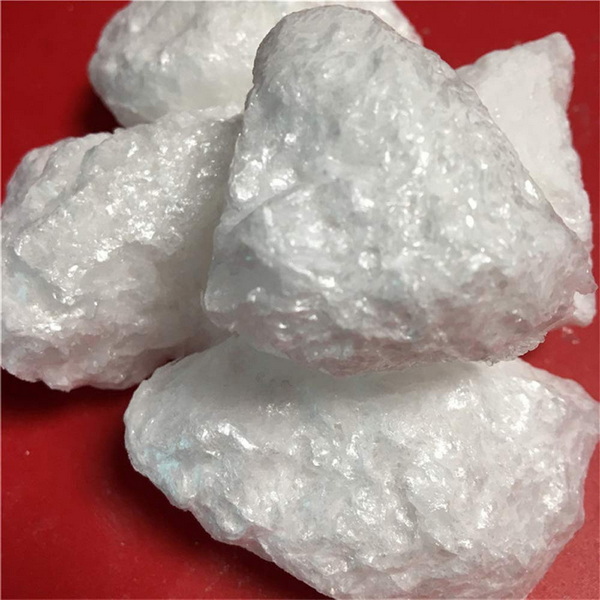
Boric acid, chemically represented as H₃BO₃, appears as white crystalline flakes or powder with weak acidic properties. It is derived from boron minerals and is known for its antiseptic, insecticidal, antifungal, and buffering capabilities. The flakes form is favored in industrial and pharmaceutical applications because they dissolve easily and can be precisely measured.
Boric acid is soluble in water, alcohol, and glycerol but slightly soluble in cold water. This property makes it suitable for various formulations in creams, solutions, and powders. Its mild acidity allows it to act as a bacteriostatic agent, which inhibits bacterial growth without harsh toxicity, making it valuable in medical contexts. Beyond healthcare, boric acid flakes serve as raw materials in manufacturing glass, ceramics, and flame retardants. They also contribute to stabilizing pH in chemical processes and controlling pest populations.
- Medicine and Pharmaceuticals: Boric acid is included in topical creams, eye washes, and antiseptic powders. It serves as a buffer in pharmaceutical manufacturing and is sometimes used in vaginal suppositories under medical supervision.
- Industrial Manufacturing: Used extensively in glass production for heat resistance, ceramics for structural integrity, and metallurgy to enhance material properties.
- Pest Control: Acts as an insecticide effective against cockroaches, ants, termites, and other pests by disrupting their digestive systems.
- Laboratory Use: Utilized in analytical chemistry and biological research as a reagent and preservative.
The legal status of boric acid flakes is complex and region-specific. It is neither universally banned nor unrestricted; rather, it falls under various regulatory controls depending on usage, concentration, and jurisdiction.
In the United States, boric acid flakes are legal and accepted for industrial and scientific use. The Environmental Protection Agency (EPA) registers boric acid as an active pesticide ingredient with moderate toxicity. It is not approved as a food additive but can be used in controlled pharmaceutical products with medical supervision. The EPA mandates that products containing boric acid carry appropriate safety labels and that handlers follow guidelines to avoid exposure risks.
Within the European Union, boric acid is classified as a Substance of Very High Concern (SVHC), primarily due to evidence of reproductive toxicity. Since 2010, its use in consumer products has been restricted. Concentrations in products marketed to the general public are tightly regulated, with labeling requirements to warn consumers. Industrial applications continue but must comply with strict safety and handling protocols.
In the United Kingdom, boric acid is legal for laboratory and industrial use but requires pharmaceutical standards for any medical or personal care products. It is prohibited in food-related uses and general consumer items without prescription or specialist regulation.
China explicitly prohibits boric acid as a food additive, reflecting concerns regarding its toxicity when ingested. Nonetheless, its industrial, pharmaceutical, and scientific uses remain permitted under regulated conditions. Chinese manufacturing and export companies must observe national regulations and ensure comprehensive documentation for overseas shipments.
Australia bans the sale and use of boric acid in food products and has strict regulatory controls similar to the EU. Industrial and research use remains lawful with safety precautions.
In Canada, boric acid is approved for certain uses, including industrial and scientific applications, but some domestic pesticide registrations have been withdrawn following toxicity reassessments. Registrants must comply with Health Canada regulations and ensure product labeling reflects the current status.
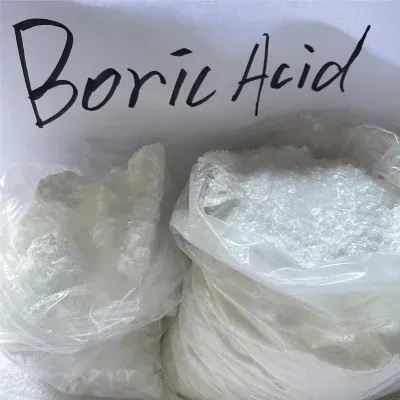
Boric acid's toxicity is moderate but significant when exposure exceeds safe thresholds. It can cause adverse health effects, especially through ingestion, inhalation of dust, or prolonged skin contact.
Acute poisoning from boric acid can result in nausea, vomiting, abdominal pain, diarrhea, and in severe cases, kidney damage, seizures, or even death. Chronic exposure has been linked to endocrine disruption, reproductive toxicity, and damage to developing fetuses. Children, pregnant women, and persons with compromised health are particularly vulnerable. Regulatory authorities worldwide emphasize these health concerns when controlling boric acid use.
Manufacturers, laboratory personnel, and supply chain workers handling boric acid flakes must use personal protective equipment such as gloves, goggles, and respirators. Ventilation systems reduce dust exposure, and detailed safety data sheets (SDS) guide proper storage, handling, and disposal.
Boric acid has a low environmental persistence, but excessive release into waterways can affect aquatic organisms. Proper disposal and containment practices are essential to prevent environmental contamination.
- Store boric acid flakes in tightly sealed, labeled containers away from food and incompatible substances.
- Ensure workspaces have adequate ventilation.
- Prevent dust generation and contact with skin and eyes.
- Employ spill management plans and hazardous waste protocols.
- Train employees on safety rules and emergency procedures.
Some industries are exploring substitutes for boric acid where feasible. Alternatives include hydrogen peroxide as an antiseptic, baking soda for cleaning, phosphate-based flame retardants, and newer insecticides with improved safety profiles. Nonetheless, due to its unique chemical properties and cost-effectiveness, boric acid remains widely used in controlled settings.
Boric acid flakes are not universally illegal; however, their use is governed by rigorous regulations worldwide due to documented health risks, particularly reproductive toxicity. In many countries, boric acid is permitted for industrial, pharmaceutical, and controlled scientific applications but banned as a food additive or in general consumer goods. Businesses that require boric acid for OEM manufacturing or research must ensure compliance with local and international laws, adhere to safety protocols, and maintain accurate documentation. Establishing partnerships with reputable suppliers knowledgeable in regulatory demands is crucial to successfully navigating the complexities of boric acid trade and use.
If you are seeking a reliable, compliant OEM partner for boric acid flakes in the biotech, pharmaceutical, or medical device sectors, contact us today for expert consultation and customized solutions. Let us help you grow your business safely and internationally.
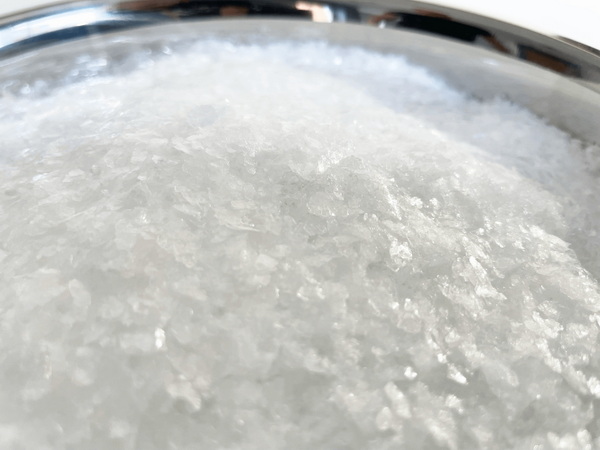
No, purchasing boric acid flakes online is generally legal when intended for industrial, laboratory, or pharmaceutical use. However, legality depends on your jurisdiction's specific regulations and the intended end use. Unauthorized sales for food or consumer use are prohibited in many regions.
No. The use of boric acid as a food additive is banned in most countries, including China, Australia, the EU, and others, due to its toxicity and potential health risks when ingested.
Penalties vary by country but can include fines, product seizure, and legal prosecution, especially if consumer safety is compromised. Regulatory authorities actively monitor compliance to protect public health.
Yes, boric acid can be safely used in pharmaceutical products when produced and applied under strict regulatory guidelines and medical supervision, such as in topical creams or vaginal suppositories.
Companies must thoroughly research destination country import regulations, comply with customs documentation, label products accurately, provide safety data sheets, and adhere to storage and transportation requirements to ensure lawful export.