Content Menu
● What Is Benzocaine and How Does It Work?
● Pregnancy Risk Category and Regulatory Perspective
● Is Topical Benzocaine Absorbed During Pregnancy?
● Main Safety Concerns: Methemoglobinemia and Systemic Effects
● Is Benzocaine Safe During Pregnancy? Practical Clinical View
● Oral Benzocaine vs. Skin Benzocaine in Pregnancy
● Guidance for Pregnant Women Considering Benzocaine
● Safer Alternatives to Benzocaine During Pregnancy
● Special Populations and Comorbidities
● OEM and Private‑Label Benzocaine Products for Global Brands
● FAQ
>> 1. Is it ever safe to use benzocaine while pregnant?
>> 2. Are oral benzocaine gels and sprays riskier than skin creams during pregnancy?
>> 3. What symptoms of methemoglobinemia should a pregnant woman watch for?
>> 4. Which local anesthetics are generally preferred over benzocaine in pregnancy?
>> 5. How can OEM buyers ensure benzocaine products are appropriately labeled for pregnant users?
Pregnancy introduces extra caution for any medication, including topical anesthetics like benzocaine, because both maternal and fetal safety must be considered carefully. Existing data suggest that benzocaine is not absolutely contraindicated, but it is not considered completely risk‑free in pregnancy and should be used only when clearly needed, at the lowest effective dose, and preferably under professional guidance.

Benzocaine is an ester‑type local anesthetic widely used in over‑the‑counter (OTC) and professional products to relieve pain or irritation on skin and mucous membranes. It blocks sodium channels in peripheral nerves, temporarily reducing nerve signal transmission and creating a localized numbing effect at the application site.
Common benzocaine dosage forms in everyday use include:
- Oral gels and liquids for toothache, mouth ulcers, and sore throat sprays.
- Topical creams, ointments, and sprays for minor burns, insect bites, hemorrhoids, or skin irritation.
- Lozenges or throat pastilles that numb the mouth and pharynx.
Because benzocaine acts locally and has poor water solubility, systemic absorption is usually low when used properly, but not zero, especially on damaged mucosa or when used excessively.
Historically, benzocaine has been classified as a pregnancy category C drug under older FDA‑style labeling systems, meaning animal studies have shown some adverse fetal effects, and there are no well‑controlled studies in pregnant women. Category C indicates that risk cannot be ruled out, and the medicine should only be used if potential maternal benefit justifies potential fetal risk.
Dental and topical‑anesthetic literature often lists benzocaine as “former pregnancy category C,” reflecting the transition away from simple letter categories to more detailed narrative risk summaries, but the underlying message remains: caution and individual risk–benefit assessment are required. By contrast, lidocaine is generally considered category B (safer) with a longer track record of uneventful use in pregnancy, which is why many clinicians prefer lidocaine‑based alternatives for pregnant patients when feasible.
For most healthy adults, only a small fraction of benzocaine from OTC topical products is absorbed into the bloodstream when used as directed, and this limited systemic exposure makes serious systemic effects uncommon. Available information suggests this low absorption is unlikely to cause direct harm to the fetus when occasional, short‑term use is involved, though robust controlled pregnancy data are lacking.
However, several factors can increase systemic absorption and risk:
- Large application area (for example, extensive skin coverage or repeated applications).
- Use on broken, inflamed, or highly vascular mucosal surfaces (mouth, throat, rectum, genital area).
- Exceeding recommended frequency or dosage on the product label.
Because pregnancy alters maternal physiology (blood volume, enzyme activity, skin perfusion), clinicians typically recommend minimizing unnecessary topical anesthetic exposure and using benzocaine only after other safer measures have been considered.
The most important serious adverse effect linked to benzocaine is methemoglobinemia, a rare but potentially life‑threatening condition in which hemoglobin is oxidized to methemoglobin and cannot carry oxygen effectively. Symptoms include cyanosis (bluish skin or lips), shortness of breath, headache, fatigue, and in severe cases arrhythmias, seizures, or death if not treated promptly with antidotes such as methylene blue.
Several key points are important for pregnant patients and healthcare professionals:
- Benzocaine oral products can cause methemoglobinemia, especially in infants and young children, and strong warnings are required on their labels.
- Authorities have asked manufacturers to stop marketing benzocaine oral products for teething in infants and children under 2 years because of disproportionate risk.
- Case reports show that even a single spray of benzocaine in some individuals can trigger methemoglobinemia.
While most severe cases involve infants, high‑concentration sprays, or off‑label procedural use, pregnant women are still advised to avoid unnecessary exposure, especially in high doses or on large mucosal surfaces. People with underlying anemia, G6PD deficiency, heart disease, or respiratory disorders may be at higher risk and should be particularly cautious.
Other potential adverse effects of benzocaine include local irritation, allergic or hypersensitivity reactions (sometimes severe), and, with very frequent or extensive use, systemic toxicity symptoms such as dizziness, confusion, or arrhythmias. Although these events are uncommon at OTC doses, pregnancy is not the time to take avoidable risks.
From a practical clinical standpoint, benzocaine is not the first‑line choice in pregnancy but may be used cautiously when clear benefits outweigh potential risks. Because human pregnancy data are limited and animal studies suggest possible risk, healthcare providers usually try non‑drug methods or better‑studied alternatives before recommending benzocaine products.
In dental settings, pregnant women can sometimes use benzocaine‑containing products such as certain oral gels only when necessary and preferably for short periods, after professional assessment. In many cases, dentists and physicians prefer topical or injected lidocaine (category B) with controlled dosing instead of benzocaine, particularly for procedures like fillings, extractions, or minor surgery.
For minor self‑limited problems such as occasional mouth ulcers, sore throat, insect bites, or hemorrhoid flares, pregnant patients are typically encouraged to start with non‑pharmacologic measures and consult providers before relying on benzocaine gels or sprays. The principle is to avoid routine or prolonged use and to reserve benzocaine for specific situations when other methods are ineffective or unavailable.

The route of administration matters when evaluating safety:
- Oral and throat products (gels, sprays, lozenges) are applied to highly vascular mucosa, which can increase systemic absorption and may raise the risk of methemoglobinemia if overused.
- Skin creams and ointments on intact skin tend to produce lower systemic exposure, although repeated or large‑area application can still be problematic.
Because of the higher absorption and known safety warnings, oral benzocaine products require stricter caution in pregnancy than small‑area skin preparations for occasional use. For pregnant women who need relief for dental or oral pain, many clinicians prefer:
- Saltwater rinses, good oral hygiene, and dental treatment for the underlying cause (for example, treating caries or infection rather than masking pain repeatedly).
- Lidocaine‑based gels, sprays, or injections with a better‑documented pregnancy safety profile, when medication is necessary.
For hemorrhoids or perianal discomfort, options such as sitz baths, witch hazel pads, dietary fiber, hydration, and non‑anesthetic barrier creams can sometimes replace benzocaine products entirely.
Pregnant women should follow several practical principles if they are considering benzocaine:
- Always consult an obstetrician, midwife, or dentist before initiating benzocaine, especially for repeated use or oral/mucosal products.
- Use the lowest effective concentration on the smallest area for the shortest duration when a benzocaine product is deemed necessary.
- Strictly follow label directions regarding quantity, frequency, and maximum daily use, and never apply to large, broken, or severely inflamed areas unless a professional directs it.
- Avoid using multiple benzocaine‑containing products (for example, oral gel plus hemorrhoid cream) at the same time without medical guidance, to limit cumulative dose.
- Stop using the product and seek immediate care if symptoms such as gray/blue lips, shortness of breath, unusual fatigue, rapid heartbeat, or dizziness appear, as these may signal methemoglobinemia.
In many situations, non‑drug approaches (ice, cold compresses, saline rinses, rest, good oral or skin hygiene) can provide reasonable relief with zero systemic risk and should be tried first whenever possible.
Because of the category C status and rare but serious risks, experts often recommend safer alternatives for pregnant women needing local pain relief. These choices depend on the indication, but some common patterns include:
- Dental pain or procedures: Lidocaine‑based topical or injectable anesthetics (often considered category B) with monitored dosing are usually preferred and have a long history of use in pregnancy.
- Minor skin irritation, insect bites, or rashes: Non‑anesthetic agents such as low‑strength hydrocortisone cream (short‑term), calamine lotion, or suitable oral antihistamines may be considered under obstetric guidance.
- Hemorrhoids and perianal pain: Sitz baths, dietary fiber, stool softeners, witch hazel pads, and non‑anesthetic protective ointments (zinc oxide, petrolatum) are usually tried before anesthetic creams.
The best approach is always individualized: each pregnant woman's medical history, gestational age, and symptom severity must be evaluated by her healthcare provider.
While there is no strict, universally accepted trimester‑specific guideline just for benzocaine, general principles of medication use in pregnancy apply:
- First trimester: Organ development is most active, and many clinicians try to minimize all non‑essential drug exposures, including topical anesthetics. Non‑drug methods and better‑studied alternatives are favored.
- Second trimester: Many dental and minor medical procedures are scheduled during this period, and if an anesthetic is needed, lidocaine is typically preferred, with benzocaine used sparingly if at all.
- Third trimester: Circulatory and respiratory changes in the mother may increase sensitivity to hypoxia, so conditions like methemoglobinemia are especially concerning; this reinforces the need to avoid high‑dose benzocaine exposure and to use only under supervision.
These trimester‑based considerations underline why self‑prescribing benzocaine repeatedly in pregnancy is discouraged.
Certain maternal conditions can amplify the risks associated with benzocaine:
- Pre‑existing anemia or low hemoglobin: Any further reduction in oxygen‑carrying capacity from methemoglobinemia would be more dangerous.
- Heart or lung disease: Even small drops in oxygen delivery can be poorly tolerated, making avoidance of risky agents more important.
- Genetic conditions such as G6PD deficiency: These may affect red blood cell handling of oxidative stress and increase vulnerability.
In such cases, physicians are particularly cautious and commonly avoid benzocaine altogether, choosing alternative strategies for pain control.
For international brand owners, wholesalers, and manufacturers, benzocaine remains an important active ingredient in many adult OTC products, provided that labeling and formulation account for pregnancy and pediatric safety concerns. As a Chinese factory engaged in biotechnology, pharmaceuticals, and medical device production, we can help overseas partners design and manufacture benzocaine formulas that align with modern regulatory expectations for pregnancy warnings, age restrictions, and risk communication.
Our OEM services can support you in several ways:
- Customized benzocaine concentrations and dosage forms (creams, gels, sprays, lozenges, suppositories) tailored to your target markets and adult indications.
- Options to include clear pregnancy‑related caution statements, pediatric contraindications (such as “do not use in children under 2 years”), and risk information about methemoglobinemia on labels and package inserts.
- Support with quality documentation, including certificates of analysis, batch records, stability data, safety data sheets, and GMP‑related certifications to match regulatory needs in your region.
- Flexible packaging and private‑label solutions, such as tubes, jars, spray bottles, blister packs, and custom artwork with your branding and multilingual instructions.
By integrating scientific risk assessment with precise formulation technology, we help our partners launch benzocaine products that are both effective and responsibly labeled for pregnant and non‑pregnant users.
Benzocaine is not strictly forbidden in pregnancy, but it carries a former category C classification and a known potential to cause methemoglobinemia, especially when used in higher doses, on mucosal surfaces, or in susceptible individuals. For pregnant women, it should only be used when necessary, after professional consultation, in minimal amounts, and preferably with safer alternatives like lidocaine or non‑drug measures considered first.
For global brands, distributors, and OEM buyers, understanding these safety nuances is essential when positioning benzocaine products in the market and crafting appropriate labels and patient instructions. If you are planning to develop or source benzocaine‑containing formulations for adult use, our Chinese factory can provide compliant OEM solutions, including customized strengths, dosage forms, and packaging to match your regulatory and marketing needs. You are welcome to contact us at any time for technical discussion, quotations, and sample arrangements so that we can help you build a stable, high‑quality benzocaine product line for your customers. Contact us to get more information!
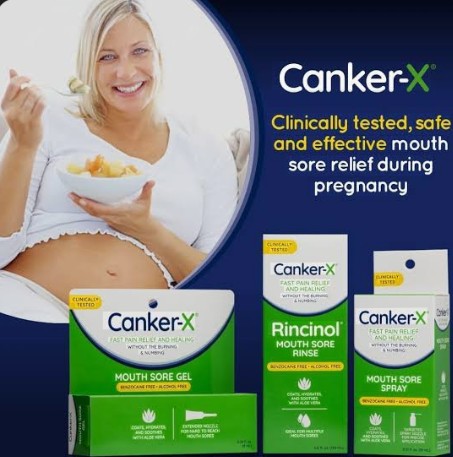
Benzocaine may be used in pregnancy when potential benefits clearly outweigh risks, but it is not considered completely risk‑free and should not be the first choice for minor, self‑limited problems. Healthcare providers usually recommend short‑term, small‑area use only, after evaluating safer alternatives and the mother's medical history.
Oral gels and sprays applied to the mouth or throat are absorbed more readily through mucous membranes, which may increase systemic exposure and the risk of methemoglobinemia if overused. Small‑area application of benzocaine creams to intact skin typically results in lower systemic absorption, though dosage limits and label directions must still be respected.
Key warning signs include gray or blue‑colored lips or skin, sudden shortness of breath, headache, dizziness, rapid heartbeat, and unusual fatigue after using a benzocaine product. Anyone experiencing these symptoms should stop the product immediately and seek urgent medical attention, as methemoglobinemia can progress quickly but is treatable when recognized early.
Lidocaine is commonly preferred for dental and minor surgical procedures in pregnant women because of its longer record of use and a more favorable pregnancy safety profile. Clinicians tailor the dose and route (topical, infiltration, nerve block) to minimize fetal exposure while still achieving adequate maternal pain control.
OEM buyers should work with manufacturers that understand current regulatory guidance, including warnings about methemoglobinemia and pediatric age limitations, and can incorporate clear pregnancy caution statements on packaging. Our factory can assist with formulation, label wording proposals, and documentation to help overseas brands meet local regulatory expectations while communicating safe use to pregnant and non‑pregnant consumers.
1. https://www.goodrx.com/benzocaine/what-is
2. https://medtigo.com/drug/benzocaine/
3. https://www.advanceddentalartsnj.com/blog/fda-issues-benzocaine-warning-for-parents-with-teething-babies
4. https://www.fda.gov/drugs/postmarket-drug-safety-information-patients-and-providers/safety-information-benzocaine-containing-products
5. https://pharmacyservices.utah.edu/alerts/2018/06/benzocaine-over-counter-products-can-increase-risk-of-serious-or-life-threatening
6. https://www.jacksonavedental.com/post/oralgel-while-pregnant
7. https://dimensionsofdentalhygiene.com/article/managing-pain-with-topical-anesthetics/
8. https://pmc.ncbi.nlm.nih.gov/articles/PMC5418954/
9. https://www.uspharmacist.com/article/nonprescription-products-for-the-pregnant-and-breast-feeding-patient
Hot tags: Benzocaine Safety Pregnancy, Is Orajel Safe During Pregnancy, Toothache Relief During Pregnancy, Can I Use Benzocaine While Pregnant, Pregnancy Safe Oral Pain Relief, Benzocaine FDA Pregnancy Category, Using Orajel While Pregnant, Topical Anesthetics During Pregnancy, Benzocaine Risks And Side Effects Pregnancy, Safe Gum Pain Relief Pregnancy