Content Menu
● What is Penicillin G Procaine?
● How Does Penicillin G Procaine Work?
● Common Uses of Penicillin G Procaine in Dogs
● Precautions and Considerations
● Additional Veterinary Insights
● Frequently Asked Questions (FAQ)
>> 1. Can I give my dog Penicillin G Procaine without a vet prescription?
>> 2. What if my dog is allergic to penicillin?
>> 3. How soon will I see improvement after starting treatment?
>> 4. Can Penicillin G Procaine be given orally to dogs?
>> 5. What are the signs of overdose or adverse reactions?
Penicillin G Procaine is a veterinary antibiotic widely used to treat various bacterial infections in animals, including dogs. As a long-acting formulation of penicillin, it offers convenient dosing for bacterial infections that respond to penicillin-class antibiotics. However, whether it is appropriate to give Penicillin G Procaine to your dog depends on several factors, including the type of infection, the dog's health status, proper dosing, and veterinary guidance.
This comprehensive article explores the uses, benefits, potential risks, administration, and dosage of Penicillin G Procaine for dogs. It also provides valuable safety tips, potential side effects to watch for, and answers common questions you may have about this antibiotic.
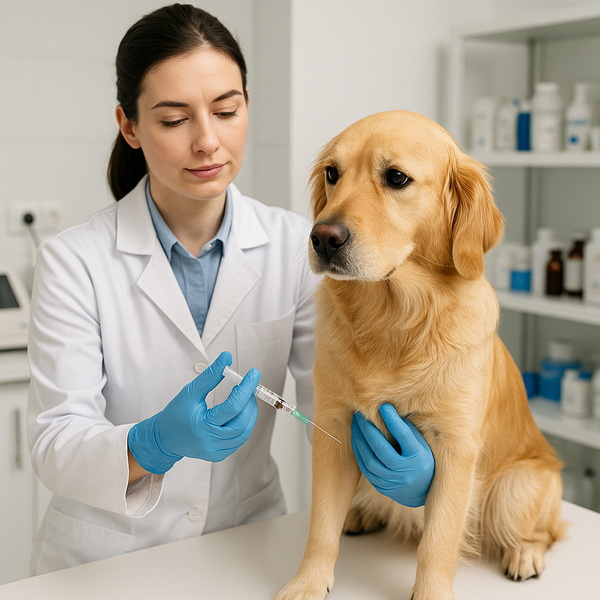
Penicillin G Procaine is a combination of Penicillin G, a natural antibiotic effective against a range of bacteria, and Procaine, a local anesthetic that slows absorption and prolongs the drug's effect. This injectable suspension is primarily used for systemic treatment of bacterial infections sensitive to penicillin, often requiring only one or two injections per treatment cycle.
While it is primarily utilized in veterinary medicine for livestock such as cattle, horses, swine, and sheep, Penicillin G Procaine is also indicated for companion animals, including dogs and cats. It treats infections like respiratory infections, otitis externa (ear infections), wound infections, and other bacterial conditions susceptible to penicillin.
Penicillin G works by interfering with the synthesis of the bacterial cell wall, causing bacteria to lyse and die. It exhibits its primary effect against Gram-positive bacteria and some Gram-negative bacteria that remain sensitive to penicillin. The addition of Procaine delays the release of Penicillin G into the bloodstream, allowing for prolonged antibiotic action with a slower, steadier absorption rate. This enhances convenience by reducing the frequency of injections needed to maintain effective therapeutic levels.
Penicillin G Procaine is prescribed by veterinarians to treat a variety of bacterial infections in dogs, including but not limited to:
- Respiratory tract infections: Effective against bacterial bronchitis, pneumonia, and tracheitis when the causative bacteria are penicillin-sensitive.
- Skin and wound infections: It helps combat superficial and deep bacterial infections of the skin and soft tissues.
- Ear infections (otitis externa): Used to treat bacterial components of external ear infections.
- Urinary tract infections (UTIs): Though less common, it can be used for certain bacterial UTIs responsive to penicillin.
- Oral and dental infections: Such as abscesses caused by susceptible bacteria.
It is important to emphasize that Penicillin G Procaine does not treat viral infections, fungal infections, parasites, or bacteria that have developed resistance. Therefore, an accurate diagnosis and sensitivity testing by a veterinarian are essential for safe and effective use.
Dosage of Penicillin G Procaine must always be determined by a veterinarian based on the dog's weight, overall health, age, and the severity of the infection. Typical dosage recommendations range from 10,000 to 25,000 units per pound (20,000 to 50,000 units per kilogram) of body weight. The medication is usually administered via intramuscular or subcutaneous injection.
The frequency of administration depends on the infection's severity but commonly ranges from once daily to multiple injections per day. The prolonged action of the procaine formulation means fewer injections compared to aqueous penicillin versions.
- Administer Penicillin G Procaine strictly via intramuscular injection into large muscle groups such as the thigh or lumbar muscles; avoid intravenous administration due to risk of severe adverse reactions.
- Use sterile needles and syringes, and follow all aseptic injection procedures.
- Rotate injection sites to minimize tissue irritation.
- Complete the full prescribed course of antibiotics, even if the dog appears clinically improved early.
- If self-administering injections at home, seek proper instruction from a veterinarian or veterinary technician. Several veterinary educational videos demonstrate safe injection techniques for pet owners.
When used appropriately under veterinary supervision, Penicillin G Procaine is generally safe, but like all medications, it carries a risk of side effects. These may include:
- Pain or irritation at the injection site, sometimes causing local swelling or mild lameness.
- Gastrointestinal upset: Such as diarrhea, vomiting, or reduced appetite due to disruption of normal gut flora.
- Allergic reactions: Though rare, dogs may develop itching, rash, swelling of the face or limbs, hives, difficulty breathing, or anaphylaxis. Immediate veterinary attention is essential if these symptoms occur.
- Hypersensitivity or sensitization: Repeated dosing may increase the risk of developing allergies to penicillin.
- Neurological signs: Very rarely, overdoses or inadvertent intravenous injection can cause seizures or other neurological symptoms.
It is vital to monitor your dog carefully throughout treatment and report any unusual or severe reactions to a veterinarian promptly.
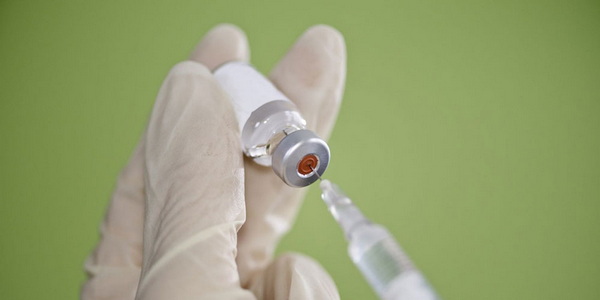
- Veterinary consultation is mandatory prior to any use of Penicillin G Procaine — do not self-prescribe. The veterinary professional will assess if the infection is bacterial and susceptible to penicillin before recommending treatment.
- Dogs known to have allergies or sensitivities to penicillin or beta-lactam antibiotics should never receive this drug.
- Inform your veterinarian of any other medications, supplements, or health conditions your dog has to avoid harmful drug interactions.
- Use with caution in pregnant or lactating dogs, as well as in dogs with compromised liver or kidney function — dosing adjustments or alternative medications may be necessary.
- Overusing or improperly administering antibiotics can lead to drug resistance or treatment failure.
- Be aware that Penicillin G Procaine is prescription-only in many regions and regulated for veterinary use.
In clinical practice, veterinarians often pair Penicillin G Procaine with other supportive treatments such as anti-inflammatory drugs, wound care, or dietary management depending on the dog's condition. Laboratory diagnostic tests including culture and sensitivity analyses can help choose the most effective antibiotic agent. Monitoring blood parameters during prolonged use may also be advisable, particularly for dogs with pre-existing conditions.
Veterinarians may also recommend alternative antibiotics when infections are caused by resistant bacteria or when penicillin is contraindicated. Some newer generations of antibiotics with broader spectra or better bioavailability can be more effective for certain complex infections.
Penicillin G Procaine can be an effective and convenient antibiotic for treating bacterial infections in dogs when used properly. Its long-acting formulation reduces injection frequency, potentially improving compliance and comfort for both pet and owner. However, because of potential side effects, allergy risks, and variable dosage needs, it is critical that this medication is administered only under veterinary supervision following a confirmed bacterial diagnosis.
Always complete the full course of prescribed antibiotics to prevent relapses or the development of resistant bacteria. If your dog exhibits any signs of infection or adverse reactions during treatment, contact your veterinarian promptly for guidance.
Prompt veterinary consultation ensures proper diagnosis, safe drug choice, and appropriate dosing tailored to your dog's unique needs and health status.
Are you a brand owner, wholesaler, or manufacturer looking for reliable OEM partners specializing in pharmaceutical and medical biotechnology products? Our China-based factory at supplybenzocaine.co.uk offers exceptional R&D, manufacturing, and OEM services in health and medical fields, including veterinary pharmaceuticals. Contact us today for customized solutions tailored to your international business needs!
No. Penicillin G Procaine should only be administered under veterinary direction. Improper diagnosis and dosing can cause harm or ineffective treatment.
If your dog has a known allergy to penicillin or related antibiotics, Penicillin G Procaine must not be used. Notify your vet immediately if signs of an allergic reaction appear, such as itching, swelling, or breathing difficulties.
Improvement often occurs within a few days, but it's critical to complete the entire prescribed course to fully clear the infection and prevent resistance.
No, Penicillin G Procaine is formulated as an injectable suspension; it should never be given orally.
Signs include vomiting, diarrhea, difficulty breathing, swollen face or limbs, seizures, or collapse. Seek emergency veterinary care immediately if these symptoms occur.
[1] https://vcahospitals.com/know-your-pet/penicillin-g
[2] https://dogtime.com/dog-health/148838-penicillin-for-dogs-uses-dosage-side-effects
[3] https://www.advacarepharma.com/en/veterinary/penicillin-g-procaine-for-injection
[4] https://www.drugs.com/vet/procaine-penicillin-g-can.html
[5] https://www.petplace.com/article/drug-library/drug-library/library/penicillin-g-for-dogs-and-cats
[6] https://www.petmd.com/pet-medication/penicillin-dogs-and-cats
[7] https://pdf.hres.ca/dpd_pm/00042865.PDF
[8] https://richmondvet.com.ar/en/producto/pencilline-2/
[9] https://www.youtube.com/watch?v=BoEIDlXaFiM
[10] https://www.msdvetmanual.com/multimedia/table/dosages-of-penicillins
[11] https://pubmed.ncbi.nlm.nih.gov/21320022/
[12] https://www.msd-animal-health.co.nz/products/duplocillin-la/
[13] https://www.youtube.com/watch?v=uEoXv0V-Wyo
[14] https://www.msdvetmanual.com/pharmacology/antibacterial-agents/use-of-penicillins-in-animals
[15] https://www.interchemie.com/veterinary-medicines/pen-300
[16] https://www.law.cornell.edu/cfr/text/21/522.1696a
[17] https://www.dvm360.com/view/treating-parvovirus-proceedings
[18] https://www.mda.state.mn.us/sites/default/files/inline-files/Injectable-Penicillin-G-Procaine-2.21.pdf
[19] https://www.youtube.com/watch?v=ZtKmT8YmyWs
[20] https://www.norbrook.com/media/k4snuf4j/ultrapen-la-product-insert.pdf
Hot tags: Penicillin G Procaine, Dog Medication, Veterinary Antibiotics, Canine Health, Injectable Antibiotics, Pet Care, Animal Dosage, Bacterial Infections in Dogs, Veterinary Guidelines, Dog Treatment