Content Menu
● What is Penicillin G Procaine?
>> Chemical Composition and Formulation
● Use of Penicillin G Procaine in Chickens
>> Safety and Withdrawal Period
● How Penicillin G Procaine Works in Chickens
● Benefits of Using Penicillin G Procaine in Poultry
● Precautions and Considerations
● OEM and Supply Services for Penicillin G Procaine
● Frequently Asked Questions (FAQ)
>> 1. Can Penicillin G Procaine be used to treat laying hens?
>> 2. What is the withdrawal period after Penicillin G Procaine treatment in chickens?
>> 3. How is Penicillin G Procaine administered to chickens?
>> 4. Can Penicillin G Procaine cure all bacterial infections in chickens?
>> 5. Is veterinary diagnosis needed before using Penicillin G Procaine?
Penicillin G Procaine is a widely recognized antibiotic used in veterinary medicine to treat various bacterial infections in livestock and poultry. For farmers, breeders, and poultry health professionals, understanding whether Penicillin G Procaine is safe and effective for use in chickens is essential, especially when combating serious infections such as necrotic enteritis.
This article explores the use of Penicillin G Procaine in chickens, its indications, dosage, administration methods, precautions, and its overall role in poultry health management. With detailed explanations and embedded multimedia resources, we aim to provide a comprehensive and practical resource for those considering or already using this antibiotic for chickens.
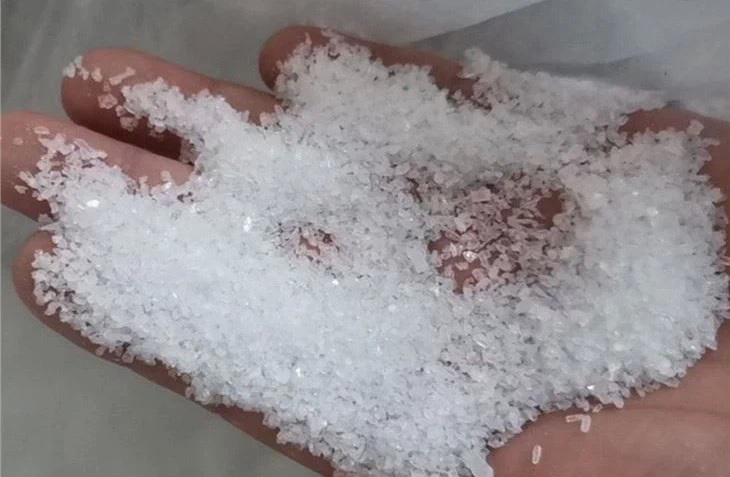
Penicillin G Procaine is a form of penicillin antibiotic combined with procaine, a local anesthetic that slows the absorption of penicillin, allowing it to act longer in the body. It primarily targets penicillin-sensitive bacteria, effectively treating infections caused by these microorganisms.
- Active ingredient: Penicillin G Procaine USP
- Form: Usually available as an aqueous suspension for injection or as a premix in medicated feed.
- Dosage forms: Injection vials and premix powder for feed.
The combination with procaine not only prolongs the drug's activity but also reduces the frequency of dosing, which is particularly beneficial in the context of poultry farming where frequent handling of animals can induce stress.
Penicillin G Procaine is indicated mainly for the treatment of bacterial infections in chickens, including but not limited to:
- Necrotic enteritis caused by Clostridium perfringens
- Secondary bacterial infections from penicillin-sensitive organisms
Necrotic enteritis is a severe intestinal disease characterized by high mortality and significant economic impact on poultry farms due to impaired growth performance and increased feed conversion ratios.
- Medicated feed: Typically, 0.5 kg of Penicillin G Procaine 110 premix is mixed evenly per tonne (1000 kg) of complete feed, providing 55 mg of active penicillin G procaine per kg of feed.
- Treatment duration: This medicated feed should be the sole ration for at least 5 consecutive days immediately after identifying the disease.
- Injection: Injection routes require veterinary expertise for proper dosage and administration protocols tailored to the flock's condition.
Administering antibiotics through feed is advantageous for poultry operations because it ensures uniform dosage among birds, minimizes labor, and reduces handling stress compared to individual injections.
- Chickens treated with medicated feed should not be slaughtered for at least 2 days after the last day of treatment to ensure the drug residues dissipate.
- Penicillin G Procaine must not be administered to laying hens to prevent residues in eggs.
- There are specified withdrawal periods to ensure that antibiotic residues do not enter the human food supply, safeguarding consumer health.
Penicillin G Procaine works by inhibiting the synthesis of the bacterial cell wall, which results in the destruction of susceptible bacteria. The procaine component slows the release and absorption of penicillin, facilitating a sustained therapeutic level in the bloodstream and tissues. This slow-release mechanism allows less frequent dosing, making it more practical for poultry management.
When administered properly, it targets infections caused by penicillin-sensitive bacteria such as Clostridium perfringens, which is the primary pathogen responsible for necrotic enteritis in chickens.
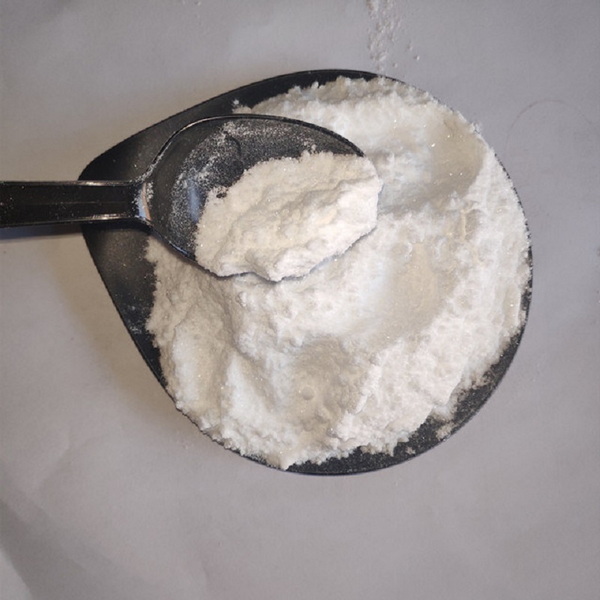
- Effective bacterial control: It is highly effective against the bacteria responsible for necrotic enteritis and other infections.
- Reduction in mortality: Timely treatment can dramatically reduce death rates associated with bacterial infections.
- Improved production performance: Healthy chickens exhibit better weight gain and feed conversion, enhancing farm profitability.
- Ease of administration: Available for use in both feed and injections, adaptable to farm conditions and preferences.
- Prolonged antibacterial effect: Due to the slow release facilitated by procaine, the drug remains active longer, reducing dosing frequency.
These benefits highlight why Penicillin G Procaine remains an essential tool for veterinarians and poultry producers in managing flock health.
- Veterinary diagnosis is essential: Penicillin G Procaine should be used only after a confirmed diagnosis of an infection caused by penicillin-sensitive bacteria to ensure efficacy and responsible antibiotic use.
- Avoid overuse to prevent resistance: Bacterial resistance is a global challenge, so prudent and judicious use of penicillin antibiotics is critical.
- Potential for allergic reactions: Handle the drug carefully, as penicillin can cause hypersensitivity or allergic reactions in humans.
- Exclude use in laying hens: To prevent residues in eggs, Penicillin G Procaine is prohibited for use in mature egg-laying hens.
- Adhere to withdrawal times: Always follow recommended withdrawal times before slaughter to guarantee food safety.
By respecting these precautions, farmers ensure both effective treatment and compliance with food safety regulations.
Our company, based in China, specializes in the research, production, and sale of biotechnology, pharmaceutical, and medical device products, including veterinary antibiotics such as Penicillin G Procaine. We provide OEM services specifically tailored to foreign brands, wholesalers, and manufacturers, supplying high-quality products that conform to international standards.
We emphasize quality control, regulatory compliance, and technical support to meet the needs of global customers. Partnering with us means access to reliable supply chains, competitive pricing, and dedicated customer service to enhance your product portfolio in the veterinary pharmaceutical market.
Penicillin G Procaine is a highly effective antibiotic treatment for necrotic enteritis and other bacterial infections in broiler chickens. Its prolonged activity, combined with flexibility in administration through feed or injections, makes it a valuable asset in poultry health management. When used under veterinary guidance with adherence to safety precautions and withdrawal periods, it offers a significant benefit in maintaining flock health, reducing mortality, and improving overall farm productivity.
For reliable supply, customized OEM solutions, and expert support for Penicillin G Procaine and other veterinary antibiotics, contact us today. Together, we can provide healthier poultry and stronger business growth.
No. Penicillin G Procaine should not be used in laying hens to avoid antibiotic residues entering the eggs which could pose health risks to consumers.
The recommended withdrawal period is at least 2 days after the final treatment before chickens are slaughtered for meat, ensuring residues are cleared.
It can be administered through medicated feed or by injection. The feed method is common for larger flocks, while injections are more targeted and administered under veterinary supervision.
No, it is effective specifically against infections caused by penicillin-sensitive bacteria, such as Clostridium perfringens, but ineffective against resistant or non-penicillin sensitive pathogens.
Yes, veterinary diagnosis is crucial to ensure the correct identification of bacterial infection and appropriate use of the antibiotic to prevent misuse and resistance development.
[1] https://www.drugs.com/vet/penicillin-g-procaine-110-can.html
[2] https://www.made-in-china.com/products-search/hot-china-products/Procaine_Penicillin.html
[3] https://pdf.hres.ca/dpd_pm/00042865.PDF
[4] https://www.chemicalbook.com/ProdSupplierGWCB0731029.htm
[5] http://inspection.canada.ca/en/animal-health/livestock-feeds/medicating-ingredients/penicillin
[6] https://www.made-in-china.com/products-search/hot-china-products/Penicillin_G_Procaine_Factory.html
[7] https://www.bioagrimix.com/products/penicillin-g-procaine-110/
[8] https://www.made-in-china.com/manufacturers/penicillin-g-procaine-sodium.html
[9] https://poultrydvm.com/drugs/penicillin
[10] https://www.made-in-china.com/manufacturers/penicillin-g-procaine.html
Hot tags: Penicillin G for Chickens, Veterinary Antibiotics, Poultry Health Management, Penicillin G Dosage for Poultry, Antibiotic Use in Livestock, Procaine Penicillin Veterinary Use, Chicken Disease Treatment, Poultry Antibiotic Regulations, Procaine Penicillin Efficacy, Livestock Antibiotic Guidelines