Content Menu
● Compatibility of Procaine with Normal Saline
● Proper Preparation of Procaine Injection Using Normal Saline
● Clinical Applications of Procaine Diluted with Normal Saline
● Advantages of Using Normal Saline as a Diluent for Procaine
● Safety Considerations and Precautions
>> Use in Different Patient Populations
>> Training for Healthcare Personnel
>> 1. Can procaine hydrochloride be diluted with any other solutions besides normal saline?
>> 2. How long can diluted procaine solutions be stored before use?
>> 3. What precautions should be taken when mixing procaine with normal saline?
>> 4. Are there known side effects of injecting procaine diluted in normal saline?
>> 5. Is procaine compatible with other medications when diluted in normal saline?
Procaine is a widely used local anesthetic primarily employed to numb specific areas during minor medical procedures. Normal saline (0.9% sodium chloride solution) is a staple intravenous fluid and diluent in healthcare. Combining procaine with normal saline is a common practice in clinical settings to tailor anesthetic concentrations for safe and effective use. This article delves deeply into the compatibility, preparation protocols, clinical uses, and safety considerations of mixing procaine with normal saline. We also provide detailed clinical insights and an FAQ section to enhance understanding of this practice.
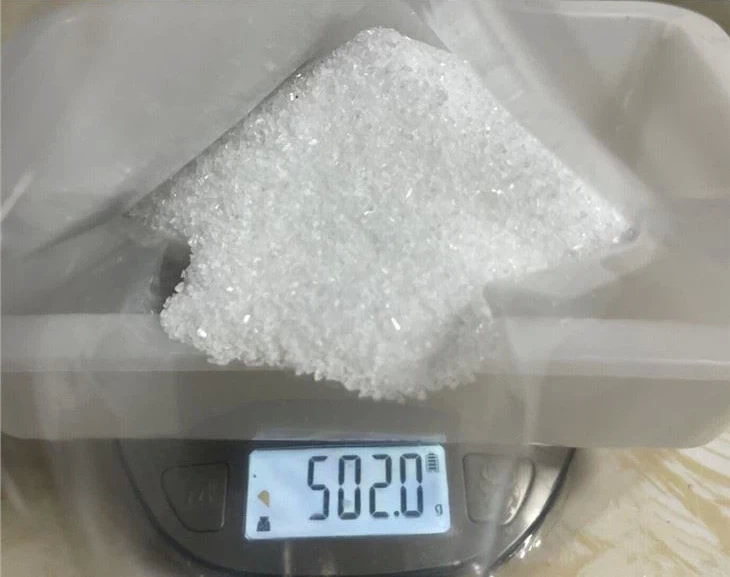
Procaine, often recognized under the trade name Novocain, is an ester-type local anesthetic known for its nerve-blocking capabilities. It functions by inhibiting nerve impulse transmission, resulting in temporary loss of sensation in the targeted area. Commonly administered via injection, procaine's effective onset and moderate duration make it a preferred choice in dental care, minor surgical procedures, and diagnostic interventions.
Procaine hydrochloride is the salt form used in injections, prized for its water solubility and stability—a key reason it can be effectively diluted in aqueous solutions like normal saline.
Normal saline is an isotonic, sterile solution of 0.9% sodium chloride in water. Its osmolarity closely matches that of human plasma, making it the fluid of choice for intravenous hydration, medication dilution, and wound irrigation. It provides a chemically neutral medium that supports the stability and efficacy of many injectable drugs including local anesthetics like procaine.
Because of its wide availability, safety profile, and physiological compatibility, normal saline is often the preferred diluent when preparing injectable medications.
The question of whether procaine can be mixed with normal saline is critical for healthcare professionals. The answer is yes — procaine hydrochloride is compatible with normal saline and can be safely diluted for injection purposes. This compatibility is backed by the chemical stability profiles of procaine and the non-reactive aqueous nature of saline.
When diluted correctly, procaine retains its analgesic properties without chemical degradation or precipitation. The neutral pH of normal saline and absence of interfering ions that could react with procaine help maintain solution clarity and potency.
Clinical practice guidelines often recommend diluting higher concentration procaine solutions, such as 1%, with normal saline to achieve lower concentrations better suited for specific procedures. Such dilutions facilitate more precise dose control while reducing risks associated with high concentrations.
Preparing procaine injections by mixing with normal saline involves precision and sterile technique. Below is a comprehensive guide for clinicians and pharmacists:
1. Gather Aseptic Materials: Collect a vial of procaine hydrochloride (generally 1%), sterile normal saline 0.9%, sterile syringes, and needles suitable for injection.
2. Calculate Dosage Requirements: Assess the required anesthetic concentration (e.g., 0.25%, 0.5%) based on procedural needs and patient factors.
3. Drawing and Mixing: Aseptically draw the prescribed volume of procaine solution and normal saline into a sterile syringe. For example, mix 15 mL of 1% procaine with 45 mL of normal saline to prepare 60 mL of 0.25% solution.
4. Gentle Mixing: Invert the syringe gently several times to combine solutions without creating air bubbles or froth.
5. Inspect the Solution: Ensure the resulting mixture is clear, free of particles or cloudiness indicating precipitation.
6. Administer Promptly: Use the freshly prepared solution immediately or keep under recommended storage conditions if waiting.
Such steps uphold the safety and efficacy of the anesthetic, minimizing risks of contamination and dosage errors.
Diluted procaine solutions serve several important clinical purposes:
- Local Anesthesia: Effective for numbing small areas during dental treatments, minor laceration repairs, biopsies, and other superficial procedures.
- Regional Nerve Blocks: Blocking larger nerve groups temporarily by injecting diluted procaine near nerve bundles.
- Combination Medications: Sometimes procaine is co-administered with other drugs in saline to achieve synergistic therapeutic effects.
The flexibility offered by diluting procaine with saline allows healthcare providers to customize anesthetic concentrations according to patient age, sensitivity, and procedure type, enhancing patient comfort and safety.
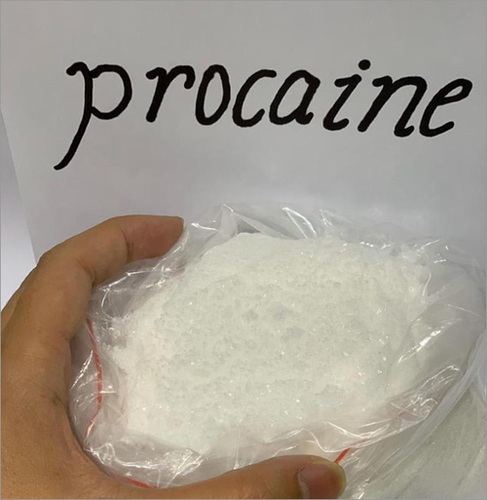
Using normal saline as the preferred diluent for procaine hydrochloride offers several benefits:
- Isotonic Environment: Minimizes tissue irritation and discomfort at injection sites.
- Chemical Stability: Does not react with procaine molecules, preserving drug integrity.
- Wide Availability: Normal saline is stocked in virtually all healthcare settings and is cost-effective.
- Ease of Handling: Clear solution allows visual inspection for quality assurance.
While mixing procaine with normal saline is generally safe, several considerations warrant attention:
- Dose Accuracy: The lowest effective dose should always be used to avoid systemic effects like CNS excitation or cardiovascular complications.
- Sterility: Any dilution process must follow sterile protocols to prevent infection.
- Allergic Reactions: Procaine is an ester anesthetic and can cause allergic reactions in susceptible individuals. Proper patient history and testing are essential.
- Avoid Mixing with Incompatible Substances: Procaine should not be mixed with calcium-containing solutions or incompatible drugs in the same syringe or infusion line, as this can cause precipitation or reduced efficacy.
- Storage: Diluted solutions should be used promptly to avoid microbial growth unless manufacturer guidelines allow otherwise.
Diluting procaine alters the concentration gradient allowing more controlled absorption at the injection site. Lower concentrations generally reduce systemic toxicity risks and prolong local effect by limiting rapid uptake into the bloodstream.
Special care is recommended when administering procaine to infants, the elderly, or patients with impaired liver or kidney function since metabolism and excretion rates can vary, affecting drug half-life.
Manufacturers and healthcare providers must ensure drug preparation complies with local pharmacopeial standards, including labeling, storage, and record-keeping, to maintain safety and traceability.
Proper training on dilution techniques, compatibility testing, and handling protocols is essential for nurses, pharmacists, and doctors to minimize errors and ensure patient safety.
Procaine hydrochloride can be safely and effectively mixed with normal saline for injection purposes, providing adaptable concentrations for diverse clinical applications. This compatibility is supported by procaine's chemical properties and saline's isotonic, neutral environment, which together maintain drug stability and potency. Strict adherence to aseptic preparation, dose regulation, and patient safety precautions optimizes outcomes. For brands, wholesalers, and manufacturers seeking OEM partnerships, our factory offers high-quality, compliant procaine products with customizable formulations to meet your market needs. Contact us today to learn more about our reliable OEM service offerings.
Procaine is primarily diluted with sterile normal saline due to its stability and isotonic nature. Other solutions like sterile water are sometimes used, but compatibility and safety must be confirmed, especially to avoid precipitation.
Typically, diluted procaine should be used immediately after preparation. If storage is necessary, follow specific manufacturer guidelines—usually within 24 hours and under refrigeration—to prevent contamination or degradation.
Ensure aseptic technique, avoid vigorous shaking, confirm solution clarity, monitor patient allergies, and verify dose accuracy to prevent complications.
Side effects are usually related to procaine itself and can include allergic reactions, dizziness, or local irritation. Dilution with saline helps reduce discomfort and toxicity risk.
Compatibility depends on the other drug involved. Mixing drugs in the same syringe or infusion line requires knowledge of chemical interactions to avoid incompatibility and precipitation. Always consult compatibility charts or pharmacological references.
[1] https://www.nps.org.au/assets/f136b6a3c0a64ee3-6c9ed0b01c6e-dc2a66d0aa36e23715d15343a1f8195e4dc4b9045a99501a1d7789de5fde.pdf
[2] https://www.made-in-china.com/products-search/hot-china-products/Procaine_Hydrochloride_Injection.html
[3] https://www.ema.europa.eu/en/documents/mrl-report/procaine-summary-report-committee-veterinary-medicinal-products_en.pdf
[4] https://patents.google.com/patent/CN107397721B/zh
[5] https://magistralbr.caldic.com/storage/product-files/1590302101.pdf
[6] https://patents.google.com/patent/CN112516074A/en
[7] https://www.sciencedirect.com/topics/pharmacology-toxicology-and-pharmaceutical-science/procaine-penicillin
[8] https://www.made-in-china.com/products-search/hot-china-products/Wholesale_Benzocaine_Hcl.html
[9] https://pmc.ncbi.nlm.nih.gov/articles/PMC5944059/
[10] https://v.youku.com/v_show/id_XNTAzMzEwNTgwOA==.html
Hot tags: Procaine Normal Saline Mixing, Procaine Injection Solutions, Saline Solution Uses, Mixing Local Anesthetics, Procaine Dosage Preparation, Normal Saline for Injections, Procaine Administration Guidelines, Injectable Solutions Compatibility, Procaine Injection Safety, Saline Solution Properties