Content Menu
● Mechanism of Action: How Procaine Works
● Does Procaine Cause Euphoria or a High?
● Procaine vs. Cocaine: Understanding the Differences
● Clinical Studies and User Experiences
● Side Effects and Safety Profile
>> Serious Adverse Effects (Rare)
● Industrial and Medical Applications
● Extended Discussion: Misconceptions and Myths About Procaine
● Frequently Asked Questions (FAQs)
>> 1. Does procaine have any recreational use?
>> 3. What does procaine feel like when administered?
>> 4. Can procaine be used safely without medical supervision?
>> 5. How is procaine different from lidocaine?
Procaine, commonly known under the brand name Novocain, is a local anesthetic widely used in medical, dental, and biotech fields for numbing tissue during procedures. As a leading OEM manufacturer in China specializing in biomedicine, medical devices, and pharmaceutical ingredients, we often get inquiries about the psychoactive properties of compounds like procaine, especially from international clients in the medical and research sectors.
A frequent question is: Does procaine get you high? This article provides a comprehensive and detailed exploration into procaine, covering its chemistry, pharmacology, effects, safety profile, legal status, and how it compares to other substances often confused with it. We aim to offer clear and professional insights for healthcare professionals, buyers, researchers, and other interested readers.
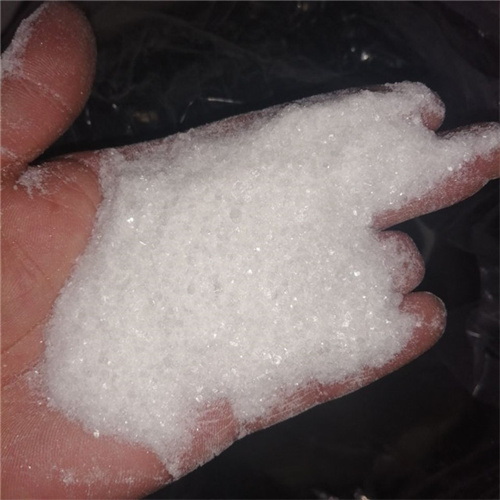
Procaine is an ester-type local anesthetic first synthesized in 1905. It is often used to temporarily block nerve signals and provide localized numbness during medical procedures such as dental treatments or minor surgeries. Procaine is structurally related to cocaine but importantly lacks cocaine's stimulant and euphoric effects.
Its main applications include:
- Local anesthesia in medical and dental procedures.
- Occasionally investigated for anti-aging therapies or as a neuroprotective agent in research settings.
- Serving as an ingredient for OEM pharmaceutical formulations.
Procaine's widespread acceptance in clinical practice is due to its effective numbing capabilities combined with a favorable safety profile.
Procaine exerts its anesthetic effect by selectively blocking voltage-gated sodium channels on nerve cell membranes. By inhibiting sodium influx, procaine prevents the initiation and propagation of nerve impulses responsible for sending pain and other sensory signals to the brain. This nerve blockade results in localized numbness.
Key points about procaine's mechanism:
- Unlike stimulants, it does not activate nor increase neural activity; it suppresses it locally.
- It has a limited ability to cross the blood-brain barrier, so systemic psychoactive effects are minimal to nonexistent at therapeutic doses.
- Rapid enzymatic breakdown in the bloodstream reduces the chance of accumulation or central nervous system penetration.
Because of these factors, procaine is effective at a local level without causing significant effects on mood, cognition, or consciousness.
The critical question is whether procaine produces a “high” — feelings of euphoria, altered perception, or intoxication commonly sought with recreational drugs.
- At usual clinical dosages injected locally, procaine does not cause euphoria or recreational highs.
- Some anecdotal reports and limited clinical studies note that very high intravenous doses might create mild emotional or sensory alterations, particularly in individuals with a history of stimulant drug use.
- These effects are not consistent, usually mild, and sometimes accompanied by feelings of anxiety or discomfort rather than pleasure.
- The lack of stimulant action, lack of significant brain penetration, and rapid metabolism mean that procaine does not produce classic drug “high” effects like cocaine or amphetamines.
Therefore, for the average user receiving procaine for medical purposes, there is virtually no recreational psychoactive effect.
Though chemically related, procaine and cocaine have very different pharmacological profiles.
- Cocaine is not only a local anesthetic but also a powerful central nervous system stimulant. It affects dopamine, norepinephrine, and serotonin pathways, leading to intense euphoria, increased energy, and addiction potential.
- Procaine, on the other hand, only serves as a local anesthetic, without appreciable stimulant or euphoric action.
- Cocaine has high abuse potential and is strictly controlled worldwide.
- Procaine is approved as a medical anesthetic, typically available by prescription, and has no recognized potential for abuse.
Understanding this distinction clarifies why procaine is safe for medical use and is not a substance of misuse in most contexts.
Extensive clinical research has explored procaine's safety and psychoactive potential:
- In controlled trials involving addicts, high intravenous procaine doses sometimes induced subjective sensations loosely resembling cocaine effects, such as mild mood changes or altered sensory experiences. However, these sensations were less intense, transient, and often uncomfortable.
- Psychiatric studies have reported that procaine might cause mild cognitive or sensory distortions at large doses, but these effects are not characteristic of normal clinical administration.
Most importantly:
- Standard doses for local anesthesia are well below levels that might provoke behavioral or emotional effects.
- Side effects remain largely limited to localized numbness and minor systemic symptoms like dizziness.
This research supports the clinical observation that procaine does not cause a traditional “high.”
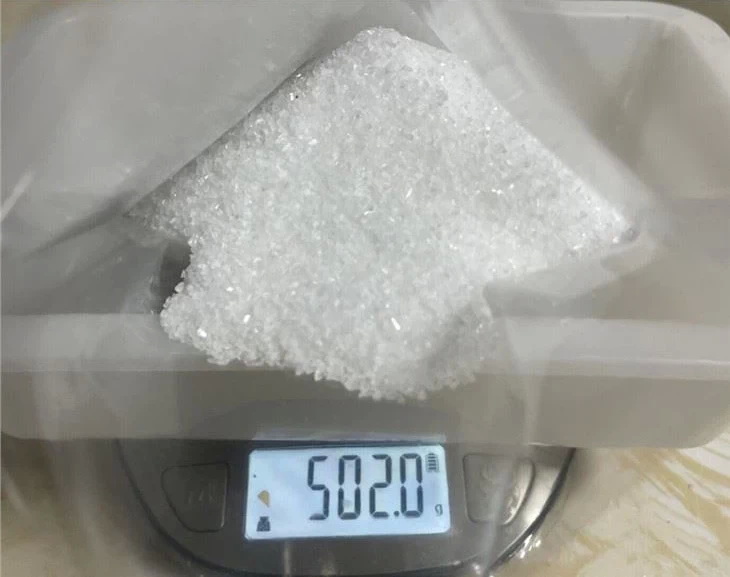
While procaine has a strong safety record, it is not without potential side effects and considerations:
- Temporary nervousness or jitteriness following injection.
- Light-headedness or dizziness.
- Mild tingling or numbness beyond the target area (can be transient).
- Allergic reactions, though rare, due to metabolites such as para-aminobenzoic acid (PABA). These allergies occur at a very low rate.
- Hypersensitivity reactions (including anaphylaxis in extremely rare cases).
- Cardiac effects in susceptible individuals, especially those with enzyme deficiencies affecting procaine metabolism.
- Overdose risks, which can induce convulsions or cardiovascular complications, typically result from improper dosing or accidental intravenous administration.
Procaine's safety largely depends on proper medical supervision and adherence to dosing guidelines.
- Procaine is widely approved for medical use in many countries, often regulated as a prescription medication.
- It is not classified as a controlled substance in the way cocaine is.
- Restrictions focus on ensuring proper use in licensed medical or research settings.
This regulatory status reflects procaine's low abuse potential and important role in healthcare.
Beyond anesthesia, procaine has several relevant applications:
- Medical uses: local anesthesia in dentistry and minor surgeries; sometimes researched for adjunctive roles in vascular therapies or neurology.
- Industrial uses: as a chemical reagent in pharmaceutical OEM manufacturing; intermediate precursor in synthesis of related compounds; component in customized formulations for clients worldwide.
- Research tool: procaine is sometimes used experimentally to study nerve function or specific biochemical pathways.
Our production facility specializes in providing high-quality procaine tailored to such diverse needs, ensuring compliance and stability for OEM customers.
Due to its chemical relation to cocaine, procaine is often mistakenly associated with recreational drug use or abuse. These misconceptions arise from:
- The similarity in naming and molecular structure between procaine and cocaine.
- Anecdotal or outdated reports suggesting psychoactive effects.
- Popular media confusion linking all cocaine analogs as intoxicants.
Education based on pharmacology and clinical evidence is key to dispelling these myths. Procaine's lack of stimulant action and minimal brain penetration confirm it is not a substance that induces a “high.” Its use remains confined to effective, localized anesthesia without potential for addiction or misuse.
Procaine is a safe and effective local anesthetic widely used in medicine and dentistry. While chemically related to cocaine, it lacks cocaine's stimulant and euphoric effects and does not induce a recreational “high” at normal dosages. Clinical evidence supports its low abuse potential and excellent safety profile when properly administered.
Our factory provides pharmaceutical-grade procaine with comprehensive OEM services, tailored to meet international quality and regulatory requirements. Whether you need procaine for medical applications, research purposes, or customized formulations, we deliver reliable products with expert support.
Contact us today to discuss your OEM, wholesale, or bulk procaine supply needs. Our dedicated team is standing by to assist you with customized solutions and technical guidance!
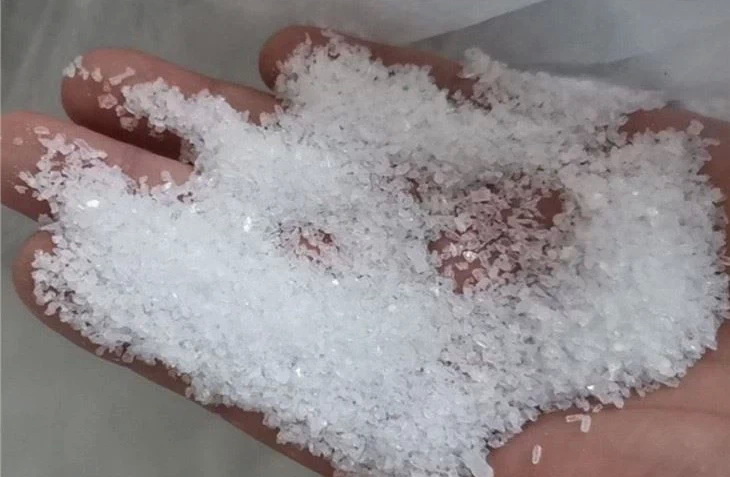
Procaine is not considered a recreational drug because it rarely causes euphoria or psychoactive effects at therapeutic doses. Any mild sensations reported occur only at unusually high or intravenous doses and are not typical.
No. Procaine does not have addictive properties. Unlike cocaine, it does not stimulate the brain's reward pathways and has very low abuse potential.
Procaine primarily causes numbness in the treated area. Some individuals may feel light-headedness or slight nervousness, but a “high” or altered mental state is unusual.
No. Procaine should only be used under the guidance of trained healthcare providers to avoid allergic reactions, overdose, or other complications.
Both are local anesthetics, but lidocaine is generally more potent and widely used today. Procaine has a slower onset and is more allergenic, so its use has declined but remains important in specific contexts and research.