Content Menu
● How Is Procaine Used in Medicine?
● OTC vs Prescription: Understanding Medication Access
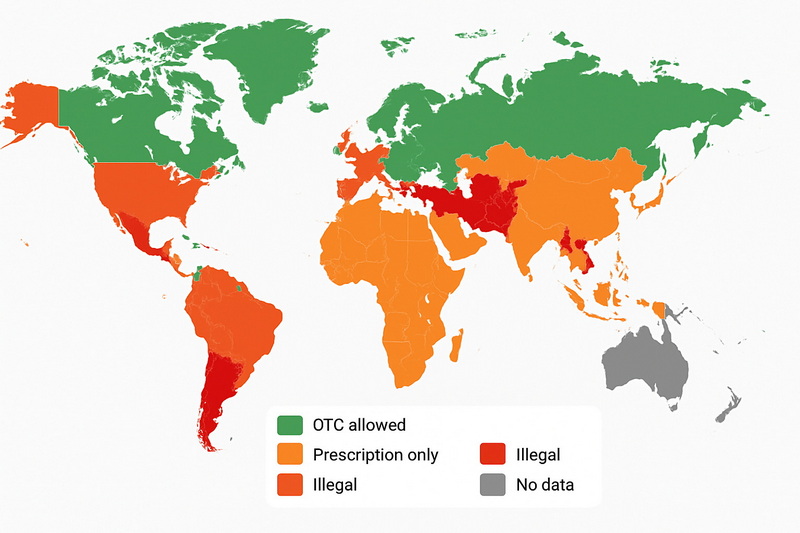
● Global Regulatory Status: Can You Buy Procaine OTC?
>> Procaine in the United States
>> Procaine in the United Kingdom
>> Summary of OTC Status by Region
● Risks, Side Effects, and Safe Usage
● Alternatives to Procaine for OTC Needs
● FAQ: Procaine – Key Questions and Answers
>> 1. Is procaine available without a prescription in the US or UK?
>> 2. What are the risks of self-medicating with procaine?
>> 3. What should I use instead of procaine for minor pain relief?
>> 4. Why was Novocain (procaine) discontinued as an OTC product?
>> 5. Can procaine be purchased online internationally?
Procaine, a well-known local anesthetic, has played a significant role in medical procedures since its introduction in the early 20th century. Commonly recognized under the trade name Novocain, procaine is primarily used to block nerve impulses, offering pain relief during various surgical and dental procedures. However, with the growing demand for over-the-counter (OTC) medications globally, many wonder whether procaine is accessible without a prescription and what regulations surround its use.
In this comprehensive article, we delve into the world of procaine, exploring its uses, global regulatory landscape, availability, risks, and the practicalities affecting whether you can buy procaine OTC. Whether you are a healthcare professional, a vendor, or a curious consumer, this guide offers the clarity you need on procaine's OTC status worldwide.
Procaine is an ester-type local anesthetic. Its primary mechanism is to block the generation and transmission of nerve impulses, particularly by modulating sodium channels along nerve fibers. This action leads to temporary loss of sensation, making procaine invaluable in surgical, dental, and various medical treatments.
Procaine is also widely known by the trade name Novocain and is typically administered as procaine hydrochloride (HCl). It is often formulated in injectable solutions with concentrations ranging from 1% to 4%, depending on the medical application. The drug's chemical structure allows it to interfere with nerve conduction effectively, providing localized anesthesia without affecting the patient's consciousness.
This anesthetic was once revolutionary in dentistry and surgery, helping practitioners perform procedures painlessly, significantly improving patient comfort and outcomes. While newer anesthetics have emerged, procaine's historical and ongoing role remains important in many medical contexts.
Procaine finds various applications across medicine and dentistry due to its anesthetic properties. Some of its major uses include:
- Local anesthesia for minor surgical procedures: Procaine is administered to numb specific areas during operations such as skin biopsies, cyst removals, or minor soft tissue surgeries.
- Dentistry: It was a staple anesthetic for tooth extractions, cavity treatments, and gum procedures. Although other local anesthetics now dominate the market, procaine is still used in some dental settings.
- Dermatological procedures: Procaine can be applied before cosmetic dermatological treatments to minimize discomfort.
- Veterinary medicine: It is widely used in veterinary medicine for minor surgeries, dental work, and pain relief in animals ranging from household pets to livestock.
The mechanism by which procaine works involves stabilizing nerve membranes and preventing the initiation and propagation of nerve impulses by blocking sodium channels. This action interrupts sensory signal transmission, effectively numbing the targeted area.
In terms of administration, injection is the most common form, providing quick and effective localized anesthesia. Topical applications are less common for procaine due to limited skin penetration, but creams, ear drops, and dental solutions may contain procaine or similar agents.
Overall, procaine's effectiveness, safety profile, and relatively low allergenicity initially made it highly popular, though newer anesthetics with longer duration and fewer side effects have largely replaced it in many regions.
Before exploring the availability of procaine OTC, it is important to define key terms:
- Over-the-counter (OTC): Medications accessible directly to consumers without a prescription.
- Prescription: Medicines that require authorization from a licensed healthcare provider before purchase.
- Pharmacy-only: Drugs sold only under the supervision of a pharmacist but do not require a formal prescription.
Many anesthetics, especially injectable forms like procaine, are tightly regulated due to potential misuse and risks associated with incorrect application, side effects, and allergic reactions. As a result, procaine's OTC availability is rare or nonexistent in most countries.
Understanding the difference between OTC and prescription medications helps consumers make informed decisions about drug safety, appropriate usage, and legality.
In the United States, procaine hydrochloride is not approved by the Food and Drug Administration (FDA) as an OTC medication. Historically, procaine was introduced under the trade name Novocain and widely used in dental procedures. However, the product has been discontinued by manufacturers, not due to safety concerns but because of evolving clinical preferences and the emergence of newer, more effective anesthetics such as lidocaine.
While there are FDA-approved topical anesthetics available without prescription, such as lidocaine formulations, procaine itself is prescription-only, especially for injectable forms. This ensures that administration is performed safely by professionals who can manage dosage and monitor for adverse effects.
In the UK, procaine and related injectable forms fall under prescription-only medications regulated by the Medicines and Healthcare products Regulatory Agency (MHRA). Some topical anesthetic creams are available OTC or as pharmacy-only medicines, but these typically contain other agents such as lidocaine or benzocaine rather than procaine.
Exceptions are rare and generally limited to products with minimal procaine concentrations in non-injectable forms. Overall, procaine for medical-grade anesthesia requires a prescription and professional administration to ensure patient safety.
In certain European countries, specific procaine-containing topical preparations may be classified as OTC and sold in pharmacies or parapharmacies without prescription. However, injectable procaine and higher-concentration formulations remain prescription-only and used exclusively under medical supervision.
In Asia, the regulations vary widely by country. Some jurisdictions allow limited OTC sale of procaine in topical forms, while most require a prescription for anesthetic use, especially for injection. Veterinary use also shows varied regulations, with procaine authorized under prescription in many places but sometimes available OTC for minor animal procedures.
Procaine is authorized in veterinary medicine for local anesthesia in minor animal surgeries and treatments. In some countries, regulations permit veterinarians or authorized professionals to purchase procaine OTC to administer to livestock or pets, although many jurisdictions still restrict it to prescription use given its potential risks.
- United States: Not available OTC; all procaine products require prescription.
- United Kingdom: Prescription-only for all procaine formulations; OTC only for some topical non-procaine anesthetics.
- Europe: Limited OTC availability of topical creams in some countries; injectable forms are prescription-only.
- Asia: Mixed regulation; limited OTC topical use possible, but prescriptions needed in most cases.
- Veterinary: Often prescription-based but varies; some OTC for livestock.
Although procaine has a long history of safe use, it is not without risks. Understanding side effects and safety considerations is essential, especially for unsupervised or non-professional use.
- Local reactions such as pain, redness, swelling, or irritation at the injection site.
- Systemic effects including dizziness, sedation, nausea, vomiting.
- Allergic reactions range from mild skin rash to severe anaphylaxis in rare cases.
- Severe complications can include cardiac arrhythmias, seizures, and central nervous system toxicity if administered incorrectly or overdosed.
Those with known hypersensitivity to ester-type anesthetics or with certain heart conditions must exercise caution.
- Procaine is generally not recommended during pregnancy or breastfeeding unless specifically prescribed by a doctor, as sufficient safety data is lacking.
- Individuals with allergies to procaine or related compounds should avoid use.
- Elderly and cardiac patients require careful dosing and monitoring.
- Procaine administration should be restricted to trained healthcare providers to prevent complications.
Local anesthetic systemic toxicity (LAST) can result from accidental intravascular injection or overdose of procaine. Symptoms include convulsions, respiratory depression, and cardiovascular collapse, which can be life-threatening without prompt medical intervention.
Users should never self-administer injectable procaine or exceed recommended dosages of topical formulations and should seek emergency care if adverse reactions occur.
For consumers seeking local anesthetic relief without prescription requirements, several alternatives are widely available over the counter:
- Lidocaine: The most common topical anesthetic available OTC, used for skin irritations, insect bites, minor burns, and neuralgia. Lidocaine creams, gels, sprays, and patches offer effective pain relief.
- Benzocaine: Used primarily in topical dental gels, throat lozenges, and skin preparations, benzocaine provides rapid localized numbness but can cause rare allergic reactions like methemoglobinemia.
- Non-Anesthetic Options: Over-the-counter analgesics such as NSAIDs (ibuprofen) and acetaminophen can manage mild pain without anesthetic action.
Consumers should select appropriate products based on the condition, severity of pain, and usage instructions, ideally consulting pharmacists or healthcare providers for guidance.
While procaine remains a cornerstone in anesthetic medicine due to its effectiveness in blocking nerve impulses for pain relief, its availability is tightly controlled worldwide. As of 2025, procaine hydrochloride is not sold over the counter in key markets such as the United States and the United Kingdom, with prescription-only status maintained to safeguard patient safety.
The injectable forms of procaine are generally confined to professional use, while some limited OTC topical forms exist in certain regions, often replaced by safer and more convenient alternatives like lidocaine or benzocaine. Self-medication with procaine is strongly discouraged due to risks of adverse effects, allergic reactions, and potential toxicity.
For minor pain relief or anesthesia needs without prescriptions, consumers are better served by approved OTC anesthetics and analgesics. Always consult healthcare professionals before starting new medications, especially local anesthetics, to ensure safe and effective use.

No. Both the United States and the United Kingdom require prescriptions for procaine, especially for injectable products. OTC topical anesthetics in these countries rarely contain procaine and are more commonly based on lidocaine or benzocaine.
Self-medication risks include allergic reactions, central nervous system toxicity, and severe cardiovascular complications. Incorrect dosing or administration significantly increases these dangers, making professional supervision essential.
OTC anesthetics such as lidocaine or benzocaine gels, creams, and sprays provide effective and generally safe options for minor pain and skin irritations. Analgesics like NSAIDs and acetaminophen are alternatives for general pain relief.
Novocain was discontinued due to changes in clinical practices favoring newer anesthetics with longer duration and fewer side effects, as well as manufacturer decisions unrelated to safety concerns.
Some online pharmacies may offer procaine, but legal restrictions on prescription medicines and medication importation vary widely. Purchasing procaine online without prescriptions is often illegal and unsafe, so it is vital to comply with local regulations.
Hot tags: Buy Procaine OTC, Is Procaine Over The Counter, Procaine No Prescription Needed, OTC Local Anesthetics, Where To Get Procaine Without Prescription, Legal OTC Procaine, Buy Anesthetic Without RX, Procaine At Pharmacies, Non-Prescription Procaine, OTC Pain Relief Products