Content Menu
● Global Medical Applications of Procaine
● Understanding the Legality of Procaine
● Legality of Buying Procaine by Region
>> Europe
>> Canada
>> China
>> Importation & Customs Considerations
● Legal Risks and Compliance Strategies
>> Medical and Research Procurement
>> Manufacturing, OEM, and Wholesale Purchases
>> Personal Use and Online Purchasing
● Distinguishing Procaine from Cocaine in Legal Terms
● Practical Guidance for Buyers
>> For Businesses and Healthcare Providers
>> For Importers and Distributors
● FAQ
>> 1. Is procaine a controlled substance?
>> 2. Can I buy procaine online legally?
>> 3. Do I need a permit to import procaine for my company?
>> 4. What are the main uses of procaine today?
>> 5. What penalties exist for illegal possession or import of procaine?
Procaine, widely known under the trade name Novocaine, has a storied history as a local anesthetic used in medical and dental procedures. While its medical applications are well-established, its legality, availability, and regulation are less straightforward. This article explores the legal status of buying procaine globally, providing clarity for businesses, healthcare professionals, researchers, and individuals who may seek to acquire it for various legitimate purposes.
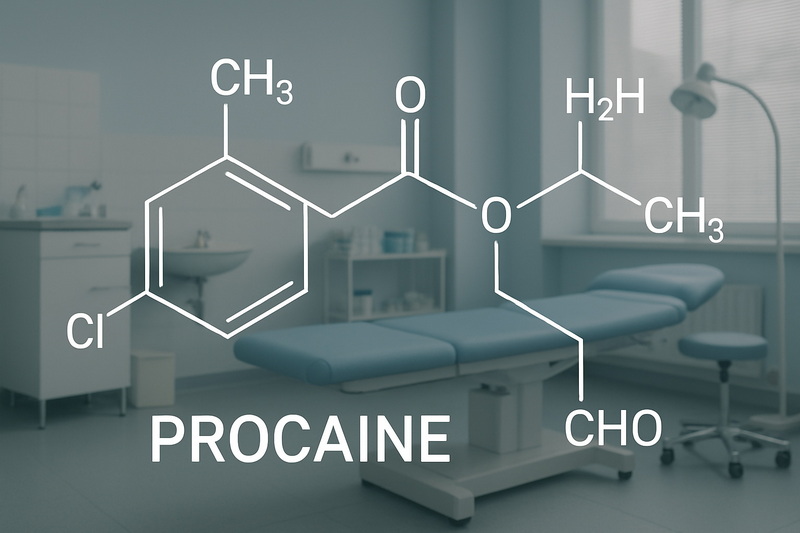
Procaine is a synthetic local anesthetic belonging to the amino ester group. Developed in the early 20th century, its main function is to block nerve signals, thereby numbing specific areas for minor surgical, dental, or veterinary procedures.
- Chemical Name: 2-diethylaminoethyl 4-aminobenzoate
- Common Forms: Procaine powder, procaine hydrochloride, injectable solutions
- Primary Uses: Local anesthesia for medical, dental, and veterinary procedures; historical use in anti-aging treatments.
Despite being largely replaced by modern anesthetics such as lidocaine and bupivacaine, procaine remains in use in various regions due to its favorable safety profile and cost-effectiveness.
Procaine continues to have medical relevance in many parts of the world. Beyond its common use in dental anesthesia – where it helps patients undergo painful procedures comfortably – procaine is valuable for pain reduction during intramuscular injections and is utilized in veterinary anesthesia, especially for large animals. Veterinary use includes procedures on horses, cattle, and sheep where local anesthesia is needed.
Historically, procaine also found use in anti-aging and alternative medicine circles, promoted for purported detoxifying effects. Although these uses do not have strong scientific backing, they have contributed to the demand and regulated control of the substance.
Procaine is regulated to ensure it is used safely and to prevent misuse. Because it serves as a precursor in chemical synthesis and can be involved in the illicit manufacture of narcotics, governments impose legal controls to monitor and restrict uncontrolled distribution.
While procaine itself is not classified as a narcotic, the regulatory oversight is important to avoid diversion. Moreover, improper use or dosing can cause adverse effects, prompting health authorities to keep the substance under prescription-only status or even more stringent controls.
The legality of purchasing procaine depends on several factors:
- Geographical Jurisdiction: Laws vary significantly between countries and regions. Some have strict licensing requirements, while others permit more accessible use.
- Intended Use: Medical, veterinary, research, cosmetic, or industrial uses are frequently regulated differently.
- Form of Substance: Regulations distinguish between pharmaceutical-grade injectable procaine, raw powder, or compounded pharmaceutical products.
- License Requirements: Many jurisdictions limit use and purchase to licensed professionals or accredited institutions.
In commercial contexts, compliance with laws governing pharmaceutical imports, exports, and manufacturing is essential to avoid legal repercussions.
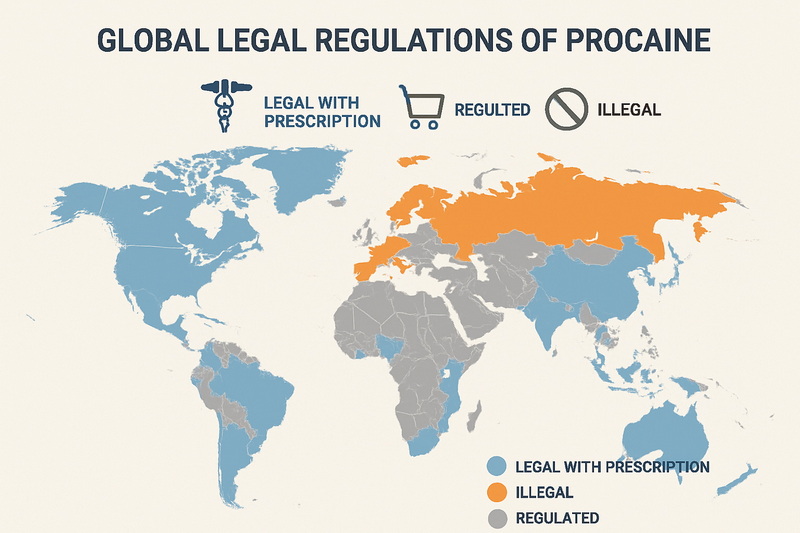
In the United States, procaine is classified as a prescription drug. Its distribution is tightly controlled, and it is legally available only with a valid prescription from a licensed medical or veterinary professional. Hospitals, clinics, and veterinary offices acquire procaine through authorized pharmaceutical suppliers.
An interesting exception exists in some states, like Nevada, where oral doses of stabilized procaine hydrochloride formulations, such as Gerovital H3, may be available over the counter under regulated conditions, requiring mandatory record keeping.
In the European Union, procaine-containing medications require prescriptions, whether for human or veterinary use. For instance, procaine benzylpenicillin, an antibiotic formulation, is widely used under licensed conditions.
The United Kingdom maintains similar regulations post-Brexit, emphasizing prescription-only sales confined to licensed pharmacies. Veterinary use for animals follows parallel controls.
Both countries treat procaine as a prescription-only substance, controlling its manufacture, distribution, and import. Import permits and strict licensing are necessary to handle the drug legally.
Canada classifies procaine under Schedule F of the Food and Drugs Act, making it available only through prescription. Both medical and veterinary uses are similarly regulated.
China enforces rigorous control over procaine, requiring manufacturing factories and distributors to obtain licenses and permits. Exporting bulk procaine involves adherence to customs declarations and health department inspections. This level of oversight ensures that international buyers receive legitimate products and helps prevent smuggling.
Many regions permit procaine primarily for veterinary applications, especially in agriculture-based economies in Africa, Latin America, and parts of South Asia. Human medical use is tightly controlled or restricted due to regulatory capacity or specific national policies.
International trade of procaine requires proper classification using the Harmonized System (HS) code 2922.49. Accurate coding facilitates customs clearance and helps avoid shipment delays or confiscations. Importers must ensure all licensing and documentation comply with both origin and destination country laws.
Medical facilities must be licensed and follow stringent inventory management standards to demonstrate compliance. Research institutions need import permits, secure storage facilities, and clear documentation to handle procaine legally.
Businesses importing or exporting procaine for manufacturing purposes must navigate a complex regulatory environment. This includes securing export licenses, customs declarations, and meeting the quality standards demanded by buyers and regulators alike.
Almost universally, buying procaine for personal use without a prescription is illegal. Online markets pose a particular risk, as many unverified vendors sell procaine without proper authority, risking legal sanctions for buyers and sellers alike. Customs authorities frequently monitor shipments and seize unauthorized imports.
A common misconception is conflating procaine with cocaine. Though both share some chemical characteristics and the ability to block sodium channels, they are distinct substances:
- Procaine: Non-narcotic local anesthetic, legal under medical regulation.
- Cocaine: Narcotic with psychoactive properties, subject to international bans except under tightly controlled medical use in few jurisdictions.
Procaine is occasionally wrongly used to dilute illicit cocaine; however, procaine itself is not psychoactive and not a target of criminal prohibition similar to cocaine.
- Confirm local and international regulations before acquiring procaine.
- Purchase only from verified, licensed suppliers.
- Maintain meticulous purchase and usage records for audits and inspections.
- Ensure correct use of HS codes and accurate customs documentation.
- Monitor regulations in both exporting and importing countries to avoid shipment delays or legal issues.
- Keep all permits current and accessible.
- Avoid purchasing procaine without a prescription.
- Be cautious of online sales; counterfeit or illegal products pose health and legal risks.
- Seek legitimate medical advice if anesthesia is required.
- Hospitals legally purchase procaine with prescriptions and comply with storage and record-keeping rules.
- Veterinarians use procaine under veterinary licenses for animal treatment.
- Unauthorized individuals attempting online purchases often face seizure and prosecution.
- Businesses involved in OEM production require export-import permits and strict adherence to quality standards.
Failing to comply with procaine regulations can lead to severe consequences including:
- Confiscation by customs authorities.
- Monetary fines or legal prosecution.
- Suspension or revocation of business licenses.
- Damage to company reputation impacting future operations.
- Regularly consult legal and regulatory experts because pharmaceutical laws evolve.
- Keep thorough records of all procaine transactions and usage.
- Register your business and products with appropriate regulatory bodies to facilitate inspections and audits.
Procaine remains a useful and legally regulated local anesthetic in many countries worldwide, especially for medical, dental, and veterinary applications. However, the right to purchase and possess it is closely monitored; typically, a valid prescription or professional license is required.
For OEM manufacturers and bulk purchasers, compliance with both exporting and importing countries' regulations is critical to avoid the legal pitfalls associated with handling pharmaceutical substances. Individual buyers without prescriptions should refrain from attempts to purchase procaine as such acts are generally illegal and fraught with risks.
Being informed, diligent, and compliant safeguards your business and personal interests, ensuring safe and legal access to this important pharmaceutical agent.
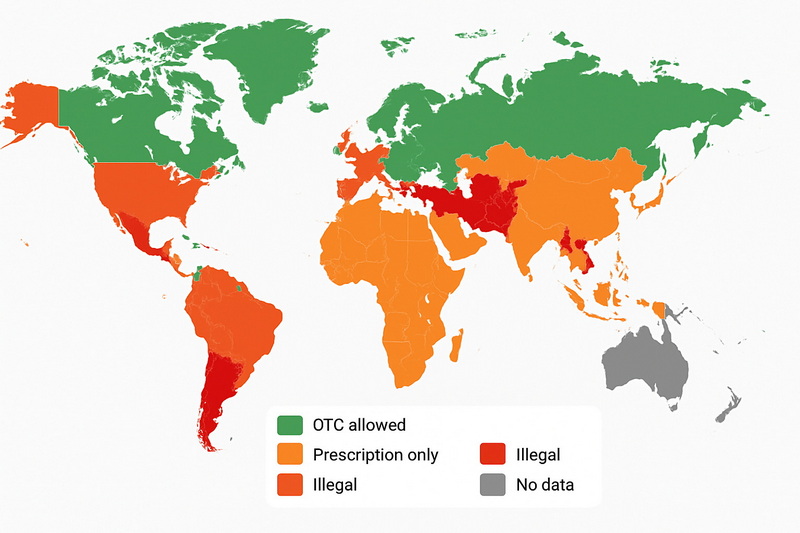
No, procaine is generally not classified as a controlled drug internationally. However, it is considered a prescription medicine in most countries, restricting purchase and use to licensed professionals.
Only if you have a valid prescription and buy from an authorized pharmacy or licensed distributor. Unauthorized purchases are illegal and subject to customs seizure and legal penalties.
Yes, importing procaine for commercial or research purposes requires permits, proper customs documentation, and compliance with both exporting and importing country regulations.
Procaine is primarily used as a local anesthetic in dentistry, minor surgeries, and veterinary medicine. It is less commonly used in systemic medical treatments due to safer alternatives.
Penalties include confiscation, fines, criminal charges, and possible business license revocation, depending on jurisdiction and offense severity.
Hot tags: Is Procaine Legal To Purchase, Legal Status Of Procaine, Buy Procaine Legally In USA, Procaine Drug Laws, Is It Safe To Buy Procaine Online, Procaine Legal Restrictions, Procaine Purchase Laws, Procaine And FDA Regulations, Anesthetic Legal In US, Controlled Substance Procaine