Content Menu
● Understanding Lidocaine and Its Forms
● The Fundamental Process Overview
>> 1. Preparation of Lidocaine Solution
>> 2. Crystallization Initiation
>> 5. Drying the Lidocaine Powder
● Detailed Step-by-Step Methodology
>> Preparation and Concentration
● Industrial Quality Control and Parameters
● Safety and Regulatory Considerations
● Advantages of Lidocaine Powder Over Liquid Form
● Expanding Applications of Powdered Lidocaine
● Frequently Asked Questions (FAQ)
>> 1. What solvents are typically used to dissolve lidocaine for crystallization?
>> 2. How long does the drying process take when producing lidocaine powder?
>> 3. Can the conversion of liquid lidocaine to powder be performed at home or on a small scale?
>> 4. What purity levels are achievable with this powder conversion process?
>> 5. Is powdered lidocaine directly usable in pharmaceutical formulations?
Lidocaine is a widely used local anesthetic essential in pharmaceutical, medical device, and healthcare industries. While it is commonly supplied in liquid form for injections, topical gels, or sprays, transforming liquid lidocaine into powder form plays a critical role in manufacturing, storage, transportation, and formulation of solid dosage forms such as tablets, capsules, and patches. This article explores in depth the scientific principles and industrial techniques involved in converting liquid lidocaine into a high-purity powder, elaborating on each key step of the process, and highlighting important considerations for quality, safety, and efficiency.
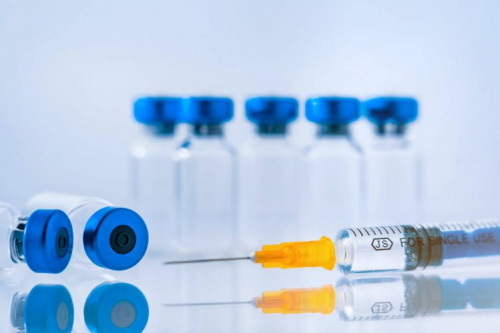
Lidocaine, chemically known as 2-(diethylamino)-N-(2,6-dimethylphenyl)acetamide, is a potent local anesthetic used worldwide. It is predominantly available as lidocaine hydrochloride, a water-soluble salt, which is dissolved in aqueous solutions or solvents to produce liquid formulations. These liquid forms offer direct usability for injections or topical applications but face challenges related to stability, handling, and dosage precision over long periods.
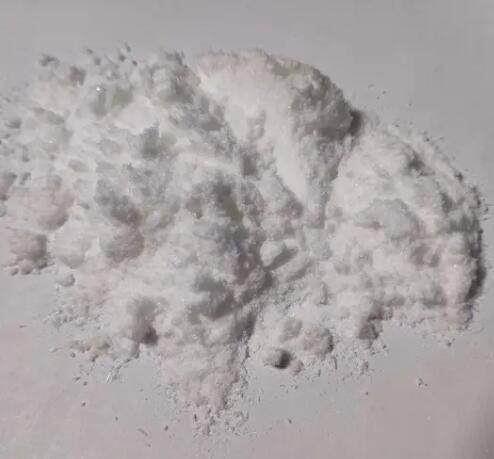
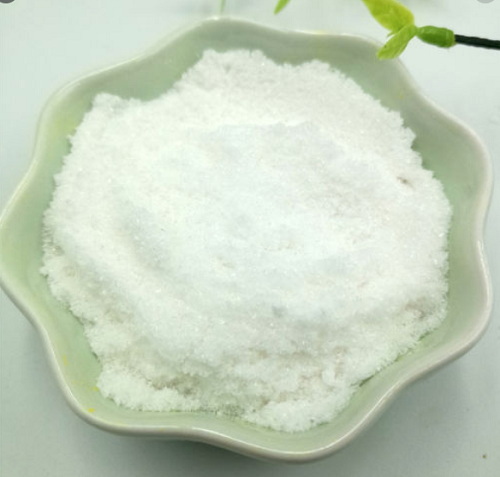
Powdered lidocaine, on the other hand, refers to lidocaine in its crystalline or amorphous solid state. Powder form offers enhanced stability, longer shelf life, and flexibility for downstream pharmaceutical processing, including blending with excipients or incorporation into solid delivery systems. The powder can be manufactured as lidocaine base or as its hydrochloride salt, typically achieving purity levels exceeding 99%.
Converting liquid lidocaine into powder enables manufacturers to optimize logistics and formulation versatility. However, this requires a carefully orchestrated process to ensure purity, crystal quality, and pharmacological effectiveness.
The industrial transformation from liquid lidocaine to powder involves multiple consecutive stages that convert dissolved lidocaine molecules into solid crystalline particles while removing the solvent and any impurities. The main phases include:
A purified lidocaine solution, usually lidocaine hydrochloride dissolved in water or a suitable solvent system, is the starting point. The solution must be well-characterized with known concentration and free from insolubles or contaminants.
The primary method to transition lidocaine from liquid to solid is inducing crystallization. This can be achieved by controlled cooling, solvent evaporation, or adding anti-solvents that reduce solubility. The goal is slow and uniform crystal growth to achieve pure, stable particles.
Once lidocaine crystals have formed, they need to be separated from the remaining liquid ("mother liquor"). Techniques include vacuum filtration or centrifugation, both of which preserve crystal integrity while efficiently removing solvent.
To remove residual impurities or solvent molecules trapped on the crystal surface, the crystals undergo washing with suitable solvents – typically cold water, ethanol, or acetone. Washing must be carefully controlled not to dissolve the crystals themselves.
The final step is thorough drying to eliminate residual moisture or solvents. This is usually conducted under vacuum and controlled temperature, or via freeze-drying for sensitive formulations, resulting in a free-flowing lidocaine powder suitable for further pharmaceutical use.
Each of these stages integrates precise parameters such as temperature, solvent system composition, agitation speed, and filtration media to control crystal size, purity, and physical properties.
Manufacturing starts with a high-grade lidocaine hydrochloride solution. This aqueous or mixed solvent solution must have the appropriate concentration for efficient crystallization. Sometimes additives like sodium chloride or medicinal activated charcoal are introduced to adjust ionic strength or remove impurities prior to crystallization. Continuous stirring ensures uniform distribution.
Crystal formation is the heart of the conversion process. Solubility decreases with temperature for many substances, including lidocaine hydrochloride, allowing crystallization by controlled cooling. Cooling rates must be optimized—too rapid cooling can cause amorphous precipitation or impurities; too slow cooling may reduce throughput.
Alternatively, solvent evaporation reduces the solvent volume gradually, concentrating lidocaine beyond its solubility limit and triggering crystallization. Anti-solvent crystallization involves introducing a solvent in which lidocaine is poorly soluble (e.g., ethanol into an aqueous solution), causing the lidocaine to precipitate. Selection depends on industrial equipment and purity requirements.
After adequate crystal formation, solids must be separated from the liquid phase. Vacuum filtration employs filter papers or membranes combined with suction to quickly collect crystals. Centrifugal separation is another method when fine crystals or viscous solutions are involved. Proper filtration avoids mechanical damage and allows recovery of mother liquor for recycling.
Crystals contain mother liquor and possible impurities on their surfaces. Washing with cold, suitable solvents removes these contaminants. Water washes eliminate residual salts, ethanol removes organics or oils, and acetone can remove residual moisture. Volume and temperature of washing solvents must be optimized to prevent crystal dissolution.
Drying eliminates moisture and residual solvents, essential to obtain a stable, pure powder. Vacuum drying removes solvents at lower temperatures, minimizing decomposition risks. Freeze-drying (lyophilization) involves freezing the crystals and sublimating ice under vacuum, preserving fine crystalline structure. Drying endpoints are monitored through residual moisture analysis ensuring suitability for solid dosage formulation.
Producing pharmaceutical-grade lidocaine powder demands rigorous quality control at every stage. Key metrics include:
- Purity Testing: Analytical methods like high-performance liquid chromatography (HPLC) confirm lidocaine purity exceeding 99%, with minimal degradation products.
- Particle Size Analysis: Consistent particle size distribution is critical for uniform mixing and dissolution rates in final products.
- Moisture Content: Low residual moisture (ascertained by Karl Fischer titration) prevents microbial growth and ensures stability.
- Batch Consistency: Reproducibility between batches guarantees reliable potency and safety for downstream pharmaceutical manufacturing.
Meeting Good Manufacturing Practices (GMP) and regulatory guidelines is mandatory, ensuring products conform to pharmacopeial standards.
Lidocaine manufacturing facilities handle pharmacologically active substances, imposing strict safety protocols to protect workers and the environment. Measures include controlled access, personal protective equipment, proper ventilation, and emergency procedures for spills or exposure.
Regulatory compliance also covers documentation, validation of processes, and traceability. These aspects are critical when supplying lidocaine powder to global pharmaceutical clients adhering to FDA, EMA, and other regulatory agencies.
- Improved Stability: Powdered lidocaine is less prone to degradation, hydrolysis, or microbial contamination.
- Easier Transport & Storage: Dry powders reduce weight and volume; no special cold chain logistics required.
- Formulation Versatility: Ideal for manufacturing tablets, capsules, patches, or injectable powders.
- Precise Dosing: Powder allows accurate measurement for consistent batch formulation.
- Extended Shelf Life: Properly dried powders maintain potency longer than liquid solutions.
With growing demand for alternative drug delivery systems, powdered lidocaine is increasingly employed beyond traditional injectables. For example:
- Transdermal Patches: Incorporating powdered lidocaine for controlled release through skin.
- Topical Formulations: Powders can be blended with excipients for creams and gels with consistent anesthesia.
- Oral Solid Dosage: Tablets or capsules containing lidocaine powder offer convenience and controlled dosing.
- Industrial Uses: Lidocaine powder serves as raw material for further compound synthesis or formulation by pharmaceutical companies.
Many international brands and bulk chemical suppliers rely on high-quality OEM manufacturers to provide powdered lidocaine that meets exacting specifications for these diverse fields.
The industrial process of converting liquid lidocaine into powder form is a complex, multi-step procedure that requires precise control of crystallization, filtration, washing, and drying parameters. This transformation produces a highly pure, stable lidocaine powder suitable for a wide range of pharmaceutical applications, offering advantages in stability, handling, and formulation flexibility. Our factory specializes in providing expert OEM services in biotechnology, pharmaceutical, and medical device manufacturing sectors. With strict adherence to quality control, GMP compliance, and advanced production technology, we ensure lidocaine powder meets your highest standards.
Contact us today to discover how we can supply tailored lidocaine powder solutions for your product development and manufacturing needs. Let's collaborate to efficiently bring your pharmaceutical products to market with superior quality and reliability.
Lidocaine hydrochloride is most commonly dissolved in water or aqueous saline solutions. Organic solvents like ethanol or acetone may be employed as anti-solvents during crystallization or washing stages, depending on the formulation requirements.
Drying duration depends on the method and batch size. Vacuum oven drying might require several hours, typically 4-12 hours under controlled conditions. Freeze-drying can extend up to 24 hours but better preserves crystal structure for sensitive materials.
Due to the involvement of controlled solvent removal, filtration techniques, and specialized drying equipment, it is unsafe and impractical to perform this process outside of industrial or controlled laboratory environments. Purity, safety, and regulatory compliance also necessitate professional handling.
With optimized crystallization, filtration, and drying steps, lidocaine powder purity above 99% (either base or hydrochloride salt) is routinely achieved, suitable for pharmaceutical manufacturing.
Yes, powdered lidocaine manufactured under GMP conditions with strict quality control is suitable as an active pharmaceutical ingredient (API) for incorporation into various solid or topical dosage forms, provided further formulation and regulatory standards are met.