Content Menu
● How Does Procaine Work to Numb?
● Common Medical Uses of Procaine
● Procaine vs Other Local Anesthetics
● How Long Does Procaine Numb Last?
● Extended Clinical Applications and Benefits
>> Cosmetic and Dermatological Uses
● Side Effects and Safety Considerations
● Procaine in Dental Procedures
>> Nerve Regeneration and Healing
>> Adjunctive Therapy in Chronic Pain
● FAQ
>> 1. How quickly does procaine start to numb the area?
>> 2. Is procaine safe for children and elderly patients?
>> 3. Can procaine cause allergic reactions?
>> 4. How is procaine metabolized in the body?
>> 5. Can procaine be combined with other drugs?
Procaine is a well-known local anesthetic widely used in medical and dental procedures to numb tissues and reduce pain. Since its development in the early 20th century, procaine has played a crucial role in pain management, especially in minor surgeries and cosmetic treatments. But does procaine truly numb effectively? How does it work, what are its applications, benefits, and limitations? In this comprehensive article, we will explore every aspect of procaine's numbing capabilities, including its chemical properties, mechanism of action, clinical uses, safety profile, and more.
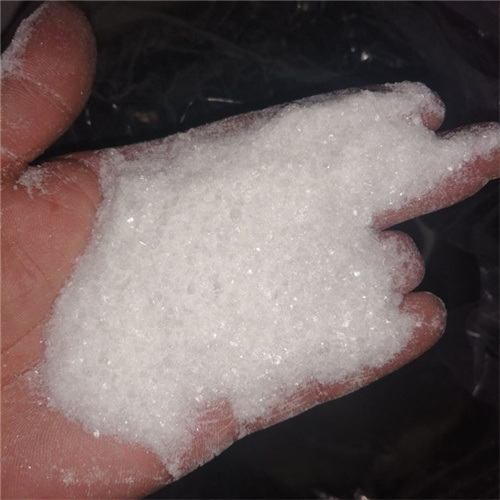
Procaine, often known by its trade name Novocain, is a synthetic local anesthetic developed in 1905 by the German chemist Alfred Einhorn. It belongs to the ester-type local anesthetics group and is commonly used to induce local numbness by blocking nerve signals in a specific area without causing loss of consciousness.
Chemically, it is an ester of para-aminobenzoic acid (PABA), a characteristic that differentiates it from amide-type anesthetics like lidocaine. Procaine's molecular formula is C13H20N2O2, and it acts quickly, making it suitable for short procedures.
Procaine works by blocking the sodium ion channels on the nerve cell membranes. Normally, when a nerve transmits pain signals, sodium ions enter the nerve cell and depolarize the membrane, propagating the signal to the brain. Procaine prevents this influx of sodium ions, effectively blocking the nerve's ability to send pain signals.
- Procaine binds to sodium channels inside nerve cells.
- It prevents the influx of sodium ions, halting depolarization.
- Without depolarization, the nerve cannot transmit signals, including pain.
- The area supplied by the blocked nerves becomes numb and insensitive.
This well-understood mechanism makes procaine a reliable agent for producing localized analgesia without affecting general consciousness or the brain.
Procaine's anesthetic properties make it highly useful in:
- Dental procedures: To numb gums for fillings, extractions, and root canals.
- Minor surgical procedures: Such as biopsies or suturing small wounds.
- Diagnostic procedures: To reduce discomfort during lumbar punctures or joint injections.
- Obstetrics: Though less common now, previously used for epidurals during childbirth.
- Intravenous regional anesthesia (Bier block): Useful in limb surgeries.
Many clinicians prefer procaine for short-duration procedures due to its rapid onset and relatively low toxicity. Beyond its traditional roles, procaine has been important in research to study nerve blockades and local anesthesia effects on nervous system function.
There are several local anesthetics available, including lidocaine, bupivacaine, and mepivacaine. Procaine differs primarily in its chemical structure, metabolism, and duration of action.
- Ester vs Amide: Procaine is an ester anesthetic metabolized quickly by plasma esterases, which decreases the risk of accumulation but increases the potential for allergic reactions. Amide anesthetics like lidocaine have a longer half-life and lower allergy rates.
- Duration: Procaine's duration is notably shorter, usually 15-60 minutes, compared to lidocaine (30-120 minutes) and bupivacaine (2-4 hours).
- Onset: Procaine acts rapidly, similar to lidocaine, making it suitable when quick numbing is required.
- Toxicity Profile: Lower systemic toxicity in low doses but hypersensitivity reactions may be more common compared to amides.
Thus, the choice between procaine and other anesthetics will often depend on the length of the procedure, patient allergy history, and specific therapeutic needs.
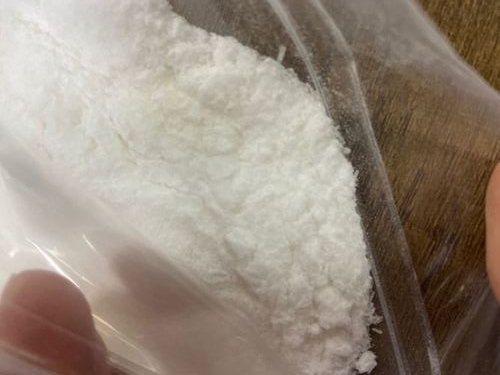
The numbing effect of procaine typically starts within 2-5 minutes after administration and lasts about 15 to 60 minutes, depending on:
- Dose administered: Higher doses generally prolong effect but increase risk of side effects.
- Injection location: Areas with rich blood supply tend to wash out the drug faster.
- Use of vasoconstrictors: Adding epinephrine or other vasoconstrictors slows absorption, extending duration and reducing bleeding.
This relatively short duration is perfect for outpatient and minor procedures but unsuitable for surgeries requiring anesthesia lasting several hours.
While procaine is primarily used in minor anesthesia, it has also been explored in other areas worth mentioning:
The rapid numbing effect makes procaine ideal for managing acute localized pain. Beyond anesthesia, low-dose procaine injections have been reported in some integrative medicine practices as part of "procaine therapy" aimed at improving circulation and reducing chronic pain, though scientific evidence is limited.
Procaine is sometimes used as an adjunct in cosmetic dermatology to numb areas prior to superficial procedures such as laser therapy, microdermabrasion, or minor skin biopsies. Its quick onset and short recovery make it patient-friendly for these non-invasive treatments.
Procaine is also widely used in veterinary settings for local anesthesia in small animals and livestock, reflecting its versatility across different species and clinical applications.
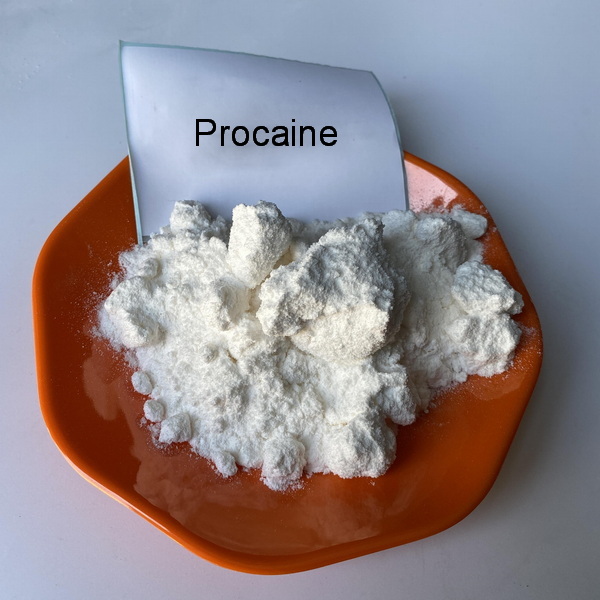
While generally safe when administered by trained professionals, procaine can have side effects, some of which are important to be aware of:
- Local Reactions: Mild pain, redness, or swelling at the injection site are common and usually transient.
- Allergic Reactions: As an ester anesthetic, procaine has a higher potential to cause allergic reactions than amide anesthetics. Symptoms can range from mild itching and rash to severe anaphylaxis, though the latter is rare.
- Systemic Toxicity: If injected intravascularly or given in excessive doses, procaine can cause dizziness, tinnitus, seizures, or cardiovascular effects such as arrhythmias or hypotension.
- Methemoglobinemia: Very rarely, some local anesthetics can induce this condition, but procaine is reported to have a minimal risk.
Proper dosing, patient screening, and clinical monitoring are essential to minimize risks.
Procaine has historically been one of the most common dental anesthetics used worldwide. Dentists favored it for its effectiveness and rapid onset. Typically, procaine injections are administered to numb small areas of the mouth to perform:
- Extra tooth extraction
- Filling cavities
- Root canal treatment
One of the advantages procaine offers is a shorter numbness period post-treatment, helping patients regain normal sensation and speech faster than with longer-lasting agents.
However, in modern dentistry, it has been somewhat replaced by lidocaine due to a better safety profile and lower allergenic potential. Despite this, procaine remains a reliable option, especially in regions where newer agents are less accessible.
Emerging research and clinical practice have identified several innovative uses of procaine beyond conventional anesthesia:
Some experimental studies suggest procaine may have neuroprotective properties or promote nerve regeneration by modulating inflammatory pathways at injury sites. These effects require further clinical trials for validation.
Procaine is occasionally incorporated into cosmetic formulations aimed at skin rejuvenation, purportedly helping to reduce pain during injections or enhancing circulation. Though popular in some alternative medicine circles, substantial scientific evidence is lacking.
In integrative medicine, localized procaine injections have sometimes been used to break pain cycles in conditions like neuralgia or back pain, providing temporary relief or improved mobility when combined with other treatments.
In summary, does procaine numb? Absolutely. Procaine remains a trusted local anesthetic capable of producing fast and effective numbness for a variety of medical, dental, and minor surgical procedures. Its rapid onset, short duration, and well-studied safety profile make it an ideal choice for outpatient and brief interventions. While newer anesthetics with longer duration and fewer allergic reactions have gained popularity, procaine's characteristics ensure it will continue to have a prominent place in clinical anesthesia, veterinary medicine, and emerging therapeutic applications.
For manufacturers, wholesalers, or brands in need of a reliable and customizable OEM supplier of procaine or related anesthetics, partnering with a knowledgeable and compliant producer is essential. Providing high-quality materials with strict quality controls and regulatory adherence can help your products stand out in competitive global markets.
If you want to source pharmaceutical-grade procaine or local anesthetics with the flexibility of OEM manufacturing tailored to your business requirements, please contact us. We offer comprehensive supply chain solutions, from raw material sourcing to finished product formulation, ensuring quality, compliance, and timely delivery. Take the next step to enhance your product portfolio and meet global healthcare demands with our expert support.
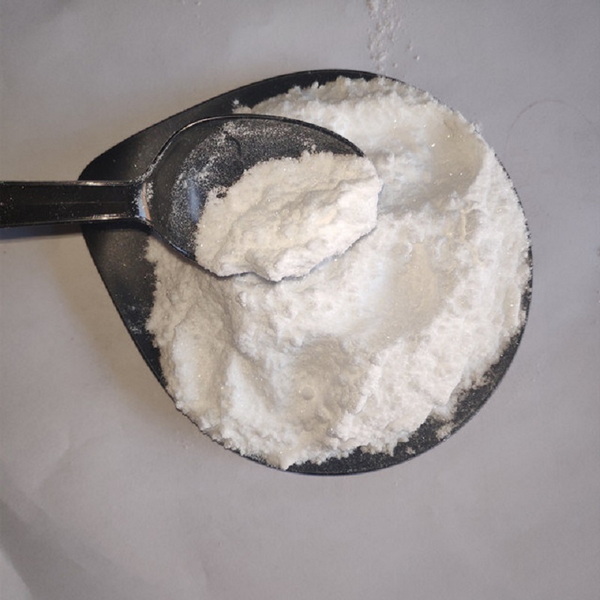
Procaine typically acts within 2 to 5 minutes after injection, delivering prompt local anesthesia suitable for fast procedures.
Yes, procaine is generally safe when dosed appropriately across age groups, but dose adjustments and medical supervision are recommended for vulnerable populations like children and the elderly.
Procaine, as an ester local anesthetic, has an increased risk of allergic reactions compared to amide types. Careful patient history screening is necessary to avoid hypersensitivity.
Procaine is rapidly hydrolyzed by plasma esterases into para-aminobenzoic acid (PABA) and other metabolites, which helps prevent accumulation and systemic toxicity.
Yes, procaine is often combined with vasoconstrictors such as epinephrine to prolong its numbing effect and minimize bleeding. Such combinations must be administered carefully under medical supervision.
Hot tags: Procaine Numbing Effect, Procaine Anesthesia, Procaine Pain Relief, Procaine Local Anesthetic, Procaine Numbness Duration, Procaine Injection Numbness, Procaine Numbing Mechanism, Procaine Pain Management, Procaine Numbing Applications, Procaine Numbing in Dentistry