Content Menu
● Importance of pH Adjustment in Lidocaine HCL
● Understanding the pH Characteristics of Lidocaine HCL Solutions
● Materials and Equipment for pH Adjustment
● Detailed Process for Adjusting the pH of Lidocaine HCL
>> Step 1: Solution Preparation
>> Step 2: pH Meter Calibration
>> Step 3: Initial pH Measurement
>> Step 4: Controlled pH Adjustment
>> Step 5: Verification of pH Stability
>> Step 6: Final Filtration and Packaging
● Additional Considerations in pH Adjustment
>> Effects of Temperature on pH
>> Storage and Shelf Life Impact
● Quality Control and Regulatory Compliance
● Troubleshooting Common Challenges
● FAQ
>> 1. What is the optimal pH range for Lidocaine HCL solutions?
>> 2. Why must the pH be adjusted prior to pharmaceutical use?
>> 3. What substances are typically used to change the pH of Lidocaine HCL solutions?
>> 4. How frequently should pH measurement instruments be calibrated?
>> 5. What factors can cause pH fluctuation in Lidocaine HCL formulations?
Lidocaine Hydrochloride (Lidocaine HCL) is an essential local anesthetic agent widely used in pharmaceutical, medical, and dental applications. Its rapid onset and reliable numbing effect make it invaluable for procedures requiring local anesthesia. However, the effectiveness and safety of Lidocaine HCL solutions are heavily influenced by their pH levels. Improper pH balance can lead to reduced drug stability, decreased efficacy, and increased patient discomfort during administration.
In pharmaceutical manufacturing, including OEM services for international brands and distributors, adjusting and controlling the pH of Lidocaine HCL is a critical step. This article delves into the strategies and techniques for precise pH adjustment of Lidocaine HCL, providing a technical yet practical guide to researchers, formulators, and manufacturers.
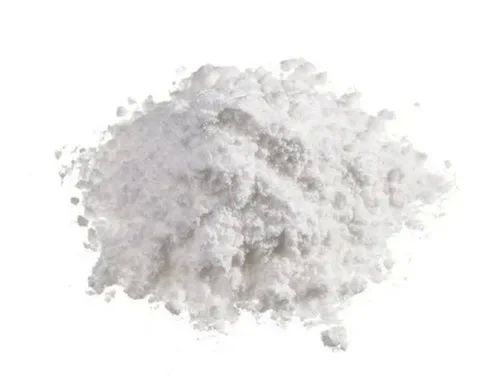
Lidocaine HCL is the hydrochloride salt form of Lidocaine, which is converted into a water-soluble compound suitable for injectable formulations. Its mechanism involves blocking sodium channels in nerve cell membranes, thereby inhibiting nerve signal transmission and providing localized anesthesia.
Pharmaceutical-grade Lidocaine HCL solutions require careful pH control to preserve drug integrity and optimize therapeutic effects. Typically, pH levels between 3.5 and 6.5 are maintained, though formulation requirements may vary depending on intended use or regulatory standards.
pH adjustment plays a pivotal role in both the chemical stability and pharmacological performance of Lidocaine HCL solutions:
- Chemical Stability: Lidocaine is susceptible to hydrolysis and degradation if the pH drifts too far outside the recommended range. Maintaining an appropriate pH reduces the formation of impurities and prolongs shelf life.
- Drug Solubility: The ionization state of Lidocaine depends on the pH of the solution, directly affecting its solubility and bioavailability.
- Patient Comfort: Highly acidic formulations can cause pain and irritation upon injection. Adjusting the pH towards physiological levels (approximately 7.4) minimizes discomfort.
- Efficacy: Optimal pH ensures the drug stays in its active ionized state to effectively block nerve impulses.
Pure Lidocaine HCL solutions naturally exhibit a slightly acidic pH ranging from 4.0 to 6.5 due to the hydrochloride ion. However, during manufacturing or storage, factors like exposure to ambient conditions, impurities, and excipients may cause pH shifts. Hence, manufacturers take great care in consistently monitoring and adjusting pH to meet specific formulation criteria.
The precision required in adjusting pH necessitates the following materials and equipment commonly found in pharmaceutical labs:
- Pharmaceutical-grade Lidocaine HCL (powder or solution)
- Distilled or deionized water for dilution
- pH meter with regular calibration against standard buffer solutions
- pH adjusters: dilute Sodium Hydroxide (NaOH) and Hydrochloric Acid (HCl) solutions
- Magnetic stirrer and stir bars for uniform mixing
- Precision burettes or micropipettes for titrant addition
- Temperature-controlled environment to avoid pH fluctuations due to temperature variations
- Protective equipment such as gloves, goggles, and lab coats
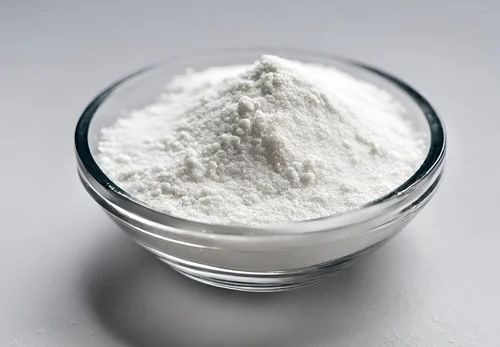
Dissolve the assigned amount of Lidocaine HCL powder in distilled water according to the required concentration. Use a magnetic stirrer to achieve complete dissolution and uniform concentration.
Proper calibration of the pH meter is fundamental. Employ standard buffer solutions at pH 4.0, 7.0, and 10.0 for three-point calibration, ensuring dependable measurement accuracy in the operating pH range.
Record the initial pH of the freshly prepared Lidocaine HCL solution. This step helps determine the degree of adjustment necessary.
- If the initial pH is below the formulation's target, typically 4.5 to 6.5, carefully add dilute sodium hydroxide solution incremental dropwise while stirring continuously.
- Conversely, should the pH exceed the target, introduce dilute hydrochloric acid under the same controlled conditions.
Constant stirring during titration ensures even distribution of the titrant and prevents localized high or low pH zones.
It is critical to add the titrants slowly to avoid overshooting the desired pH, as drastic shifts might destabilize the solution or cause precipitation.
After reaching the target pH, measure multiple times over a short duration to confirm the stability of the pH. Stability indicates that the formulation is balanced and ready for the next steps.
Filter the solution using sterilizing-grade filters to remove any particulates and ensure microbial safety. Proceed to fill into appropriate sterile containers according to GMP guidelines and client specifications.
Temperature affects the dissociation constant $$ K_a $$ of acids and bases; thus, pH readings can vary with temperature changes. It is advisable to perform measurements and adjustments at a controlled temperature, typically around 25°C, and to use a pH meter with automatic temperature compensation.
Additives such as preservatives, stabilizers, or buffering agents may influence the final pH. Manufacturers should consider these when calculating the volume and concentration of titrants required.
Even after careful pH adjustment, Lidocaine HCL solutions may slowly shift pH due to ongoing chemical reactions or atmospheric exposure. Therefore, stability studies and packaging that limits oxygen and moisture exposure are paramount.
In pharmaceutical manufacturing, particularly for injectable products like Lidocaine HCL, adherence to regulatory standards such as those from USP (United States Pharmacopeia), EP (European Pharmacopoeia), and other regional authorities is mandatory.
pH adjustment records must be meticulously documented, including batch-specific data, titrant volumes, calibration records, and environmental conditions. Additionally, routine stability analyses should verify that the adjusted pH remains consistent throughout the product's shelf life.
- Unexpected pH Drift: Review storage conditions and possible contamination. Confirm that titrant concentrations are correct.
- Erratic pH Meter Readings: Ensure meter electrodes are clean and functioning well. Recalibrate frequently and maintain proper electrode storage.
- Precipitation During Adjustment: Overshoot of titrant or high concentrations might cause Lidocaine HCL to precipitate. Adjust titrant addition rates and concentrations accordingly.
In the biotechnology, pharmaceutical, and medical device industries, mastering the technique of pH adjustment for Lidocaine Hydrochloride is vital for producing safe, effective anesthetic formulations. Success depends on precise measurement, controlled titration, thorough documentation, and compliance with industry standards.
Partnering with a reliable OEM manufacturer who has expertise in such nuanced chemical handling ensures high-quality products tailored to the needs of global brands and distributors. If your business is seeking professional support in Lidocaine HCL formulation and pH adjustment services, reach out for a consultation and customized solutions. Contact us to know more!
The commonly recommended pH range is 3.5 to 6.5, balancing stability and patient comfort.
Adjusting pH minimizes injection pain and maintains drug stability and efficacy.
Pharmaceutical-grade dilute sodium hydroxide (NaOH) to increase pH and hydrochloric acid (HCl) to decrease pH are used.
Calibration should be performed before each batch production to ensure accuracy.
Variations in raw material quality, temperature changes, storage conditions, and excipient interactions can lead to pH shifts.
Hot tags: Benzocaine 50 Mesh, Cosmetic Products, Local Anesthetic Benefits, Skin Numbing Agents, Pain Relief in Cosmetics, Benzocaine Uses, Topical Anesthetics, Cosmetic Formulations, Skin Care Ingredients, Benzocaine Safety Profile