Content Menu
● Understanding Penicillin G Procaine
● Treatment Duration and Monitoring
>> Potential Side Effects and Adverse Reactions
>> Precautions and Contraindications
● Why Choose Penicillin G Procaine?
● Frequently Asked Questions (FAQ)
>> 1. How often should Penicillin G Procaine be given to a dog?
>> 2. Can Penicillin G Procaine be given orally?
>> 3. What happens if Penicillin G Procaine is injected intravenously by mistake?
>> 4. What side effects should I watch for after giving Penicillin G Procaine?
>> 5. Is Penicillin G Procaine safe for puppies?
Penicillin G Procaine is a widely used antibiotic in veterinary medicine known for treating various bacterial infections in dogs. With its long-acting properties, this drug provides prolonged antimicrobial effects following intramuscular injection, making it a preferred choice for infections like pneumonia, wound infections, and otitis externa caused by penicillin-sensitive bacteria. Accurate dosing and proper administration are crucial to maximize treatment effectiveness while reducing the risk of side effects. This article offers a detailed, practical guide on dosing Penicillin G Procaine in dogs along with administration tips, safety precautions, potential side effects, and expert recommendations.
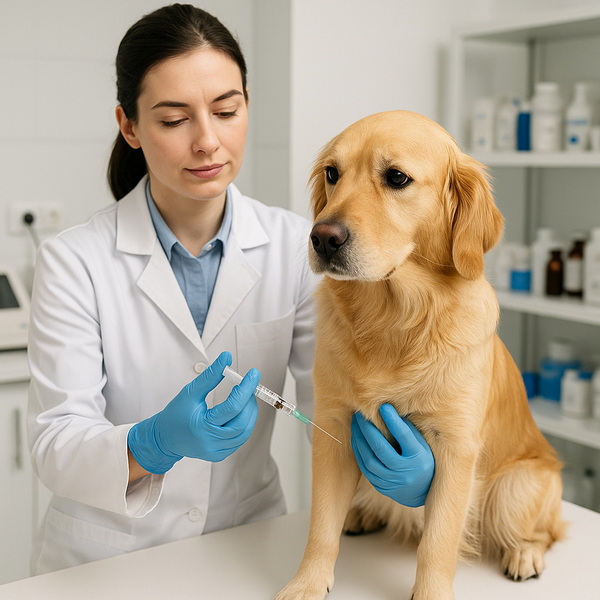
Penicillin G Procaine is a formulation of penicillin combined with procaine to delay absorption and prolong the antibiotic activity. This allows less frequent dosing, providing a consistent therapeutic level for an extended period, which is especially beneficial in cases where frequent dosing is challenging.
This injectable antibiotic targets gram-positive bacterial infections and is effective against organisms causing respiratory infections, skin conditions, ear infections, and other bacterial diseases in veterinary patients.
The dosage of Penicillin G Procaine depends on the dog's weight, infection severity, and specific veterinary recommendations. The general dosing guidance is typically:
- Standard dose: 3,000 units per pound (approximately 6,600 units per kg) of body weight. This dosage is usually administered once daily via intramuscular injection.
- Severe infections: Dosages can be increased to 6,000 to 9,000 units per pound (13,200 to 19,800 units per kg), sometimes given twice daily under close veterinary supervision.
On a volume basis, this corresponds roughly to:
- 1 mL per 100 pounds (45 kg) of body weight, injected intramuscularly once a day.
- Injection site volume should not exceed 10 mL to prevent muscle irritation.
To provide an example:
- A 10-pound (4.5 kg) dog typically receives 30,000 units (about 1 mL).
- A 50-pound (22.7 kg) dog would receive around 150,000 units (approximately 5 mL).
Dosing adjustments must be carefully managed by a veterinarian to ensure optimum treatment and avoid overdose.
Because Penicillin G Procaine must be administered via intramuscular injection, proper technique is essential.
Steps for administration:
1. Calculate the exact dose based on weight and veterinary directions.
2. Withdraw the calculated volume using a sterile syringe and needle.
3. Choose a large muscle group such as the thigh or shoulder for injection.
4. Clean the injection site with an alcohol swab.
5. Insert the needle deeply at a 90-degree angle into the muscle.
6. Inject slowly to minimize discomfort.
7. Dispose of the needle safely.
8. Rotate injection sites for subsequent doses to avoid tissue damage.
It's imperative never to inject Penicillin G Procaine intravenously as this may lead to severe reactions like seizures or cardiac arrest.
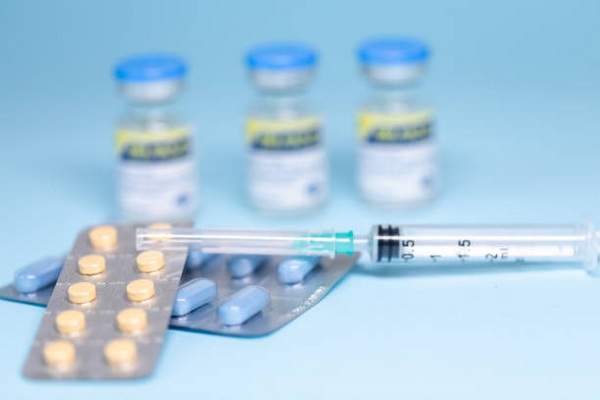
The typical course of Penicillin G Procaine treatment ranges from 7 to 14 days, depending on infection severity and the veterinarian's assessment. Dogs usually show improvement within 24 to 48 hours of starting treatment if the infection is responsive.
Owners should complete the entire prescribed course even if symptoms improve early to avoid relapse or development of antibiotic resistance.
While most dogs tolerate Penicillin G Procaine well, some side effects may occur:
- Localized swelling, pain, or redness at the injection site.
- Mild gastrointestinal issues such as vomiting or diarrhea.
- Allergic reactions including itching, hives, or facial swelling.
- Rare, severe reactions if injected intravenously, leading to neurological symptoms like tremors or seizures.
If any unusual or severe signs develop, immediate veterinary attention is critical.
- Avoid use in dogs with known penicillin allergies or hypersensitivity to antibiotics.
- Inform the veterinarian if the dog is pregnant, nursing, or taking other medications, as interactions may occur.
- Penicillin G Procaine should never be used in combination with sulfonamides due to interference effects.
- It is designed exclusively for intramuscular use and must not be administered otherwise.
- Proper veterinary diagnosis should precede administration to confirm penicillin-susceptible infections.
Penicillin G Procaine offers an effective and inexpensive treatment alternative with the added benefit of long-acting therapy. This reduces the need for multiple daily injections while maintaining steady antibiotic tissue levels, improving compliance especially in larger or uncooperative dogs. The proven efficacy against many bacterial pathogens makes it a first-line choice in veterinary antimicrobial therapy.
Moreover, sourcing Penicillin G Procaine from trusted manufacturers assures vaccine integrity, potency, and compliance with veterinary regulatory standards—crucial for both clinics and distributors looking for reliable OEM partners.
Proper dosing and administration of Penicillin G Procaine in dogs are essential for the successful resolution of bacterial infections. When used responsibly and under veterinary supervision, this long-acting antibiotic offers an efficient and cost-effective solution for managing a broad range of infections in canine patients. As a leading OEM supplier, we are committed to delivering high-quality veterinary medicines, including Penicillin G Procaine, tailored to your specific professional needs. Reach out today and discover how we can support your animal healthcare services with trusted pharmaceutical products and expert service.
For veterinary clinics, animal hospitals, distributors, and pet care providers seeking a dependable OEM supplier of Penicillin G Procaine and other veterinary pharmaceuticals, we offer professional manufacturing services with stringent quality control. Our products align with international standards and cater to diverse animal health needs globally.
Contact us today to receive comprehensive product catalogs, technical support, and competitive pricing tailored to your volume requirements. Partner with us for consistent, high-grade solutions that benefit animal health and business growth.
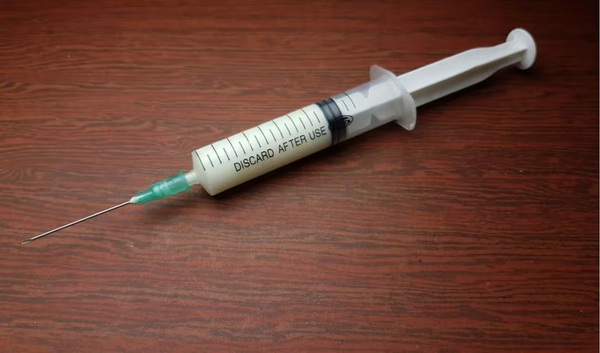
Penicillin G Procaine is generally administered once per day via intramuscular injection. In severe cases, your veterinarian might recommend twice-daily dosing.
No, Penicillin G Procaine is formulated strictly for intramuscular injection. Oral penicillin formulations exist but differ significantly and must only be used under veterinary guidance.
Intravenous injection can cause serious adverse effects such as seizures, muscle tremors, and cardiac complications, requiring immediate emergency veterinary care.
Common side effects include pain or swelling at the injection site and mild digestive upset. Allergic reactions, although less common, require urgent veterinary intervention.
Yes, but doses should be carefully calculated based on weight and age by a veterinarian to ensure safety and effectiveness.
[1](https://www.msdvetmanual.com/multimedia/table/dosages-of-penicillins)
[2](https://www.msd-animal-health.co.nz/products/duplocillin-la/)
[3](https://www.mda.state.mn.us/sites/default/files/inline-files/Injectable-Penicillin-G-Procaine-2.21.pdf)
[4](https://www.drugs.com/vet/procaine-penicillin-g-can.html)
[5](https://dailymed.nlm.nih.gov/dailymed/drugInfo.cfm?setid=4049a09f-422f-4220-99ef-8dd6b846945b)
[6](https://www.norbrook.com/media/k4snuf4j/ultrapen-la-product-insert.pdf)
[7](http://www.farad.org/publications/digests/112006ExtralabelPenicillin.pdf)
[8](https://agriculture.vic.gov.au/__data/assets/pdf_file/0010/577504/AGVIC_AVPG_A5_Flipbook_PRINT_WD.pdf)
[9](https://www.ema.europa.eu/en/documents/referral/procaine-benzylpenicillin-article-82-referral-annexes-i-ii-iii_en.pdf)
Hot tags: Penicillin G Procaine Dosage Dog, Penicillin G Procaine for Dogs, Dog Penicillin G Procaine Dosage, Penicillin G Procaine Injection Dog, Penicillin G Procaine Veterinary Use, Penicillin G Procaine Dog Treatment, Penicillin G Procaine Dosage Guidelines, Penicillin G Procaine for Canines, Penicillin G Procaine Dog Health, Penicillin G Procaine Administration Dog