Content Menu
● Introduction to Benzocaine Powder
● Understanding the Chemistry: Why Solubility Matters
● Step-by-Step Guide: How to Dissolve Benzocaine Powder
>>> Dissolving in Ethanol (Alcohol)
>>> Dissolving in Gels and Creams
● Factors Influencing the Dissolution of Benzocaine
>> Temperature
>> Particle Size of Benzocaine
● Troubleshooting Tips for Dissolving Benzocaine Powder
● Applications of Dissolved Benzocaine
● FAQs
>> 1. What is the best solvent for dissolving benzocaine powder?
>> 2. Can benzocaine powder be dissolved in water?
>> 3. Is heating required to dissolve benzocaine powder?
>> 4. How can I ensure the benzocaine solution is safe for medical use?
>> 5. Do you offer OEM and bulk supply of benzocaine powder and solutions?
Benzocaine is a widely used local anesthetic, valued in pharmaceuticals, medical devices, and personal care products. Whether you are a healthcare professional, a manufacturer, a laboratory technician, or a curious DIY enthusiast, learning how to properly dissolve benzocaine powder is essential for ensuring safety and maximizing effectiveness in various formulations.
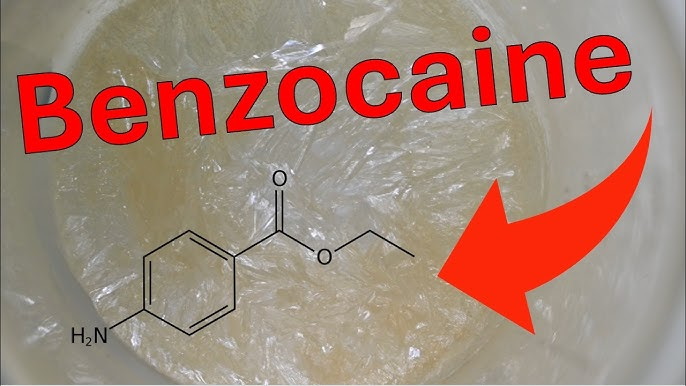
Benzocaine is a white, crystalline, odorless powder used primarily as a local anesthetic. It serves as a key ingredient in topical anesthetic gels, creams, lozenges, ointments, and oral sprays, providing quick numbing action for pain relief in the skin, mouth, and throat. Its popularity stems from its rapid onset of action and minimal systemic absorption, making it an ideal choice for many medical and personal care applications.
One of the main challenges with benzocaine is its solubility profile. Benzocaine is almost insoluble in water but freely soluble in alcohols, oils, and some organic solvents. This characteristic makes it essential for formulators to select the right solvent when dissolving benzocaine to create effective, safe, and stable products. Choosing an improper solvent or method can lead to incomplete dissolution, reduced efficacy, or even unsafe products.
Benzocaine's solubility in different solvents helps determine how quickly and thoroughly it can be delivered in a product. Water does not dissolve benzocaine enough for most effective uses, while solvents like ethanol, oils, or glycols dissolve it readily. Understanding this will guide how to work with the powder properly.
To safely and efficiently dissolve benzocaine powder, gather all necessary materials:
- Pure benzocaine powder (pharmaceutical grade or food grade, depending on use)
- Suitable solvent: ethanol (ethyl alcohol), oils such as castor oil or light mineral oil, or glycol-based solvents
- Glassware: beakers, stirring rods, magnetic stirrer, graduated cylinders
- Heating source such as a water bath or hot plate to gently warm solvents
- Filtration apparatus (filter paper, funnel)
- Personal protective equipment such as gloves, safety goggles, and masks
When handling benzocaine powder and solvents, proper safety measures are crucial. Work in a well-ventilated area or fume hood to avoid inhaling powders or fumes. Wear gloves, goggles, and a face mask to prevent skin contact and respiratory exposure. Avoid open flames if using flammable solvents like ethanol. Follow all regulatory guidelines for chemical handling and storage.
Ethanol is the most common and effective solvent for benzocaine dissolution. It enables the preparation of clear, stable benzocaine solutions suitable for various pharmaceutical, cosmetic, and medical uses.
Steps:
1. Measure the desired amount of benzocaine powder accurately.
2. Pour the appropriate volume of ethanol (preferably food-grade or pharmaceutical ethanol) into a clean beaker.
3. Slowly add benzocaine powder to the ethanol while stirring gently.
4. Use a magnetic stirrer or manual stirring rod to agitate the mixture continuously.
5. Optionally, warm the ethanol to around 40–60°C using a water bath to accelerate dissolution. Avoid open flames or excessive heat as ethanol is flammable.
6. Observe the solution until all benzocaine visibly dissolves, resulting in a clear liquid.
7. Allow the solution to cool to room temperature while stirring.
8. Filter the solution to remove any undissolved particles using fine filter paper.
Ethanol's ability to dissolve benzocaine efficiently makes it ideal for creating sprays, tinctures, and solutions used in topical and oral applications.
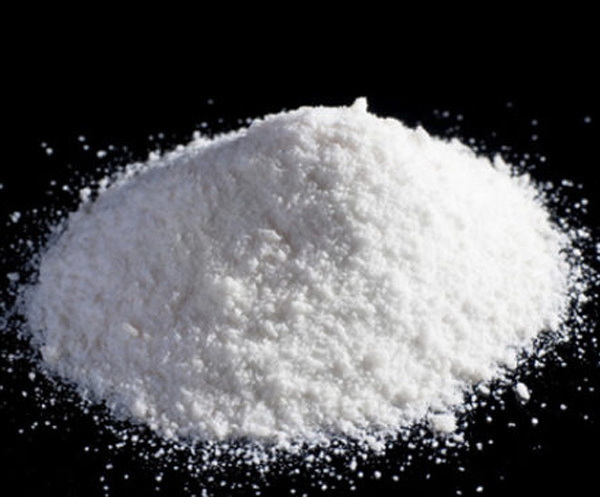
For oil-based benzocaine products such as topical ointments or rubs, dissolving the powder in carrier oils is necessary.
Steps:
1. Weigh the appropriate amount of benzocaine powder.
2. Heat edible or medical-grade oils (like castor oil, sesame oil, or light mineral oil) gently to 40–60°C using a water bath.
3. Gradually add benzocaine powder to the warm oil while stirring continuously.
4. Maintain gentle heating and constant stirring until the powder fully dissolves.
5. Cool the mixture slowly to room temperature, ensuring a clear solution.
Oil-based dissolution allows benzocaine to be incorporated smoothly into creams and ointments, providing effective topical pain relief with moisturizing benefits.
Benzocaine can also be dissolved directly in gel or cream bases, typically by first dissolving it in a compatible solvent such as ethanol or oil.
Steps:
1. Pre-dissolve benzocaine in ethanol or oil as described above.
2. Gradually add the benzocaine solution to the gel or cream base while mixing vigorously.
3. Continue stirring until the benzocaine is evenly and completely distributed.
4. Test the final product for consistency and clarity to confirm proper dissolution.
This method ensures that the active ingredient is uniformly incorporated in semi-solid forms used for topical anesthesia.
Several factors impact how well benzocaine powder dissolves, which formulators and end-users should consider:
Increasing the temperature of the solvent significantly improves the solubility and speed of dissolution. However, temperatures should be kept moderate and controlled (generally below 60°C) because excessive heat may degrade benzocaine or evaporate volatile solvents like ethanol.
Using pure, high-quality solvents ensures maximum benzocaine solubility and prevents contamination. Pharmaceutical-grade solvents are preferred in medical or cosmetic manufacturing.
Constant and thorough stirring or mixing enhances solvent contact with the powder, leading to faster and more complete dissolution. Magnetic stirrers are preferred in laboratories for their efficiency.
Finer benzocaine powder dissolves more readily than larger crystals. Milling or grinding may be employed before dissolution to improve performance.
If encountering difficulties dissolving benzocaine powder, consider these tips:
- Ensure you are using the right solvent (avoid water).
- Increase the temperature gradually but avoid overheating.
- Prolong stirring or use ultrasonic agitators if possible.
- Check for solvent evaporation or contamination.
- Filter the solution to remove undissolved particles.
- Adjust solvent-to-ingredient ratio to increase solubility capacity.
Sometimes a combination of mild heating and vigorous stirring solves most dissolution issues.
Dissolved benzocaine is versatile and widely used in several industries and applications, including:
- Topical Anesthetic Products: Gels, creams, sprays, and ointments for pain relief on skin, minor wounds, burns, insect bites, sunburn, and rashes.
- Oral Care Formulations: Lozenges, sprays, and gels for throat and mouth pain relief.
- Ear Drops: For treatment of ear pain and inflammation.
- Pharmaceutical Manufacturing: As an active ingredient in compounded medications.
- Medical Devices: Coating or embedding in patches, films, or implants for numbing effect.
- OEM Services: Bulk supply and formulation for global pharmaceutical brands and wholesalers.
Dissolving benzocaine powder correctly is fundamental for producing safe, effective formulations in healthcare and personal care products. Understanding the powder's solubility profile and applying the right solvent, temperature, and agitation ensures a clear, homogeneous solution. Ethanol remains the most reliable solvent, while oils and gels offer alternatives for specialized applications.
Our factory specializes in producing high-quality benzocaine powder, providing custom OEM solutions for brand owners, wholesalers, and manufacturers worldwide. We are committed to delivering premium products with consistent purity and compliance. For bulk purchases, tailored formulations, or detailed technical support, we invite you to contact our expert team. Let us help you enhance your product portfolio with trusted benzocaine solutions.
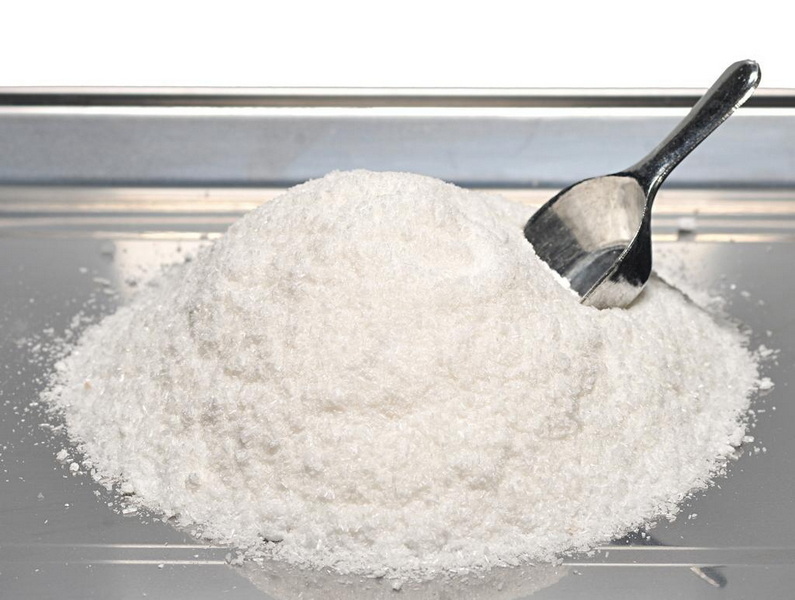
Ethanol is the preferred solvent for dissolving benzocaine powder quickly and completely. For oil-based formulations, medical-grade oils like castor or mineral oil are suitable. Benzocaine is almost insoluble in water, so water should generally be avoided for dissolution.
No, benzocaine is nearly insoluble in water and will not dissolve effectively. Alternative solvents such as ethanol, oils, or glycol-based liquids are needed to achieve dissolution.
Heating the solvent moderately (up to about 60°C) helps dissolve benzocaine more quickly and completely. Avoid overheating or using open flames due to solvent flammability and possible degradation of benzocaine.
Use pharmaceutical-grade benzocaine and solvents, maintain a clean environment, filter the final solution to remove particulates, and follow good manufacturing practices (GMP) to ensure safety and quality.
Yes, our factory provides OEM services, bulk powder, and pre-dissolved benzocaine solutions for international pharmaceutical brands, wholesalers, and manufacturers. Contact us for customized formulations, private labeling, and competitive pricing.