Content Menu
● Introduction to Benzocaine Powder
>> Equipment:
>> Ingredients:
● How to Mix Benzocaine Powder: Step-by-Step Guide
>> Mixing Benzocaine Powder for Topical Gels
>> Preparation of Benzocaine Oral Rinse
>> Custom Blends and Advanced Preparations
● Tips for Successful Benzocaine Mixing
● FAQ
>> 1. How do I ensure benzocaine powder fully dissolves for gels?
>> 2. Can benzocaine be dissolved in water alone?
>> 3. How long can benzocaine gels be stored?
>> 4. How do I mix benzocaine with other anesthetics?
>> 5. What is the correct ratio of benzocaine for oral rinses?
Benzocaine is a widely used local anesthetic, known for its numbing effect on mucosal tissues and skin. It's commonly found in topical gels, ointments, sprays, and oral rinses. For manufacturers, especially those working as OEM partners in the pharmaceutical and medical device sectors, mastering the art of correctly mixing benzocaine powder is essential. Proper preparation ensures product consistency, efficacy, and safety for end-users.
This article will guide you through the detailed process of mixing benzocaine powder into different formulations, highlight safety precautions, provide tips for various applications, and explain quality control and storage considerations.
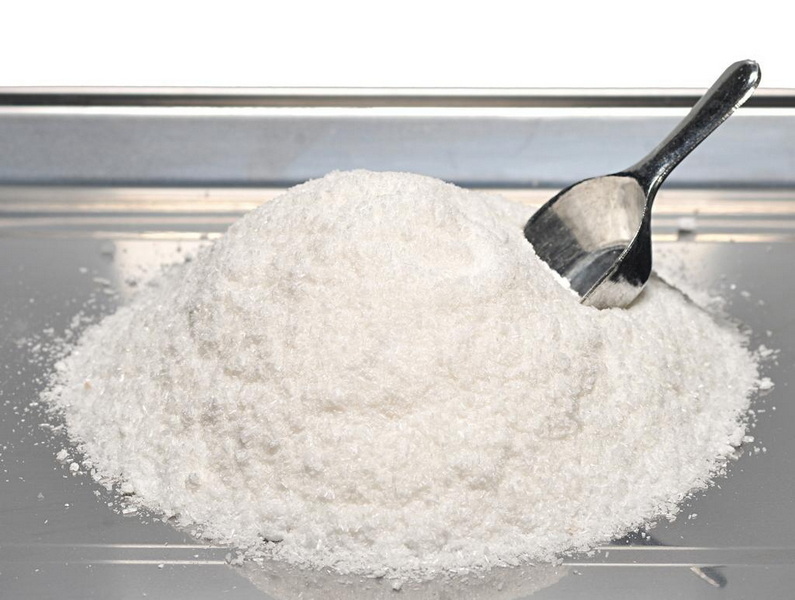
Benzocaine is a white crystalline powder and belongs to the ester class of local anesthetics. Its primary function is to temporarily numb certain areas to reduce pain or discomfort, especially in dental procedures, minor skin irritations, and throat irritations. Because benzocaine has limited solubility in water but dissolves well in alcohol, its preparation requires careful formulation strategies to ensure uniform mixtures.
Due to its widespread use in topical and oromucosal products, such as gels and rinses, benzocaine powder's solubility profile and stability must be well understood to produce effective, safe, and high-quality formulations.
Mixing benzocaine powder requires strict safety measures. Always ensure you:
- Work in a clean, ventilated laboratory environment to prevent contamination and inhalation risks.
- Wear appropriate safety gear, including gloves, lab coats, and safety goggles.
- Handle benzocaine powder carefully to avoid direct skin contact and inhaling the fine particles.
- Use only pharmaceutical-grade ingredients verified by quality control.
- Follow standard operating procedures for chemical handling and waste disposal to prevent environmental hazards.
To effectively mix benzocaine powder, you need precise equipment and high-quality ingredients.
- Precision balance scales for accurate weighing.
- Clean beakers, graduated cylinders, and stirring rods (preferably glass or stainless steel).
- Mortar and pestle for blending powders.
- Containers for mixing and storage.
- Packaging materials (ointment tubes, bottles).
- Sealing equipment for packaging.
- Benzocaine USP (pharmaceutical grade powder).
- Alcohol USP (often 90% ethanol) for dissolving benzocaine.
- Distilled water for hydration and dilution.
- Carbopol 940 (a polymer often used as a gelling agent).
- Optional excipients such as glycerin, propylene glycol, preservatives, flavoring agents, or other local anesthetics like lidocaine or tetracaine, depending on the intended product type.
The standard gel usually contains about 2% benzocaine, but this can vary based on customer requirements and regulations.
1. Weighing: Accurately weigh benzocaine and carbopol powder according to your batch size. For example, for 240g of gel, weigh 4.8g of benzocaine and 4.8g of carbopol.
2. Dissolving Benzocaine: Pour the 90% ethanol into a clean beaker. Slowly add the benzocaine powder to the alcohol while stirring consistently until the powder fully dissolves. This step is crucial because benzocaine is poorly soluble in water but dissolves readily in alcohol.
3. Adding Carbopol: Gradually add carbopol 940 to the alcohol-benzocaine solution while stirring continuously. Carbopol will thicken the mixture, converting it into a gel. Mix slowly to prevent the formation of lumps.
4. Hydrating the Gel: Slowly add distilled water to the mixture to hydrate the carbopol. Proper hydration results in a clear, smooth gel with the desired consistency. This hydration process may take several hours or sometimes up to 24 hours, depending on ambient conditions.
5. Packaging: Once the gel has reached the right viscosity and looks homogenous, dispense it into ointment tubes or containers. Seal the packaging securely to maintain product integrity.
Benzocaine oral rinses typically use a 5% concentration solution.
1. Measure 30ml of distilled or purified water into a clean glass container.
2. Add the weighed benzocaine powder according to the concentration requirements.
3. Stir thoroughly until the powder is completely dissolved; this normally takes from 15 to 30 seconds.
4. The product should be used immediately after preparation to maintain effectiveness. The rinse is typically applied, swished inside the mouth, and spat out.
For users requiring mixtures such as creams, ointments, or film-forming gels, the process can be customized:
- Blend benzocaine powder with other anesthetics or vitamins using a mortar and pestle for uniform particle size.
- Levigate the powders with suitable solvents or vehicles like polysorbate 80 or ethoxy diglycol to improve dispersion before incorporation.
- Employ hydroxyalkyl cellulose or other film formers to create protective drug delivery films.
- Adjust concentrations based on intended use—benzocaine concentration can range from 1% up to 20% or more depending on formulation and regulations.
- Always dissolve benzocaine first in alcohol to ensure maximum solubility before adding water or other ingredients.
- Add thickening agents like carbopol slowly to prevent clumps.
- Use high-purity distilled water to avoid contamination.
- Ensure powders are finely ground for even distribution in creams or ointments.
- Allow gels to rest after mixing for full hydration and maximum stability.
- Customize flavor or scent carefully for oral preparations to improve user experience.
- Document each batch meticulously for quality control and compliance.
Effective quality control ensures the final product is safe, efficacious, and stable.
- Check that the gel or cream is free from unmixed powder particles and has a uniform texture.
- Observe the pH and viscosity appropriate for the specific benzocaine product.
- Label products with concentration, batch number, and expiration date.
- Store benzocaine products at room temperature away from direct sunlight.
- Alcohol-containing gels generally have a longer shelf-life (up to one year) compared to water-based gels, which should be used within two weeks if unopened and refrigerated.
Mixing benzocaine powder into topical gels, oral rinses, or customized blends requires precise procedures, careful handling, and high-quality materials to ensure safety and performance. By following established guidelines—dissolving benzocaine in alcohol first, using appropriate gelling agents, and adhering to strict quality controls—you can consistently produce effective and safe benzocaine formulations.
For companies seeking reliable OEM partnerships, efficient supply chain management, and expert formulation support in the pharmaceutical and medical sectors, we offer tailored benzocaine product solutions with both small and large batch production capabilities. Contact us anytime for your benzocaine OEM needs and experience streamlined, professional service.
Always dissolve benzocaine in 90% ethanol first, stirring continuously until it fully dissolves, before combining with water or gelling agents. This prevents precipitation and ensures uniformity.
No, benzocaine has poor water solubility. Using alcohol or an alcohol-water mixture is necessary for effective dissolution.
If the gel contains at least 18% alcohol, it can be stored for up to a year at room temperature. Water-based gels without sufficient preservatives should be used within 14 days and refrigerated.
Use a mortar and pestle to thoroughly blend powders before levigating in the appropriate solvent or base. This ensures even distribution of all active ingredients in the final product.
Typically, 5% benzocaine solutions are prepared by dissolving the prescribed amount of powder in 30ml of purified water. The solution should be used immediately after preparation.