Content Menu
● Introduction to Phenacetin Powder
● Laboratory Applications of Phenacetin Powder
>> Crystallization and Melting Point Determination
>> Analytical Chemistry and Spectroscopic Research
>> Pharmaceutical Research and Chemical Synthesis
● Safe Handling and Storage Practices
● Best Laboratory Practices for Using Phenacetin
>> Recrystallization Procedure
>> Spectroscopic and Chromatographic Analysis
● Regulatory and Toxicological Considerations
● Advantages of Sourcing OEM Phenacetin Powder from Trusted Manufacturers
● Frequently Asked Questions (FAQs)
>> 1. What are the primary uses of phenacetin powder in laboratory research?
>> 2. How should phenacetin powder be properly stored and handled?
>> 3. What safety risks are associated with phenacetin powder?
>> 4. Can phenacetin powder be used in pharmaceutical manufacturing?
>> 5. Where can I find high-quality OEM phenacetin powder?
Phenacetin powder is a crystalline organic compound widely recognized for its historical medical use as an analgesic and antipyretic, but today it primarily serves important roles in laboratory research. Its distinctive physical and chemical properties make phenacetin an ideal reagent for crystallization studies, melting point determination, and analytical chemistry applications. Despite its discontinued use in medicines due to safety concerns, phenacetin remains valuable in laboratory environments where controlled use and strict safety protocols are maintained. This article provides a comprehensive guide on effectively using phenacetin powder in laboratory research, including its applications, proper handling, safety precautions, and how to source quality OEM phenacetin powder for scientific use.
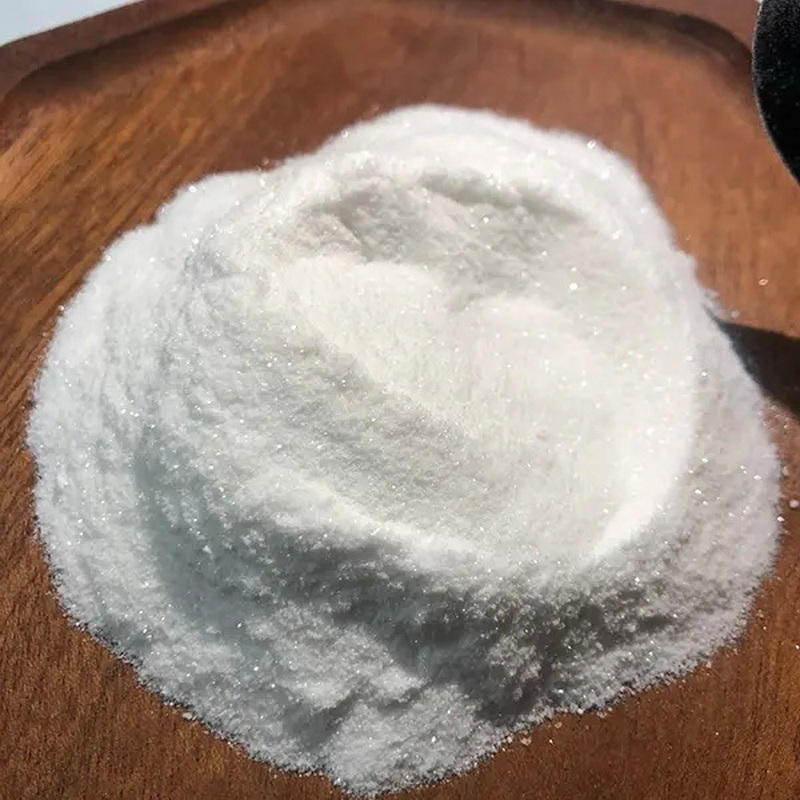
Phenacetin, with chemical formula C10H13NO2 and CAS number 62-44-2, is an odorless, fine white crystalline powder. It possesses a faintly bitter taste and melts at approximately 134 to 135°C. Phenacetin is moderately soluble in water and dissolves more readily in organic solvents such as ethanol, methanol, ether, and chloroform. Its molecular weight is around 179.2 g/mol, and it exhibits low vapor pressure, which helps limit inhalation exposure in laboratory settings.
Phenacetin's well-characterized chemical structure and thermal properties make it a popular compound used for educational demonstrations as well as in research applications focused on crystallization, melting point determination, and pharmaceutical intermediate studies.
Due to its crystalline nature and well-defined melting point, phenacetin powder is widely employed in teaching recrystallization techniques and melting point analysis. Researchers use phenacetin to demonstrate purification methods by recrystallizing impure samples, allowing them to appreciate how solvents dissolve solutes and how crystals form as solutions cool. Its distinct melting point also serves as a benchmark for assessing sample purity and thermal behavior.
The typical recrystallization process involves dissolving phenacetin in a hot solvent like ethanol, filtering out insoluble impurities while the solution is still hot, then slowly cooling the solution to allow clean crystals to form. These crystals are collected by vacuum filtration and dried under controlled conditions for use in further analyses or demonstrations.
Phenacetin is commonly used as a reference compound in analytical methods such as high-performance liquid chromatography (HPLC), nuclear magnetic resonance (NMR) spectroscopy, and ultraviolet-visible (UV-Vis) spectroscopy. Its well-known spectral signatures enable researchers to calibrate instruments or develop analytical protocols. NMR spectra of phenacetin show characteristic signals from aromatic protons and ethoxy groups that provide diagnostic information about its chemical environment.
In addition, phenacetin acts as a model molecule for studying charge-transfer complexes, reaction kinetics, and molecular dynamics through techniques like inelastic neutron scattering, further illustrating its value in advanced pharmaceutical and chemical research.
Although phenacetin is no longer marketed as a drug due to its carcinogenic concerns, it remains important as an intermediate in pharmaceutical research. Phenacetin and its analogs are studied to understand metabolic pathways, enzymatic mechanisms (notably cytochrome P450 interactions), and toxicity profiles. It also finds use in the synthesis of related compounds during drug development research.
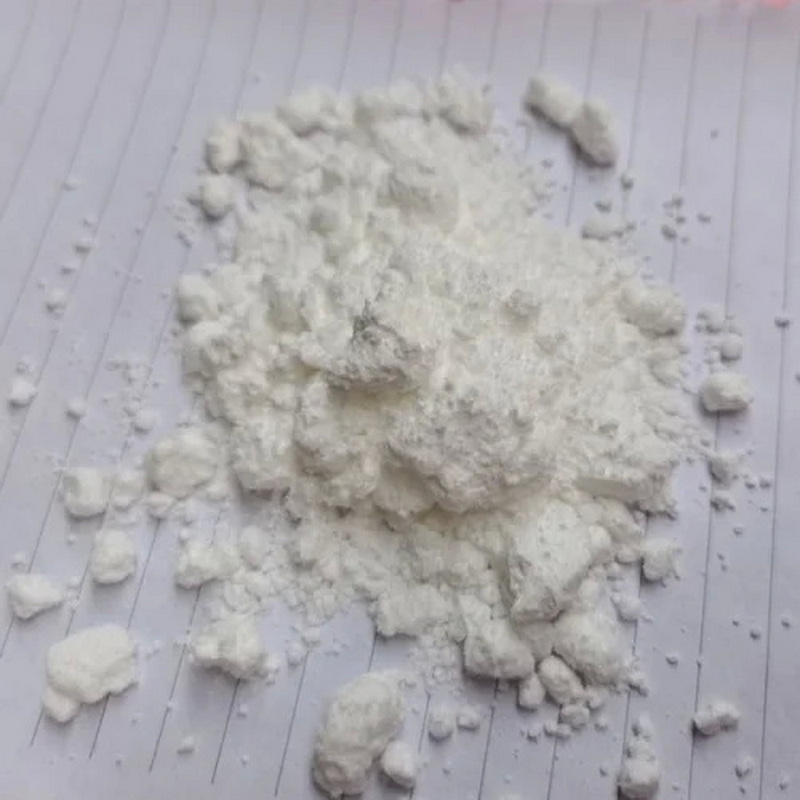
Phenacetin carries safety risks, including potential carcinogenicity and nephrotoxicity, especially with prolonged or high-dose exposure. Laboratories must observe rigorous safety protocols to protect personnel and maintain compliance.
- Always handle phenacetin powder within a properly functioning fume hood or well-ventilated area to avoid dust inhalation.
- Personal protective equipment (PPE) is essential: nitrile gloves, lab coats, safety goggles, and dust masks or respirators.
- Avoid skin contact and accidental ingestion.
- Store phenacetin in tightly sealed containers, ideally amber glass or chemically resistant plastic, to protect it from moisture and contamination.
- Maintain storage in a cool, dry environment away from heat sources and direct sunlight.
- Label containers clearly with hazard warnings.
Disposal of phenacetin and contaminated materials must follow institutional and governmental hazardous waste protocols to prevent environmental contamination.
1. Weigh an appropriate amount of phenacetin powder and transfer it to a clean container.
2. Add minimal hot solvent such as ethanol or methanol to dissolve the powder completely.
3. Filter the hot solution to remove particulate and insoluble impurities using preheated equipment to prevent premature crystallization.
4. Allow the filtrate to cool slowly to room temperature, then further cool in an ice bath to maximize crystal formation.
5. Collect crystals by vacuum filtration on a Buchner funnel.
6. Dry crystals under mild heat or in a desiccator before use.
Using highly pure phenacetin powder ensures accurate analytical results. Prepare calibration standards by accurately weighing and diluting phenacetin to desired concentrations. Spectroscopic analysis should confirm purity and structure prior to experimental use. Monitor reaction conditions carefully, as phenacetin metabolites and derivatives may exhibit different chemical and safety profiles.
Phenacetin is classified by health authorities such as the International Agency for Research on Cancer (IARC) as a Group 1 carcinogen. Its long-term exposure can lead to nephropathy, urothelial cancers, and hematotoxic effects. In vivo and in vitro studies have documented genotoxicity and mutagenic potential at high doses.
Metabolism of phenacetin primarily involves cytochrome P450 enzymes in the liver, notably CYP1A2, converting it into acetaminophen and other metabolites. Genetic variability in metabolic enzymes can influence toxicity and efficacy.
Regulated laboratories must conduct thorough risk assessments, implement exposure controls, and provide worker training. Safety Data Sheets (SDS) should always be accessible and regularly updated.
Choosing an experienced OEM supplier offers numerous benefits for research labs:
- Guaranteed high purity and batch-to-batch consistency adhering to GMP and ISO standards.
- Comprehensive documentation including Certificates of Analysis (CoA) and SDS.
- Flexible packaging options catering to laboratory scale or industrial volume needs.
- Reliable supply chain and prompt delivery schedules.
- Technical and customer support tailored for scientific users.
Our Chinese factory specializes in biotechnology and pharmaceutical ingredient manufacturing, delivering premium quality phenacetin with strict quality assurance to global customers. We offer customizable OEM solutions to meet diverse research requirements, ensuring safe and efficient laboratory operations.
Phenacetin powder continues to hold a pivotal role in laboratory research despite its discontinued medical use. Mastery of its chemical properties, safe handling, precise experimental techniques, and regulatory compliance are essential for maximizing its research potential while protecting personnel health. Reliable sourcing of high-quality OEM phenacetin powder further supports laboratory success by guaranteeing purity and consistent performance. To enhance laboratory research outcomes with trustworthy phenacetin supply, contact our factory today for tailored OEM services and expert support.
Phenacetin is mainly used for crystallization studies, melting point determination, and as a reference standard in analytical chemistry.
Store in tightly sealed containers in a cool, dry, ventilated area, away from heat and sunlight. Handle with full PPE in fume hoods to avoid inhalation and skin contact.
Phenacetin is carcinogenic and nephrotoxic with chronic exposure. Proper protective measures and exposure control are mandatory to prevent health hazards.
Phenacetin itself is no longer used therapeutically but serves as an important intermediate and research chemical in pharmaceutical and biochemical studies.
Our specialized Chinese factory offers GMP-grade phenacetin powder with full certification and customizable OEM packaging, supporting research labs worldwide.
[1](https://www.sciencedirect.com/science/article/abs/pii/S0032591004000634)
[2](https://www.canada.ca/en/environment-climate-change/services/evaluating-existing-substances/draft-screening-assessment-acetamide-n-4-ethoxyphenyl-phenacetin.html)
[3](https://www.cristalchem.com/2025/09/25/phenacetin-laboratory-applications/)
[4](https://www.sigmaaldrich.com/HK/en/product/aldrich/77440)
[5](https://pubchem.ncbi.nlm.nih.gov/compound/Phenacetin)
[6](https://www.cristalchem.com/tag/phenacetin-applications/)
Hot tags: Phenacetin Powder, Laboratory Research, Effective Use of Phenacetin, Phenacetin Applications, Safety in Laboratory, Phenacetin Handling Guidelines, Phenacetin Chemical Properties, Research Chemicals, Phenacetin Storage Conditions, Phenacetin Usage in Experiments