Content Menu
● Understanding Phenacetin and Its Applications
● Research Regulatory Compliance and Import Licensing
● Identify and Verify Reliable Suppliers in China
● Negotiate Terms and Place an Order
● Quality Control and Inspection
● Customs Clearance and Import Duties
● Delivery and Post-Import Compliance
● FAQ (Frequently Asked Questions)
>> 1. What certifications should I look for in a phenacetin supplier?
>> 2. Is phenacetin regulated internationally?
>> 3. How long does the phenacetin import process usually take?
>> 4. Can phenacetin be imported for personal use?
>> 5. What are the main risks in importing phenacetin from China?
Phenacetin, once widely used as an analgesic and antipyretic, is a pharmaceutical ingredient that remains in demand for various industrial and research applications. Importing phenacetin from China, a global leader in pharmaceutical manufacturing, offers competitive advantages including OEM services, quality assurance, and cost efficiency. However, the import process requires careful attention to regulatory compliance, supplier verification, quality control, and logistics.
This guide provides an expanded step-by-step process for sourcing phenacetin from China, covering essential details to ensure a smooth and legal import experience. This article will help foreign brands, wholesalers, and manufacturers navigate the complexities involved, from legal licensing to customs clearance.
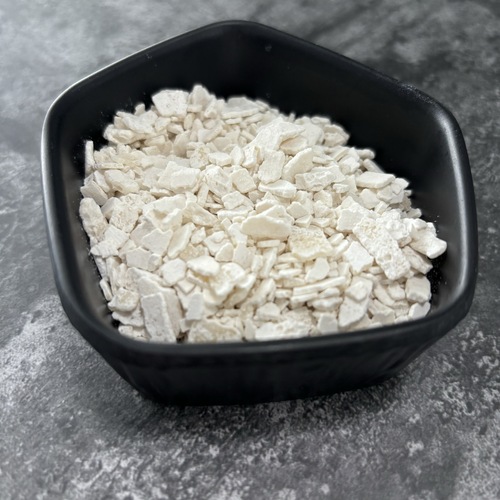
Phenacetin is a synthetic compound with the chemical formula C_10H_13NO_2. It was historically used in pain relief and fever reduction but is now regulated or banned in many countries due to health concerns. Despite this, phenacetin still has uses in pharmaceutical production, chemical synthesis, and research, driving continued international demand.
When considering import, it is critical to understand the specifications and purity standards required. Suppliers in China typically produce phenacetin that meets USP (United States Pharmacopeia) or EP (European Pharmacopoeia) standards, with GMP and ISO certifications to ensure quality.
The first and most crucial step is to research and understand the regulatory environment for phenacetin imports in your country. Many jurisdictions classify phenacetin under controlled pharmaceutical or chemical substances due to its health considerations.
- Contact national health authorities or drug regulatory agencies to confirm import eligibility.
- Determine whether an import license or permit is required for phenacetin.
- Check for any restricted quantities or special handling protocols.
- Some countries may require product registration or certification of compliance with local pharmacopoeias.
Failure to comply with regulatory requirements can lead to shipment seizures or legal issues. For example, China controls precursor chemicals and pharmaceutical substances under strict licensing frameworks, requiring detailed declarations and permits for export.
Finding a trustworthy supplier is vital to ensuring the phenacetin you receive meets specifications and quality standards.
- Use reputable platforms such as Alibaba, Made-in-China, or pharma-specific directories.
- Verify supplier credentials—look for GMP, ISO certifications, and FDA approvals if available.
- Request and review factory audit reports, including Good Manufacturing Practice (GMP) inspection results.
- Order samples and conduct independent third-party testing for purity, impurities, and compliance with pharmacopoeial standards.
- Confirm the supplier's ability to provide consistent quality, stable production capacity, and OEM services tailored to your packaging, labeling, or formulation needs.
It's advisable to establish direct communication channels for effective negotiation and problem-solving.
Once a suitable supplier is identified, negotiate the commercial terms, including:
- Pricing and payment terms (such as letter of credit, T/T, or escrow).
- Minimum order quantity (MOQ) and packaging specifications.
- Lead time for production and delivery schedules.
- Quality control processes and certification requirements.
- Terms for after-sales service, such as support for shipping damage or product recalls.
Obtain a formal proforma invoice detailing all order terms. Ensure clarity on product specification, batch certification (CoA), and any customization.
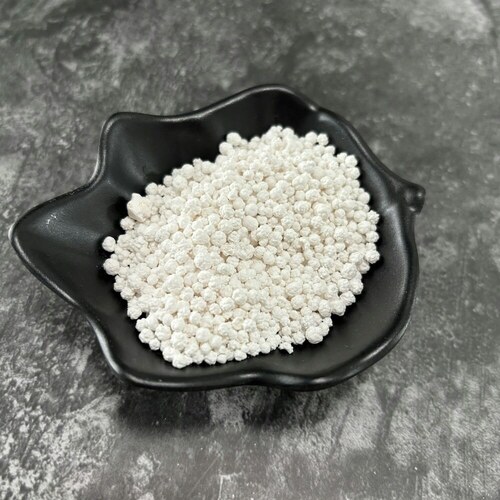
Pharmaceutical products must meet stringent quality requirements. Quality control should involve:
- Laboratory testing of samples prior to shipment using reputable third-party labs.
- Review of Certificates of Analysis (CoA) and Material Safety Data Sheets (MSDS).
- Random batch testing upon arrival.
- Inspection of packaging to verify tamper resistance, proper labeling, and storage conditions during transport.
Some importers arrange for quality control inspections at the supplier's site before shipment to minimize risks. Consider using professional inspection services for detailed factory and shipment checks.
Select an appropriate shipping method based on your urgency, volume, and budget:
- Sea freight is cost-effective for large quantities but slower.
- Air freight offers fast delivery but at a higher cost.
- Courier or express services can be used for small samples or urgent shipments.
Ensure:
- Proper classification of phenacetin under the correct Harmonized System (HS) code for customs.
- Accurate and complete documentation including commercial invoice, packing list, bill of lading or air waybill, certificates (such as CoA), and import licenses.
- Compliance with labeling and packaging regulations in your destination country.
- Coordination with freight forwarders experienced in handling pharmaceutical imports.
Customs clearance is a critical phase requiring precise documentation and adherence to import regulations.
- Submit all import permits, licenses, and product registration certificates.
- Ensure commercial invoices and packing lists match shipment details exactly.
- Work with customs brokers specialized in pharmaceuticals to expedite clearance.
- Pay applicable import duties, value-added taxes (VAT), and customs fees as required.
- Be prepared for potential inspections or sample testing by customs authorities or health departments.
Delays in customs can be costly, so proactive preparation and compliance are essential.
After customs clearance, coordinate delivery to your warehouse or manufacturing facility under controlled conditions suitable for pharmaceutical ingredients.
- Maintain proper storage per phenacetin's handling requirements.
- Keep detailed batch records for traceability and quality assurance.
- Monitor regulatory changes that may affect ongoing import or local use.
- Ensure compliance with any local reporting or safety standards.
Long-term relationships with suppliers and logistics partners improve supply chain reliability.
Importing phenacetin from China is a complex but manageable process requiring due diligence at every stage—from regulatory compliance, supplier verification, and quality control to logistics and customs clearance. Success depends on understanding the legal framework, vetting suppliers rigorously, securing proper documentation, and working closely with experienced partners.
For foreign brands and manufacturers seeking high-quality phenacetin with OEM capabilities, sourcing from China presents significant advantages when approached professionally. Contact us now to discuss your specific phenacetin sourcing needs. Our expert team offers reliable OEM services, competitive pricing, and end-to-end support to ensure your import process is seamless and compliant.
Look for GMP (Good Manufacturing Practice), ISO certifications, and FDA compliance where applicable. Require Certificates of Analysis (CoA) and Material Safety Data Sheets (MSDS) that guarantee product purity and safety.
Yes. Many countries regulate or ban phenacetin due to its safety profile. Importers must check national regulations and obtain appropriate licenses or permits to avoid legal issues.
The timeline varies widely, generally from several weeks to a few months, depending on regulatory approvals, shipping mode, and customs efficiency.
Typically, phenacetin import is limited to industrial or pharmaceutical use. Personal import is usually restricted or prohibited under narcotic or pharmaceutical regulations.
The main risks are regulatory non-compliance, receiving substandard quality products, shipment delays, and customs clearance problems. Meticulous supplier verification and adherence to legal requirements mitigate these risks.
[1](https://www.cirs-group.com/en/chemicals/regulation-on-the-administration-of-precursor-chemicals)
[2](https://www.kwm.com/cn/en/insights/latest-thinking/compliance-issues-on-unapproved-drugs-that-registered-overseas-legal-path-of-import.html)
[3](https://www.chinapvhub.com/dmf-guide-excipient/)
[4](https://cisema.com/en/drug-registration-in-china-transferring-overseas-production-to-china-made-easier/)
[5](https://valveandcontrol.com/ultimate-guide-to-import-chemical-and-pharmaceutical-process-equipment-from-china/)
[6](https://research.hktdc.com/en/article/MTc2ODc0ODY1NA)
[7](https://www.freyrsolutions.com/blog/10-step-guide-to-regulatory-approval-market-entry-in-china)
[8](https://www.ccfdie.org/news/download/2011pharm-5.pdf)
[9](https://english.nmpa.gov.cn)
Hot tags: Import Phenacetin, Buy Phenacetin from China, Phenacetin Suppliers, Phenacetin Import Process, China Phenacetin Market, Phenacetin Quality Standards, Import Regulations for Phenacetin, Phenacetin Shipping from China, Phenacetin Wholesale Prices, Phenacetin CAS Number 62-44-2