Content Menu
● Introduction to Lidocaine HCl
● Step-by-Step Manufacturing Process
>> 1. Preparation of the Intermediate (Chloroacetyl-2,6-dimethylaniline)
>> 2. Conversion into Lidocaine Base
>> 3. Formation of Lidocaine Hydrochloride Salt
● Packaging and OEM Customization
● Conclusion and Call to Action
● FAQ
>> 1. What is Lidocaine HCl primarily used for?
>> 2. How pure is the Lidocaine HCl powder produced?
>> 3. Can you provide OEM packaging services?
>> 4. What safety measures should be taken during production?
>> 5. How long does the production process typically take?
Lidocaine hydrochloride (Lidocaine HCl) is a widely used local anesthetic and antiarrhythmic drug. It plays a critical role in various medical fields such as dentistry, surgery, and emergency medicine by numbing targeted areas and controlling pain. For companies in biotechnology, pharmaceutical, and medical device industries, understanding the production process of Lidocaine HCl powder is essential, particularly when offering OEM services to international brands, wholesalers, and producers.
This comprehensive guide provides a detailed overview of how to make pharmaceutical-grade Lidocaine HCl powder, including the chemical synthesis, production techniques, quality control protocols, safety measures, and packaging options. The article is tailored for manufacturers and stakeholders interested in high-quality OEM production of this valuable pharmaceutical ingredient.
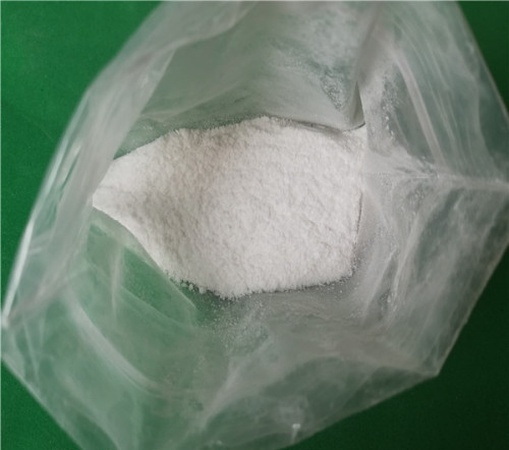
Lidocaine hydrochloride is the hydrochloride salt form of lidocaine, which enhances its water solubility—a crucial property for its use in medical formulations such as injectables, creams, ointments, and patches. Chemically, lidocaine HCl is known as 2-(diethylamino)-N-(2,6-dimethylphenyl)acetamide hydrochloride. The hydrochloride salt is favored in pharmaceuticals because it dissolves more readily in bodily fluids, allowing for faster onset of action.
The powder form of Lidocaine HCl is an essential intermediate, utilized in compounding various dosage forms. By mastering the synthesis process, manufacturers gain control over product quality and can fulfill diverse client needs through OEM customization.
Producing Lidocaine HCl powder demands high-purity raw materials and reagents. The primary substances include:
- 2,6-Dimethylaniline (6-xylidine): The aromatic amine starting material providing the 2,6-dimethylphenyl moiety.
- Chloroacetyl chloride: A reactive acid chloride essential for acylation.
- Diethylamine: Introduces the diethylamino group.
- Potassium carbonate: Used as a base for pH control and neutralization.
- Hydrochloric acid: For formation of the hydrochloride salt.
- Solvents: Acetone or toluene serve as reaction media due to their solvent properties.
- Activated carbon: Used during purification to remove colored impurities.
- Purified water: Critical for washing, recrystallization, and other auxiliary processes.
High-quality raw materials ensure the final Lidocaine HCl powder meets pharmaceutical-grade specifications and safety standards.
The synthesis of Lidocaine HCl powder involves a multi-step chemical process, typically divided into intermediate preparation, base formation, and salt generation.
The process begins by introducing the chloroacetyl group to the aromatic amine:
- Dissolve 2,6-dimethylaniline in acetone within a stainless steel reactor.
- Add potassium carbonate gradually to maintain basic conditions, facilitating the reaction with chloroacetyl chloride.
- Slowly add chloroacetyl chloride dropwise while carefully controlling the temperature around 20°C to avoid side reactions.
- Maintain stirring for approximately three hours to ensure full conversion.
- The reaction mixture is then filtered to isolate the intermediate product as a solid.
- This solid is washed multiple times with water and dried under vacuum at around 100°C to yield a pure white powder.
This intermediate serves as the key precursor for further synthesis.
Next, the intermediate undergoes reaction with diethylamine to form the lidocaine base:
- Dissolve the intermediate in acetone to ensure a homogeneous solution.
- Add diethylamine promptly, then heat the mixture to reflux at about 60°C.
- Maintain reflux and stirring for around eight hours to drive the reaction to completion.
- After cooling, filter the reaction mixture to remove any insoluble impurities.
- Remove the solvent under reduced pressure at 40°C to avoid thermal decomposition.
- Recrystallize the obtained residue using sherwood oil or petroleum ether to enhance purity.
- Filter and vacuum dry the solid to acquire lidocaine base powder, typically off-white to white.
This step requires careful temperature and time management to ensure high yield and purity.
The last stage converts the lidocaine base into its hydrochloride salt form:
- Dissolve the lidocaine base in acetone for better mixing.
- Slowly add concentrated hydrochloric acid while monitoring the pH until it drops below 4, favoring salt formation.
- Concentrate the mixture using reduced pressure evaporation to remove excess acetone and water.
- Redissolve the residue in acetone again and treat it with activated carbon to decolorize the solution, removing impurities and coloration.
- Filter out the activated carbon; then cool the filtrate to induce crystallization of white Lidocaine HCl crystals.
- Filter, wash with cold acetone or petroleum ether, and dry under vacuum.
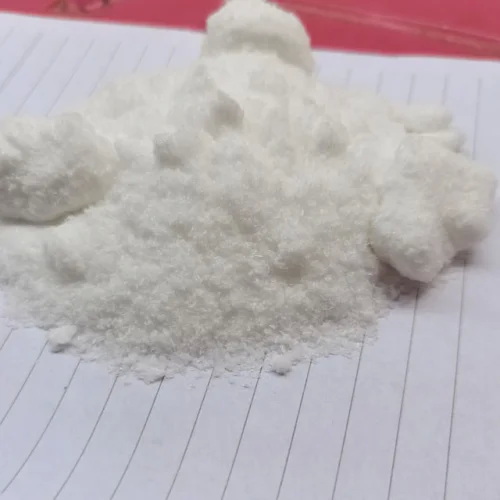
The final product is a high-purity, white crystalline powder of Lidocaine hydrochloride, suitable for pharmaceutical uses.
Maintaining pharmaceutical quality is paramount to ensure safety, efficacy, and regulatory compliance of Lidocaine HCl powder. Critical quality control (QC) checks include:
- Purity Tests: Using High-Performance Liquid Chromatography (HPLC), purity must exceed 99% to meet pharmaceutical standards.
- Melting Point Determination: Lidocaine base typically melts between 67-68°C; deviations may indicate impurities or incorrect synthesis.
- Heavy Metals Content: Limits on toxic metals such as lead and arsenic are rigorously tested, generally required to be below 20 ppm.
- Residue After Ignition: Reflects inorganic impurities, which should be minimal (<0.1%).
- Sulfate Content: Also tested to ensure low levels of residual sulfate ions.
- Stability Testing: Evaluations under heat, humidity, and light exposure to predict shelf life and storage conditions.
Adhering to stringent QC protocols at each stage safeguards product consistency, making the powder suitable for pharmaceutical formulations.
Packaging plays a vital role in maintaining product stability and meeting market regulations. As an OEM manufacturer, offering flexible packaging options is essential:
- Bulk Packaging: Powder can be packed in moisture-proof, sealed aluminum foil bags or HDPE drums for large volume buyers.
- Retail Packaging: For smaller customers, bottles or jars with tamper-proof caps can be customized.
- Label Customization: OEM services include client-specific labeling, branding, and regulatory information.
- Safety Packaging: Shock-resistant, humidity-controlled packaging ensures product integrity during shipping.
- Logistics Coordination: Various international courier services and freight options are available to meet delivery timelines.
Customizing packaging according to client specifications enhances competitiveness and market acceptance.
Safety is critical throughout the synthesis and handling of Lidocaine HCl powder and its intermediates:
- Personal Protective Equipment (PPE): Operators must wear nitrile gloves, chemical-resistant aprons, safety goggles, and face masks.
- Ventilation: Chemical reactions should occur inside ventilated fume hoods or well-ventilated rooms to avoid inhalation of volatile substances.
- Chemical Handling: Chloroacetyl chloride and hydrochloric acid require cautious handling due to corrosive nature and potential to cause burns.
- Storage: Keep the finished powder in airtight, moisture-proof containers away from heat and direct sunlight.
- Waste Disposal: Follow environmental regulations for disposal of solvents and chemical waste to minimize ecological impact.
By implementing safety protocols, manufacturers protect workers, ensure product quality, and comply with governmental regulations.
Producing high-quality Lidocaine HCl powder requires a precise, multi-step chemical process combined with rigorous quality control and safety practices. As a trusted Chinese manufacturer specializing in biotechnology, pharmaceutical, and medical device raw materials, we offer premium OEM services designed to meet international quality standards and client customization needs.
If your business is seeking reliable partners for the supply and tailored production of pharmaceutical-grade Lidocaine HCl powder, look no further. Contact us today to discuss how we can support your brand with consistent quality, timely delivery, and competitive pricing.

Lidocaine HCl is widely utilized as a local anesthetic to numb tissues during procedures and as an antiarrhythmic agent for treating certain irregular heartbeats.
Our powder meets stringent pharmaceutical standards, boasting a purity level of at least 99%, verified through HPLC analysis.
Yes. We offer extensive customization options for packaging, labeling, and branding to align perfectly with your marketing and regulatory requirements.
Operators should wear suitable PPE, conduct all reactions in fume hoods, safely handle corrosive chemicals, and ensure proper storage and waste disposal.
The overall synthesis and purification process generally takes several hours to a few days depending on batch size, drying times, and quality control procedures.
[1] https://www.youtube.com/watch?v=mVBBJiTGfMo
[2] https://www.youtube.com/watch?v=9kteY5zUIhk
[3] https://patents.google.com/patent/CN102070483B/en
[4] https://patents.google.com/patent/CN110642738A/en
[5] https://www.sonwuapi.com/api-powder/99-lidocaine-powder.html
[6] https://www.pccarx.com/Blog/2-tips-for-compounding-with-lidocaine-and-lidocaine-hcl
[7] https://www.spectrumrx.com/media/flowchart/LI103_-_flowchart.pdf
[8] https://carolinachemical.com/product/lidocaine-powder/
[9] https://www.cerritos.edu/chemistry/chem_212/Documents/Lab/10_lidocaine.pdf
[10] https://pubs.acs.org/doi/10.1021/acs.oprd.6b00165
[11] https://www.made-in-china.com/video-channel/hengkai888_eENpuCdUZsrA_Factory-Supply-Wholesale-99-Pure-Lidocaine-HCl-Powder-to-Ireland-Netherlands-Customs-Clearance-100-.html
[12] https://www.indiamart.com/proddetail/factory-supply-99-lidocaine-hydrochloride-hcl-powder-cas-73-78-9-with-good-price-for-pain-relief-2850329989555.html
[13] https://patents.google.com/patent/CN105294477A/en
[14] https://www.sensotech.com/fileadmin/sensotech/pdf-media-downloads/LSM260_01_01zs.pdf
[15] https://www.made-in-china.com/video-channel/hengkai888_EnTrlANGuZpV_Top-Quality-99-Purity-Lidocaine-HCl-Powder-Lidocain-Hydrochloride-Safety-Delivery.html
[16] https://www.chemicalbook.com/SupplyInfo_702386.htm
[17] https://jpdb.nihs.go.jp/jp14e/14data/Part-I/Lidocaine.pdf
[18] https://pmc.ncbi.nlm.nih.gov/articles/PMC3920691/
[19] https://xinlubio.en.made-in-china.com/product/BnzULKrDaoRW/China-Factory-99-Lidocaine-Hydrochloride-Powder-CAS-73-78-9-Anesthetic-Lidocaine-HCl.html
[20] https://www.alibaba.com/lidocaine-hcl-suppliers.html