Content Menu
● Understanding Lidocaine and Numbing Creams
● Key Ingredients in Lidocaine Numbing Cream
● Detailed Step-by-Step Preparation Method for Lidocaine Numbing Cream
>> Step 1: Preparing the Aqueous Carbomer Gel Phase
>> Step 2: Formulating the Oil and Anesthetic Phase
>> Step 3: Preparing Sodium Hydroxide Solution for pH Adjustment
>> Step 4: Emulsification Process
>> Step 5: Combining the Aqueous Carbomer Gel with the Emulsion
>> Step 6: pH Adjustment and Final Mixing
>> Step 7: Packaging and Quality Assurance
● Additional Formulation Considerations and Enhancements
● Quality Control and Safety Considerations
● FAQs
>> 1. What is the ideal concentration of lidocaine in numbing cream?
>> 2. Can lidocaine powder be dissolved directly in water?
>> 3. Why is pH adjustment necessary in numbing cream?
>> 4. How long does it take for lidocaine cream to numb the skin?
>> 5. Is it safe to apply lidocaine cream on broken skin?
Numbing creams containing lidocaine are widely used in medical, cosmetic, and tattooing fields to provide effective local anesthesia by temporarily numbing the skin. If you are involved in the production or compounding of topical anesthetics and want to understand how to make a lidocaine-based numbing cream, this comprehensive guide covers step-by-step methods, key formulation components, important quality controls, safety points, and answers common questions.
Lidocaine is a well-known local anesthetic with fast onset and intermediate duration, effective in blocking nerve signals to reduce pain sensation. It is commonly used in creams, gels, patches, and injectables for numbing purposes. In numbing cream formulations, lidocaine powder is usually combined with other active anesthetics like prilocaine, carriers, emulsifiers, and stabilizers to achieve the right consistency, absorption properties, and safety.
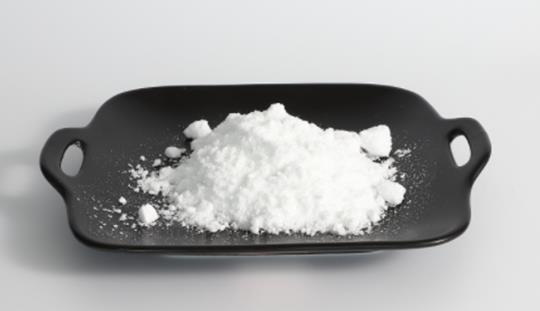
The numbing effect results from lidocaine penetrating the skin's outer layers to reach nerve endings, temporarily blocking nerve impulses. This action prevents the transmission of pain signals to the brain, making procedures like injections, minor surgeries, or cosmetic treatments more comfortable.
Lidocaine's molecular weight, solubility, and lipid affinity allow efficient skin penetration, particularly when formulated with agents that enhance permeation. The balance between effective penetration and skin safety is critical in developing high-quality numbing creams.
A successful numbing cream formulation involves a careful blend of active and inactive ingredients, each playing a vital role:
- Lidocaine Powder: The primary active anesthetic agent, providing the numbing effect by blocking sodium channels in nerve cells.
- Prilocaine: Sometimes combined with lidocaine to enhance efficacy and provide a eutectic mixture, which offers improved skin penetration and quicker onset.
- Polyoxyethylene Hydrogenated Castor Oil: A surfactant and emulsifier that improves cream texture and skin absorption.
- Carbomer (such as Carbomer 934P or 974P): A polymer used as a thickening agent to give the cream its gel-like consistency and stability.
- Sodium Hydroxide (NaOH): Utilized to adjust the pH of the cream to the optimal range, enhancing stability and minimizing skin irritation.
- Purified Water: Serves as the aqueous phase, providing the base for the cream formulation.
- Preservatives and Stabilizers: Added as needed to extend shelf life, prevent microbial growth, and maintain formulation integrity.
Beyond these basic components, additional excipients such as humectants, skin conditioners, or penetration enhancers might be included depending on specific formulation goals or brand requirements.
The following method outlines a robust process for producing a stable, effective lidocaine-based numbing cream suitable for both clinical and cosmetic use:
- Begin by accurately weighing the carbomer powder at 0.5-2% concentration based on total cream weight.
- Slowly sprinkle the carbomer into purified water while continuously stirring to avoid clumping.
- Maintain gentle agitation for over one hour to ensure complete hydration and formation of a thick, clear gel. The carbomer gel forms the structural backbone that stabilizes the cream and controls viscosity.
- Weigh lidocaine powder and prilocaine powder at desired concentrations (usually 2.5% each).
- Gently heat the powders in a mixing vessel at 40-50°C until fully melted, creating a clear eutectic anesthetic blend.
- Separately, melt polyoxyethylene hydrogenated castor oil at approximately 60°C.
- Combine the molten castor oil with the anesthetic mixture, stirring thoroughly to achieve a uniform oil phase.
This oil phase serves as the vehicle for the anesthetic agents, facilitating skin permeation and providing an appropriate cream texture.
- Prepare a sodium hydroxide aqueous solution at 5-40% concentration according to the formulation specifications.
- This solution will be added later to fine-tune the cream's pH for optimal anesthetic efficacy and skin compatibility.
- Add part of the purified water to the oil phase while stirring slowly at around 50 rpm, utilizing wall-scraping agitation to prevent ingredient adhesion.
- After 5 minutes, increase stirring speed to around 2000 rpm intermittently (3 minutes on, 1 minute off cycles) for a total of at least 12 minutes.
- The high-shear mixing creates a stable oil-in-water emulsion, essential for the cream's smooth texture and consistent drug delivery.
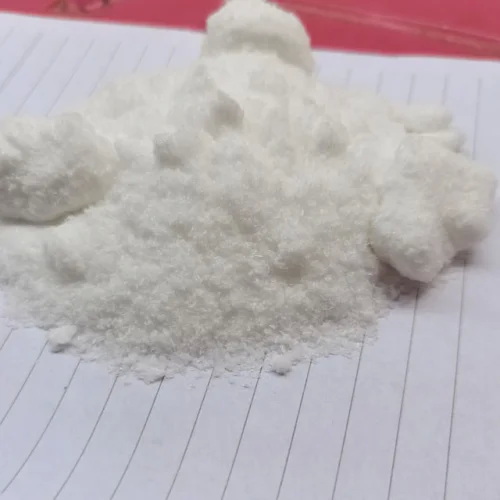
- Slowly add the previously prepared carbomer gel phase into the emulsified mixture while stirring at moderate speed (~60 rpm).
- Stir for 10 minutes to ensure uniform distribution and integration of both phases.
- Gradually add the sodium hydroxide solution while monitoring the pH, aiming for an optimal range of 8.7 to 9.7.
- Continue stirring for approximately 30 minutes to stabilize the emulsification, ensuring homogeneity throughout the cream.
- The elevated pH improves the anesthetic activity of lidocaine while minimizing potential skin irritation.
- Transfer the finished cream into sterile containers under aseptic conditions.
- Seal and label the packaging correctly.
- Perform quality-control testing, including pH measurement, particle size analysis, stability checks (e.g., via centrifugation), uniformity assessment, and microbial limit tests before releasing the batch for sale.
To further optimize the lidocaine numbing cream, manufacturers often consider:
- Penetration Enhancers: Ingredients such as propylene glycol, ethanol, or certain fatty acids can be incorporated to improve skin absorption of lidocaine.
- Preservatives: Use of parabens or phenoxyethanol can prevent microbial contamination and extend product shelf life.
- Moisturizing Agents: Components like glycerin or aloe vera extract provide skin hydration, reducing dryness that sometimes results from anesthetic application.
- Anti-Inflammatories: In some formulations, mild anti-inflammatory agents are added to soothe skin during and after use.
- Texture and Sensory Properties: Adjusting the levels of emulsifiers, thickeners, and oils can modify the cream's feel, greasiness, and absorbency to meet customer preferences.
Each added component must be carefully evaluated for compatibility with lidocaine and overall product safety.
Rigorous quality control ensures the numbing cream is safe, effective, and consistent:
- pH Stability: Ensuring the product maintains the 8.7-9.7 pH range during shelf life to maintain anesthetic efficacy without causing irritation.
- Particle Size and Uniformity: Lidocaine powder particles must be finely milled and uniformly dispersed to avoid gritty texture and ensure consistent dosing.
- Microbiological Testing: Preservative systems must effectively inhibit bacterial and fungal growth. Sterility protocols are critical.
- Stability Testing: Evaluating the cream under accelerated aging conditions and centrifugation tests ensures no phase separation or degradation.
- Toxicological Safety: Impurity levels, especially of related compounds such as o-toluidine, must be minimized to avoid allergenic or toxic effects.
- Clinical Safety: The finished cream should not be applied to broken or irritated skin, and usage instructions must be clear to avoid over-application or systemic absorption risks.
Strict adherence to pharmaceutical manufacturing norms, including Good Manufacturing Practice (GMP), helps in producing a reliable final product.
Producing a high-quality lidocaine numbing cream requires meticulous formulation design, precise control over ingredient blending, temperature, pH, and emulsification processes. By understanding the roles of individual components and ensuring rigorous quality control, manufacturers can create stable, effective topical anesthetic creams suitable for various medical and cosmetic applications. Whether for pain reduction during dermatological procedures, tattooing, or minor surgeries, a well-formulated lidocaine cream provides comfort and safety to patients and users.
For businesses seeking reliable OEM manufacturing in the biotechnology, pharmaceutical, and medical device sectors, partnering with experienced producers can ensure compliant, premium-quality lidocaine numbing creams tailored to your brand's specifications and market needs.

Typically, lidocaine concentrations range from 2.5% to 5%, often combined equally with 2.5% prilocaine to form a eutectic mixture that improves skin penetration and onset of numbness.
No, lidocaine powder is poorly soluble in water. It must be dissolved in an appropriate oil phase at controlled temperatures, usually in combination with emulsifiers to form a stable cream.
Adjusting pH to approximately 8.7-9.7 enhances lidocaine's anesthetic effect and minimizes skin irritation. This alkaline environment increases the fraction of non-ionized lidocaine molecules, which penetrate skin more efficiently.
Generally, it requires about 60 minutes of application for the cream to take full effect, with numbness lasting between one to two hours after removal.
No, lidocaine numbing cream should not be applied to broken, irritated, or damaged skin to avoid excessive systemic absorption that could lead to toxicity or adverse reactions.
[1] https://www.nationwidechildrens.org/-/media/nch/specialties/orthopedics/documents/hhv159.ashx?la=en&hash=4B35EB7443DDC67E6C70FA121CC1E482
[2] https://patents.google.com/patent/CN102070483B/en
[3] https://www.jstage.jst.go.jp/article/yakushi/128/4/128_4_611/_pdf
[4] https://www.pccarx.com/Blog/2-tips-for-compounding-with-lidocaine-and-lidocaine-hcl
[5] https://pmc.ncbi.nlm.nih.gov/articles/PMC4232811/
[6] https://www.mayoclinic.org/drugs-supplements/lidocaine-topical-application-route/description/drg-20072776
[7] https://www.nhs.uk/medicines/lidocaine-for-piles-and-itchy-bottom/about-lidocaine-for-piles-and-itchy-bottom/
[8] https://www.nhs.uk/medicines/lidocaine-for-mouth-and-throat/how-and-when-to-use-lidocaine-for-mouth-and-throat/
[9] https://www.uspharmacist.com/article/topical-anesthesia-use-in-children
[10] https://patents.google.com/patent/CN106806338B/en
[11] https://www.youtube.com/watch?v=WA-q4pXd0Pk
[12] https://en.wikipedia.org/wiki/Lidocaine
[13] https://www.youtube.com/watch?v=uA8iOhb-qM0
[14] https://www.pinterest.com/ideas/numbing-cream/906316965707/
[15] https://www.tiktok.com/discover/how-to-make-homemade-numbing-cream
[16] https://www.goldbond.com/en-us/products/pain-itch-cream-with-lidocaine
[17] https://www.youtube.com/watch?v=RiTN1EYB-rs
[18] https://www.webmd.com/drugs/2/drug-170340/aspercreme-lidocaine-hcl-topical/details
[19] https://www.salispharm.com/knowledge/can-i-add-lidocaine-powder-to-my-homemade-lotion-
[20] https://www.lichensclerosusguide.org.uk/everyday-life-with-vulval-ls/
[21] https://www.shutterstock.com/search/numbing-anesthetic
[22] https://www.youtube.com/watch?v=YrnSUJWU_30
[23] https://www.shutterstock.com/search/numbing-cream
[24] https://www.medicalnewstoday.com/articles/lidocaine-overdose