Content Menu
● Understanding Lidocaine Mixing: Key Points
● Necessary Supplies and Equipment
● Step-by-Step Guide for Mixing Lidocaine Powder
>> 1. Preparing Your Work Area
>> 2. Weighing Lidocaine Powder Precisely
>> 3. Choosing the Right Solvent or Base
>> 4. Dissolving Lidocaine Powder
>>> For Injectable or Aqueous Solutions
>>> For Topical Gel Preparations
>> 6. Sterilization and Filtration
>> 7. Filling, Labeling, and Storing
● Additional Tips for Successful Lidocaine Mixing
● Applications of Mixed Lidocaine Solutions and Gels
● FAQ: Lidocaine Powder Mixing
>> 1. What is the difference between lidocaine base and lidocaine hydrochloride powder?
>> 2. How should I store lidocaine solutions after mixing?
>> 3. Can I add epinephrine to lidocaine powder solutions?
>> 4. How do I reduce pain from lidocaine injections?
>> 5. What are the risks of mixing lidocaine powder incorrectly?
Mixing lidocaine powder correctly is crucial for applications in medical, dental, and cosmetic procedures, where reliable local anesthesia and safety are paramount. This comprehensive guide will walk you through the science, supplies, step-by-step procedures, safety protocols, and best practices to ensure you can prepare lidocaine solutions or gels suitable for a variety of clinical and practical uses.
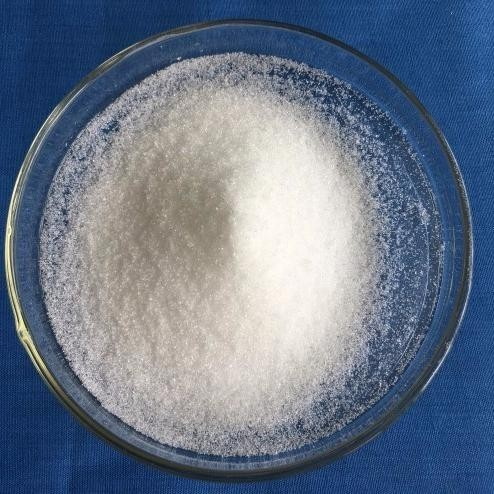
Lidocaine, sometimes referred to as lignocaine, is a widely used local anesthetic and antiarrhythmic agent. In its purest form, it is often supplied as a fine white or off-white powder, either as lidocaine base or lidocaine hydrochloride (the HCl salt)—each having slightly different uses in compounding and solution stability. The hydrochloride form is the most pharmacologically active and water-soluble variant, commonly employed in injectable and aqueous topical preparations, whereas the base form is generally used in formulations requiring oil or lipid solvents.
- Purpose: Mixing lidocaine powder allows you to create topical gels, injectable solutions, or custom formulations for specific procedures.
- Forms: Lidocaine base is preferred in oil-based preparations; lidocaine hydrochloride (more soluble in water) is used in aqueous solutions.
- Concentration: Appropriate concentration is critical to efficacy and safety. Typical injectable lidocaine solutions are available at 1%-2%, while topical gels can range from 2% to 5%, depending on the desired anesthetic effect.
Before beginning any compounding of lidocaine powder, make sure you have all necessary materials on hand:
- Pharmaceutical-grade lidocaine powder (either base or hydrochloride, depending on the intended formulation)
- Sterile or purified water for dissolving lidocaine hydrochloride
- Carrier oils (such as medium-chain triglycerides or other appropriate solvents) for oil-based preparations using the lidocaine base
- Sterile glass beakers of varying sizes for mixing
- Precision scales for accurate measuring of powders and liquids
- Clean stirring rods or magnetic stirrers to ensure thorough mixing
- Optional additives such as epinephrine, sodium bicarbonate (for buffering), gelling agents (e.g., carboxymethylcellulose, carmethose), preservatives like ethylparaben, and glycerol for gel viscosity and texture
- Graduated syringes and sterile filters (0.2 micron) for sterilization and final packaging
- Personal protective equipment (PPE) such as gloves, face masks, and protective eyewear
- Clean work environment with aseptic conditions to avoid contamination
Clean and disinfect all surfaces to establish a sterile field before beginning the mixing process. Wear gloves, a mask, and protective eyewear throughout to minimize contamination risk and exposure to powders or aerosols. Keep sterile utensils and containers ready to use.
Using a precision analytical balance, measure the exact weight of lidocaine powder required for your formulation. Accurate dosing helps ensure the safety and efficacy of the preparation. Record the amount for labeling and quality control purposes.
The choice of solvent is dictated by the lidocaine form being used and the final application:
- Lidocaine Hydrochloride: Because it is water-soluble, dissolve it in sterile purified water or saline when preparing injectable solutions or aqueous gels.
- Lidocaine Base: For oil-based topical preparations, dissolve the lidocaine base in appropriate carrier oils or fatty bases.
Optimal concentrations depend on intended use; common injectable solutions contain 1%-2% lidocaine, while topical formulations vary but rarely exceed 5%.
Place the accurately weighed lidocaine hydrochloride powder into a sterile beaker. Gradually add sterile water while stirring continuously until the powder fully dissolves. Gentle warming (not exceeding 40°C) may assist solubility but be cautious to avoid degradation.
Prepare the gelling agent separately by allowing it to swell in purified water. For example, disperse carboxymethylcellulose or carmethose powder in water and stir to achieve a uniform gel base. Dissolve lidocaine hydrochloride in a separate portion of water, optionally adding glycerol for enhanced texture and moisturizing properties. Slowly combine the lidocaine solution with the gel base, mixing thoroughly to ensure homogeneity. Adjust pH between 6.0 and 7.0 using sodium hydroxide or sodium bicarbonate if necessary to optimize stability and reduce irritation.
- Epinephrine: For injectable lidocaine solutions, adding epinephrine can prolong anesthetic action and reduce bleeding. Typical epinephrine concentration is 1:100,000 (0.01 mg/mL). Mix carefully to avoid bubbles and ensure sterile conditions.
- Buffering: Raising the pH of lidocaine solutions with sodium bicarbonate (mixing nine parts lidocaine to one part 8.4% sodium bicarbonate) can diminish injection pain by reducing acidity.
When preparing injectable solutions, it is essential to sterilize the final product to eliminate microbial contamination. Use a sterile 0.2-micron syringe filter to filter solutions under aseptic conditions. Packaging must be executed with sterile syringes or vials.
Once formulation is complete, transfer the solution or gel into sterile containers. Clearly label each container with:
- Product name
- Lidocaine concentration
- Preparation date
- Expiry or recommended usage period
Store preparations in a refrigerated environment (2-8°C). Avoid exposure to light and extremes of temperature, and discard any unused or contaminated solutions according to local regulations.
- Always verify the quality and purity of raw lidocaine powder from reputable suppliers.
- Maintain strict aseptic techniques to reduce infection risks, especially when compounding injectable forms.
- Use clean, dedicated tools and avoid cross-contamination between batches.
- Conduct quality checks including pH, clarity, and sterility tests if possible.
- Be aware of the stability and shelf life of the final formulation—lidocaine solutions may degrade over time, especially when exposed to heat and light.
- Understand legal and regulatory requirements in your region related to compounding and distribution of pharmaceutical preparations.
Properly compounded lidocaine solutions and gels have multiple uses:
- Local anesthesia for minor surgical and dental procedures
- Topical anesthetics for skin treatments such as tattooing, laser therapy, and cosmetic injections
- Nerve blocks and regional anesthesia
- Pain relief formulations for minor injuries or dermatological conditions
- OEM pharmaceutical products customized for healthcare providers and medical brands
OEM manufacturers must collaborate closely with clients to meet specific concentration, formulation, and packaging needs under quality assurance protocols.
- Only qualified personnel should compound lidocaine products.
- Accurate measurement and dilution are vital to avoid overdose, toxicity, or underdosing.
- Avoid using epinephrine-containing lidocaine in end-artery supplied areas (fingers, toes, nose, ears) due to ischemic risk.
- Monitor patients for possible allergic reactions or toxicity, particularly when using higher concentrations.
- Follow recommended maximum dosage guidelines for patient safety (generally not exceeding 4.5 mg/kg without epinephrine).
- Clearly label and securely store lidocaine products to prevent accidental misuse or poisoning.
Mixing lidocaine powder properly is a critical process that demands precision, sterility, and adherence to pharmaceutical practices. Whether compounding injectable anesthetics or topical gels, following these detailed guidelines will help ensure safe, effective, and high-quality formulations for diverse medical uses. Partnering with experienced suppliers and utilizing expert OEM services can further enhance your product quality and support your business growth. Don't hesitate to reach out to trusted professionals for tailored technical assistance and competitive sourcing of lidocaine powders.
Take your formulations to the next level—contact us today for premium lidocaine powder, comprehensive OEM services, and expert consultation to meet your unique needs!
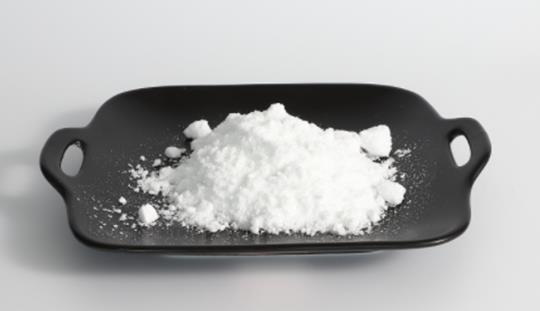
Lidocaine hydrochloride (HCl) is water-soluble and commonly used in injectable and aqueous topical formulations. Lidocaine base is less soluble in water and usually used in oil-based or lipid-rich topical preparations. Selecting the correct form depends on the intended use and formulation type.
Store lidocaine solutions and gels in tightly sealed sterile containers at refrigerated temperatures (2-8°C). Avoid exposing them to direct sunlight or heat. Discard any solution that changes color, becomes cloudy, or exceeds its recommended shelf life.
Yes, epinephrine is often added to prolong anesthetic duration and reduce bleeding. The typical concentration is 1:100,000. Precise measurement and aseptic technique are essential when adding epinephrine to maintain safety and efficacy.
Buffering the lidocaine solution with sodium bicarbonate raises the pH and diminishes injection discomfort. A common ratio is mixing nine parts lidocaine solution with one part 8.4% sodium bicarbonate immediately before administration.
Incorrect mixing can cause inaccurate dosing, contamination, reduced efficacy, or patient harm including toxicity or adverse reactions. Always follow proper procedures, use pharmaceutical-grade materials, and maintain aseptic techniques during compounding.
Hot tags: How To Mix Lidocaine Powder Properly, Lidocaine Powder Formulation, Lidocaine Mixing Instructions, Lidocaine Base To Gel, Combining Lidocaine With Carrier, Lidocaine Cream Recipe With Powder, How To Dilute Lidocaine Powder, Mixing Lidocaine With Alcohol, Lidocaine Powder In Cosmetic Use, Lidocaine Compound Preparation