Content Menu
● Understanding Lidocaine: Properties and Uses
● Why Convert Liquid Lidocaine to Powder?
● Core Principles: From Liquid to Powder
>> 1. Preparation of Lidocaine Starting Solution
>> 2. Filtration and Clarification
>> 3. Concentration of the Solution
>>> a) Freeze-Drying (Lyophilization)
>>> b) Spray Drying
>>> c) Vacuum Drying
>> 5. Powder Recovery and Processing
● Equipment and Materials Needed
● Storage and Packaging Solutions
● Common Pitfalls and Solutions
● Applications of Lidocaine Powder
● Frequently Asked Questions (FAQ)
>> 1. What is the most efficient method for converting liquid lidocaine to powder?
>> 2. Can liquid lidocaine be converted into powder using simple laboratory equipment?
>> 3. How is the purity of lidocaine powder guaranteed?
>> 4. What regulatory requirements must be considered when exporting lidocaine powder internationally?
>> 5. How long can lidocaine powder be stored compared to its liquid form?
Lidocaine, a versatile local anesthetic, is widely used in medical, dental, and pharmaceutical fields due to its efficacy and safety profile. Available in various forms, including injectables, topical solutions, gels, and powders, lidocaine powder is highly valued for applications such as pharmaceutical formulations, transdermal patches, and compounding creams. The process of converting liquid lidocaine into powder is essential for manufacturers aiming to improve product stability, ease of handling, and logistics — especially in the context of OEM services provided by industrial suppliers.
This article offers a detailed and comprehensive guide on how to convert liquid lidocaine into powder, encompassing the scientific principles, practical steps, equipment, safety considerations, quality control, application fields, and frequently asked questions. Whether you are a pharmaceutical developer, an OEM manufacturer, or a health industry professional, this guide will equip you with the knowledge to understand and optimize lidocaine powder production.
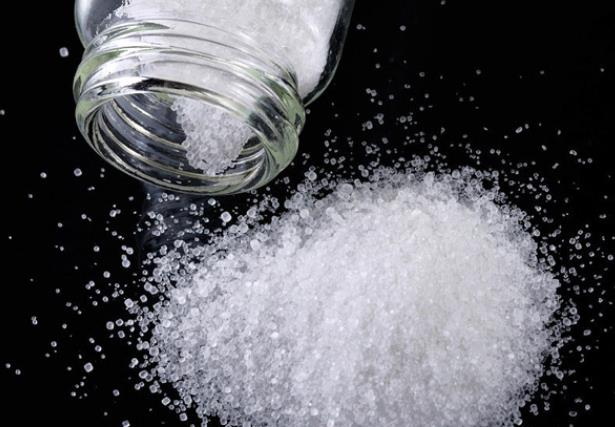
Lidocaine is among the most commonly used anesthetics in the world, renowned for its fast onset and moderate duration of action. While liquid forms—such as lidocaine hydrochloride solutions—are preferred for immediate use, converting lidocaine into powder brings considerable benefits in terms of product stability and formulation versatility.
Powdered lidocaine is easier to transport, store, and incorporate into different drug delivery systems while maintaining chemical integrity. For factory suppliers working with international brands, mastering the reliable transformation from liquid to powder is vital to meet stringent GMP and regulatory demands.
Lidocaine is an amide-type local anesthetic with chemical and physical characteristics that influence its processing:
- Chemical Structure: Composed of an aromatic ring and an amide bond, which grants stability under normal conditions.
- Solubility: Lidocaine hydrochloride is moderately soluble in water, while the free base form has low solubility but excellent lipid permeability.
- Thermal Stability: Lidocaine withstands moderate heat but can degrade if exposed to high temperatures for prolonged times.
- Physical Form: The hydrochloride salt is typically a white crystalline powder, while liquid lidocaine is often a clear, aqueous or alcohol-based solution.
Applications of lidocaine include:
- Local anesthetic injections for minor surgeries and dental procedures
- Topical gels and creams for pain relief
- Transdermal patches for controlled drug delivery
- Oral products like lozenges for throat numbness
- Antiarrhythmic drugs for cardiac conditions
Converting to powder form allows the drug to be used flexibly in these diverse formats.
There are several key advantages to producing lidocaine powder from liquid solutions:
- Improved Stability: Powders are generally less susceptible to degradation from hydrolysis and microbial contamination.
- Simplified Storage and Transport: Dry powders require less stringent cold chain logistics and can be stored longer under appropriate conditions.
- Flexible Formulation: Powders facilitate better dosage control and can be easily formulated into tablets, capsules, patches, or creams.
- Enhanced Purity: Certain drying methods can remove residual solvents and impurities, yielding higher-purity products.
- Economic Benefits: Reduced weight and volume for shipping save costs in global distribution.
OEM partners benefit by gaining raw materials in an easily processable form, enabling consistent finished product quality.
The process of turning liquid lidocaine into powder involves removing the solvent while preserving the chemical structure and purity of the lidocaine compound. Key concepts include:
1. Phase Transition: Transforming lidocaine from a dissolved state to a solid crystalline or amorphous state.
2. Solvent Removal: Efficiently and gently removing water or organic solvents to prevent decomposition.
3. Drying Techniques: Using methods like freeze-drying (lyophilization), spray drying, or vacuum drying to accomplish solvent removal.
4. Maintaining Stability and Purity: Avoiding exposure to excessive heat or oxidation that could reduce efficacy.
5. Particle Size Control: Milling or sieving the resulting powder to produce uniform particles for optimized formulation.
Each drying method has strengths and specific equipment requirements, depending on product scale and purity demands.
Start with a high-purity liquid solution of lidocaine, commonly either the free base dissolved in a volatile organic solvent such as acetone or ethanol, or lidocaine hydrochloride dissolved in water. The solution concentration should be optimized for drying to maximize yield without excessive viscosity.
Prior to drying, the solution must be filtered through appropriate pore size membranes or filtration apparatus to remove particulate matter and microbial contaminants. This ensures product quality and reduces the risk of blockages in drying equipment.
To reduce drying time and improve efficiency, concentrate the lidocaine solution by removing excess solvent. A rotary evaporator is commonly used, operating under reduced pressure to gently evaporate solvents at lower temperatures, minimizing thermal degradation.
Several advanced drying methods are used to convert the concentrated lidocaine solution into powder:
This technique involves rapidly freezing the solution and then subliming the frozen solvent under vacuum. It produces a highly pure, porous powder with excellent stability.
- Advantages: Preserves molecular structure and bioactivity, minimal thermal degradation, yields highly porous powder.
- Disadvantages: Relatively slow and costly; specialized equipment required.
In spray drying, the solution is atomized into a hot air chamber, rapidly evaporating the solvent and leaving behind fine powder particles.
- Advantages: Fast and scalable; produces fine, uniform powders.
- Disadvantages: Heat exposure may risk slight degradation; requires precise control of inlet air temperature.
Vacuum drying involves spreading the solution on trays and applying vacuum and low heat to remove solvents at reduced pressure.
- Advantages: Gentle drying; widely used for heat-sensitive materials.
- Disadvantages: Longer drying times; possible clumping if not carefully controlled.
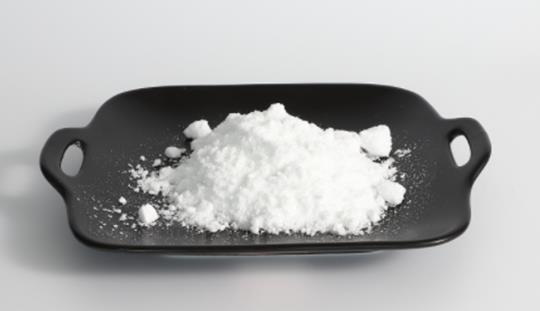
After drying, the powder is collected—scraped from trays or collected from drying chambers—and may be further processed. Milling or sieving ensures particles meet size specifications suitable for final formulations.
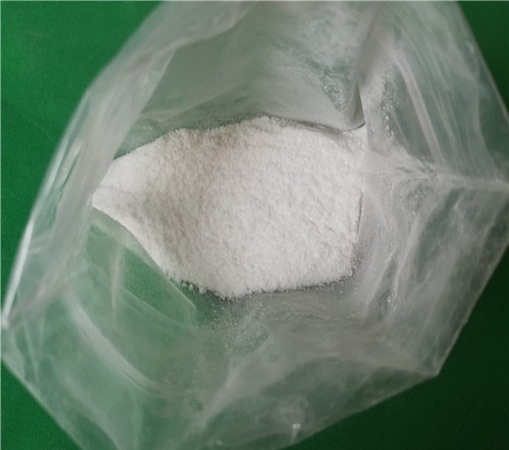
The powdered lidocaine must be packed in airtight, light-resistant containers under low-humidity conditions. Pharmaceutical-grade packaging materials and inert atmospheres help maintain powder quality during storage and transportation.
Producing lidocaine powder requires specialized industrial and laboratory equipment:
- Freeze Dryer (Lyophilizer): For sublimation drying.
- Spray Dryer: For atomization and rapid solvent evaporation.
- Rotary Evaporator: For solvent concentration.
- Vacuum Oven: For controlled vacuum drying.
- Filtration Units: Buchner funnels, membrane filters, vacuum pumps.
- Particle Size Analyzers: To confirm powder uniformity.
- Analytical Instruments: HPLC, NMR for purity assessment.
- Protective Gear: Gloves, goggles, respirators, and lab coats.
Strict adherence to GMP-compliant cleanroom environment standards is recommended to avoid contamination.
Safety protocols are crucial when handling lidocaine and organic solvents:
- Wear personal protective equipment (PPE) at all times.
- Work in well-ventilated areas or fume hoods to avoid inhalation of solvents or powder dust.
- Store solvents away from ignition sources due to flammability.
- Avoid skin contact, as lidocaine can cause irritation or sensitization.
- Dispose of chemical waste according to local environmental regulations.
- Follow regulatory guidelines relevant to pharmaceutical production.
Protecting personnel safety and maintaining product integrity go hand in hand.
Ensuring the safety, efficacy, and compliance of lidocaine powder involves rigorous quality control:
- Purity Testing: HPLC and NMR assays confirm active ingredient content and detect impurities.
- Residual Solvent Analysis: Gas chromatography checks for leftover solvents within acceptable limits.
- Particle Size Distribution: Laser diffraction or sieving ensures consistent particle size.
- Moisture Content: Karl Fischer titration or moisture analyzers determine residual water.
- Microbial Testing: Sterility and endotoxin tests rule out contamination.
- Stability Analysis: Ongoing stability studies under controlled temperature and humidity conditions validate shelf life.
Obtaining Certificates of Analysis (COA) from suppliers verifies batch quality.
Proper storage maintains the quality of lidocaine powder:
- Store in cool (below 25°C), dry conditions away from direct light.
- Use sealed pharmaceutical-grade containers such as amber glass bottles or multilayer foil bags.
- For bulk shipments, vacuum-sealed aluminum foil bags inside rigid drums provide moisture and oxygen barriers.
- Label packaging clearly with batch information, manufacturing date, and storage instructions.
Good packaging practices prevent degradation from moisture, oxidation, and light exposure.
| Pitfall | Solution |
|---|---|
| Residual moisture in powder | Extend drying duration; verify humidity levels |
| Thermal degradation or yellow tint | Reduce drying temperature; optimize drying cycle |
| Clumping or hard cakes forming | Adjust drying speed; incorporate anti-caking agents |
| Contamination (particulates, microbes) | Upgrade cleanroom, filters, and sanitization protocols |
| Inconsistent particle size | Use milling/sieving and monitor throughout processing |
Proactive troubleshooting keeps production consistent and efficient.
Lidocaine powder serves as a key raw material for various pharmaceutical and medical products, including:
- Compounded Topical Preparations: Creams, gels, ointments customized for dermatology.
- Injectable Formulations: Reconstituted powders providing controlled doses.
- Transdermal Patches: Incorporated into adhesive matrices for sustained drug delivery.
- Oral Dosage Forms: Lozenges and tablets providing topical anesthesia for the oropharynx.
- Research and Development: Raw material for pharmaceutical formulation R&D.
Supplying high-quality powder supports diverse health industry needs internationally.
Converting liquid lidocaine into powder is a complex yet essential process that enhances the drug's stability, usability, and suitability for diverse pharmaceutical applications. By understanding the chemical properties, selecting appropriate drying methods such as freeze-drying, spray drying, or vacuum drying, and maintaining stringent quality and safety standards, manufacturers can produce high-quality lidocaine powder to meet global market demands.
Our expertise in OEM lidocaine powder production allows us to offer tailored solutions, from customized particle sizes to specialized packaging, ensuring compatibility with your formulation needs and regulatory compliance. Whether you are a brand owner or a bulk supplier, partnering with a reliable manufacturer is key to achieving success in the competitive pharmaceutical and medical industries.
Ready to enhance your product line or find a reliable bulk lidocaine powder supplier? Contact us at supplybenzocaine.co.uk for expert OEM services and technical consultations. Let us help you bring superior anesthetic products to market with confidence and efficiency!
Freeze-drying (lyophilization) is considered the most effective method for preserving the chemical structure and bioactivity of lidocaine while achieving a high-purity, stable powder. However, spray drying offers faster throughput for industrial-scale production with good quality outcome.
No. Specialized industrial or pilot-scale equipment such as freeze dryers, spray dryers, and rotary evaporators are required to ensure purity, avoid degradation, and meet pharmaceutical quality standards.
Purity is verified through strict quality control processes including High-Performance Liquid Chromatography (HPLC), Nuclear Magnetic Resonance (NMR), residual solvent analysis, and microbial limit tests. Suppliers usually provide Certificates of Analysis (COA) to confirm these parameters.
Lidocaine is a controlled pharmaceutical substance in most countries. Compliance with Good Manufacturing Practices (GMP), proper documentation, batch traceability, and adherence to import/export regulations are essential for international trade.
When stored correctly under dry, cool, and dark conditions in sealed containers, lidocaine powder can have a shelf life of up to two years, which is significantly longer than liquid formulations susceptible to microbial contamination and chemical degradation.
Hot tags: Convert Lidocaine Liquid To Powder, Dehydrate Lidocaine Solution, Lidocaine Powder Extraction, Making Lidocaine Powder From Solution, Lidocaine Crystallization Process, Remove Water From Lidocaine, Evaporation Technique For Lidocaine, DIY Lidocaine Powder From Liquid, Can You Make Powdered Lidocaine, Lidocaine Powder Recovery