Content Menu
● How to Take Lidocaine Powder: A Comprehensive Guide
>> Preparation and Safety Precautions
>> Formulating Lidocaine Powder for Use
>>> 2. Spray or Viscous Solution
>> Safety Considerations When Using Lidocaine Powder
● Extended Applications and Benefits of Lidocaine Powder
● Frequently Asked Questions (FAQ)
>> 1. What is the typical dosage of lidocaine powder when prepared for topical use?
>> 2. Can I use lidocaine powder directly on my skin or mouth?
>> 3. How should lidocaine powder be stored?
>> 4. Is lidocaine powder safe for children?
>> 5. What should I do in case of an overdose of lidocaine?
Lidocaine powder is a versatile local anesthetic widely used in medical, dental, pharmaceutical, and cosmetic fields to numb tissue in specific areas and relieve pain or discomfort. This powdered form is typically utilized by professionals to prepare lidocaine in various doses and formulations, such as gels, creams, sprays, ointments, or injectable solutions. These preparations are then applied topically or injected to alleviate pain from medical procedures, surgeries, or chronic conditions like shingles or oral ulcers. Understanding the correct methods for taking and using lidocaine powder safely is essential for its effectiveness and minimizing risks.
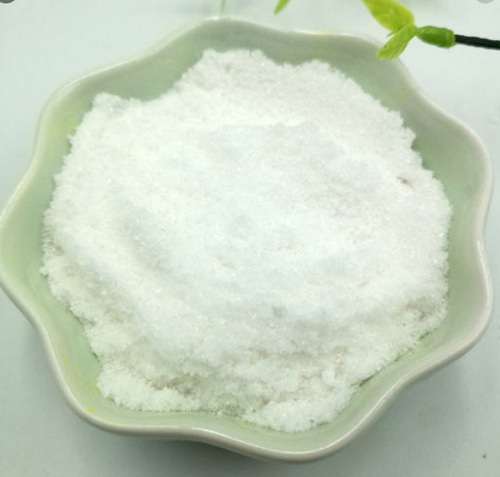
Lidocaine is a local anesthetic that functions by blocking nerve signals in the body, effectively numbing targeted areas to prevent pain sensations. The powder form of lidocaine is highly concentrated and requires precise compounding into suitable formulations before use. These custom formulations allow medical practitioners and pharmaceutical manufacturers to tailor lidocaine's concentration and vehicle for specific applications, ensuring both efficacy and patient safety.
Lidocaine powder offers flexibility as it can be compounded into:
- Topical gels and creams for surface pain relief.
- Viscous solutions or sprays for mucosal application.
- Injectable formulations for deeper or surgical anesthesia.
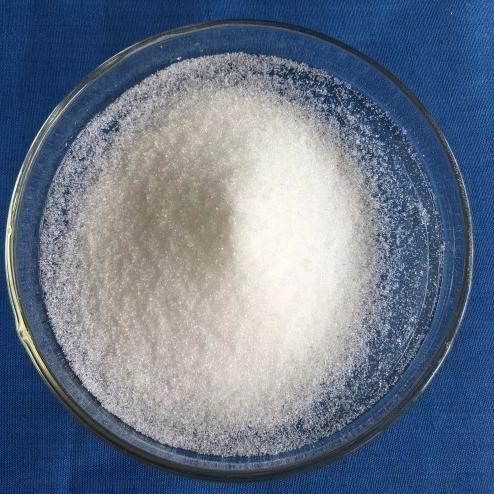
The powder itself is not intended for direct contact with skin or mucous membranes because it can cause irritation or overdose due to uncontrolled dosing.
Before handling lidocaine powder, strict hygiene and safety measures must be followed:
- Always wear disposable gloves and a mask when working with the powder to avoid inhalation or skin contact.
- Work in a clean environment, preferably a designated compounding area with proper ventilation.
- Use precise electronic scales to measure the exact amount required; dosing errors can lead to toxicity.
- Avoid any direct inhalation or eye contact. In case of accidental exposure, flush thoroughly with water and consult a healthcare professional.
Because pure lidocaine powder is highly potent, it should never be ingested or applied undiluted. Instead, it must be dissolved or compounded into a pharmaceutical vehicle appropriate for the intended route of administration.
The process of transforming lidocaine powder into a safe and effective product involves careful dissolution and mixing:
- Solvent selection: Common solvents include sterile water, saline, ethanol, or propylene glycol depending on the formulation.
- Concentration adjustment: Medical professionals adhere to precise formulas to prepare lidocaine in concentrations ranging from 2% to 10% or higher based on clinical needs.
- Sterilization: Injectable solutions must be sterilized by filtration or autoclaving; topical products require compounded under clean conditions to prevent contamination.
- Storage: Finished formulations should be stored in airtight, light-resistant containers and kept at recommended temperatures to maintain stability. Labeling with strength, date prepared, and expiry is essential.
Topical formulations made from lidocaine powder, such as gels, creams, or ointments, are common for numbing minor skin irritations, insect bites, burns, or oral mucosal discomfort.
- Apply a thin layer to the affected area using a cotton swab or clean finger.
- Gently rub the gel into the skin or mucous membrane.
- Wait for 15 to 30 minutes to allow the anesthetic effect to develop.
- Reapply every 3 to 4 hours as directed, avoiding excessive use which may lead to systemic absorption.
Topical lidocaine is commonly employed before cosmetic procedures like tattooing or laser treatments to reduce discomfort.
For oral or throat pain, viscous lidocaine solutions or sprays prepared from the powder can be used:
- Spray the solution directly onto the irritated mucosal surface, such as the throat or gums.
- For a viscous solution, swish it inside the mouth for about one minute before spitting out to relieve sores or ulcers.
- Do not swallow to avoid systemic toxicity.
- Observe strict dosage limits and frequency as advised by a healthcare provider.
Injection using lidocaine prepared from powder is strictly a medical procedure performed by trained healthcare professionals:
- Injectable lidocaine is used for local anesthesia during surgeries, dental work, or diagnostic procedures.
- Dosages are calculated based on patient weight and procedure type, with common adult maximum doses around 200–300 mg per administration.
- The injection site is cleaned thoroughly to prevent infection.
- Continuous monitoring may be necessary during and after injection, especially for larger doses, to detect adverse reactions early.

Due to the potency of lidocaine, improper use can lead to significant side effects and toxicity. Key safety tips include:
- Never apply lidocaine powder directly onto skin or mucous membranes.
- Avoid application on broken, inflamed, or infected skin unless specifically directed.
- Be aware of possible allergic reactions, including redness, itching, rash, or swelling.
- Signs of lidocaine overdose may include dizziness, confusion, nausea, blurred vision, tremors, convulsions, or cardiac irregularities — these require immediate medical attention.
- Patients with liver disease, heart conditions, or sensitivity to amide anesthetics should use lidocaine with caution.
- Always store lidocaine powder and compounds out of reach of children and pets to prevent accidental ingestion.
Beyond traditional medical uses, lidocaine powder's compounding flexibility opens doors to multiple innovative applications in pharmaceuticals and cosmetics:
- Transdermal Patches: Compounded lidocaine gels may be incorporated into patches for slow, controlled release of the anesthetic, useful in chronic pain management.
- Dental Products: Lidocaine from powder is used to prepare customized dental gels or rinses for numbing oral tissues before procedures.
- Cosmetic Procedures: Lidocaine-containing topical products are essential in reducing pain for minimally invasive skin treatments like micro-needling, chemical peels, and fillers.
- Veterinary Medicine: Customized formulations from lidocaine powder provide local anesthesia in various animal treatments, relying on species-appropriate dosing.
This versatility makes lidocaine powder an invaluable raw material for pharmaceutical manufacturers and private label brands seeking OEM solutions with exact concentration control and formulation customization.
Lidocaine powder is a potent, versatile local anesthetic crucial in modern medical, dental, pharmaceutical, and cosmetic applications. It must always be handled with care and professionally compounded into safe, effective formulations appropriate for the intended use. Whether applied topically, used as a spray, or administered by injection, adherence to recommended dosages and safety guidelines is essential to maximize benefits and minimize risks.
For businesses seeking high-quality lidocaine powder for OEM manufacturing of pharmaceutical and healthcare products, we provide experienced formulation support, strict quality control, and reliable supply services. Contact us today to discuss how we can partner with you in delivering premium lidocaine-based products to your global clients.
The dosage depends on the product concentration and application site. Generally, topical lidocaine formulations like 5% ointments are applied in thin layers 3 to 4 times daily with at least 3 hours between applications. Exact amounts vary by condition and patient.
No. Lidocaine powder must be compounded into a suitable vehicle such as gels, creams, sprays, or injectable solutions before use. Direct application of powder can cause irritation, overdose, and toxicity.
Store lidocaine powder and compounded products in airtight, light-resistant containers in a cool, dry place away from heat and moisture. Proper labeling with preparation date and concentration helps ensure safe usage.
Lidocaine use in children requires strict medical supervision, especially under 3 years of age, due to higher risk of systemic toxicity. Dosage adjustments and careful monitoring are critical.
If overdose is suspected, seek immediate medical attention. Symptoms include dizziness, confusion, nausea, shortness of breath, irregular heartbeat, or seizures. Supportive care and emergency treatment are often necessary.
[1] https://www.nhs.uk/medicines/lidocaine-for-mouth-and-throat/how-and-when-to-use-lidocaine-for-mouth-and-throat/
[2] https://www.drugs.com/pro/lidocaine.html
[3] https://moehs.com/wp-content/uploads/2022/12/EN__LIDOCAINE-BASE000137-58-6_11152022.pdf
[4] https://www.mayoclinic.org/drugs-supplements/lidocaine-topical-application-route/description/drg-20072776
[5] https://www.sigmaaldrich.com/TC/en/product/sigma/l7757
[6] https://www.fishersci.co.uk/store/msds?partNumber=15425309&countryCode=GB&language=en
[7] https://dailymed.nlm.nih.gov/dailymed/drugInfo.cfm?setid=ea5416d6-5988-413b-8682-6835b359eb78
[8] https://www.mayoclinic.org/drugs-supplements/lidocaine-intradermal-route/description/drg-20137337
[9] https://imgcdn.mckesson.com/CumulusWeb/Click_and_learn/SDS_9PURTK_LIDOCAINE_HCL_CRM_3_28_3GM.pdf
[10] https://medlineplus.gov/druginfo/meds/a682701.html
[11] https://www.uspharmacist.com/monthly_compounding_update/nl/83809/
[12] https://www.carlroth.com/medias/SDB-1KN7-MT-EN.pdf?context=bWFzdGVyfHNlY3VyaXR5RGF0YXNoZWV0c3wyNDgzMzV8YXBwbGljYXRpb24vcGRmfGFHSXpMMmhrTlM4NU1UY3dNemc0TnpRMk1qY3dMMU5FUWw4eFMwNDNYMDFVWDBWT0xuQmtaZ3w1NjZhOGRhYzdiYjRkMmVhYzdmMWRkNjU1YTk0NzFhNDkyYjk4ZjhhZGM2NDAxNzQ2ZGEyZWU3MDczMjQ1OWRi
[13] https://dailymed.nlm.nih.gov/dailymed/drugInfo.cfm?setid=0fb7864f-be1c-4992-a996-556aef29981f
[14] https://www.fishersci.com/store/msds?partNumber=AAJ6303514&productDescription=LIDOCAINE+HYDROCLRIDE+M+98+25G&vendorId=VN00024248&countryCode=US&language=en
[15] https://jpdb.nihs.go.jp/jp14e/14data/Part-I/Lidocaine.pdf
[16] https://www.merck.com/docs/product/safety-data-sheets/ah-sds/Lidocaine%20Hydrochloride%20Formulation_AH_US_EN.pdf
[17] https://www.pccarx.com/Blog/2-tips-for-compounding-with-lidocaine-and-lidocaine-hcl
[18] https://www.carlroth.com/medias/SDB-1KN7-GB-EN.pdf?context=bWFzdGVyfHNlY3VyaXR5RGF0YXNoZWV0c3wyNDY4ODl8YXBwbGljYXRpb24vcGRmfGFHSXhMMmhrT0M4NU1UY3dNemc0Tmpnd056TTBMMU5FUWw4eFMwNDNYMGRDWDBWT0xuQmtaZ3wwNmMyMWU5YjZiNzAyMDhlODJkZDM5MDBkMmJiYWMxM2Q5MDA0MDA1Njc2NWY5Y2I2ODI4MmRjNTM4NTA3MGM0
[19] https://www.sigmaaldrich.com/JP/en/product/sigma/l7757
[20] https://www.hmdb.ca/system/metabolites/msds/000/013/089/original/HMDB14426.pdf?1358894739