Content Menu
● How Does Lidocaine Powder Work?
● Applications of Lidocaine Powder
>> Pain Relief for Neuropathic Conditions
>> Preparation for Needle Insertion
● Benefits of Lidocaine Powder
● How to Use Lidocaine Powder: Step-by-Step Guide
>> Preparation
>> Aftercare
● Use Scenarios and Case Studies
>> Dentistry
>> 1. Can I use lidocaine powder directly on my skin?
>> 2. How quickly does lidocaine powder work?
>> 3. What should I do if I experience side effects?
>> 4. Who should avoid using lidocaine powder?
>> 5. Can I buy lidocaine powder over-the-counter?
Lidocaine powder is a versatile and fast-acting local anesthetic widely used in medicine, dentistry, and cosmetic procedures. When used correctly, it provides rapid pain relief and numbing for a variety of applications. This comprehensive guide will explore what lidocaine powder is, the science behind its effects, practical step-by-step usage methods, safety precautions, real-use scenarios, and frequently asked questions — all aimed at empowering you to use lidocaine powder safely and effectively.
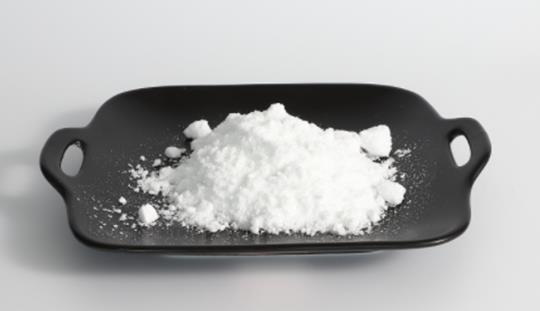
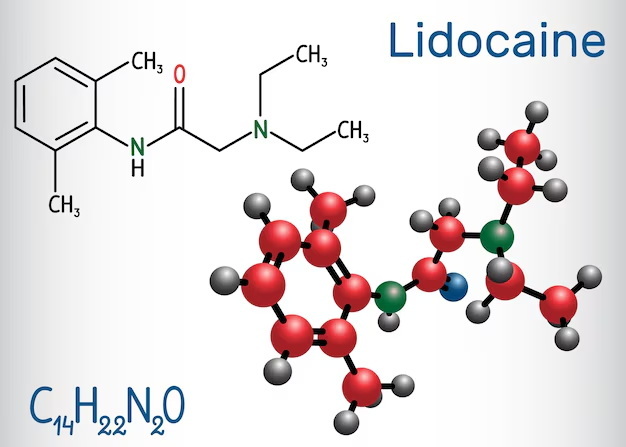
Lidocaine is a local anesthetic that works by blocking sodium channels in nerve cell membranes, thereby stopping the transmission of pain signals. Available in several forms—including injectables, gels, creams, and powders—the powdered form is prized for its flexibility, ease of storage, and ability to be mixed into customized topical solutions or reconstituted for medical procedures.
- Chemical name: 2-(diethylamino)-N-(2,6-dimethylphenyl)acetamide
- Use cases: Fast-acting pain relief for minor wounds, dental work, dermatologic or cosmetic surgeries, neuropathic pain, and more.
Lidocaine powder numbs targeted tissue by inhibiting nerve impulses at the site of application. Unlike some other anesthetics, lidocaine acts within minutes and does not produce drowsiness or affect consciousness when used locally.
Rapid onset, flexibility in formulation, and targeted effect make lidocaine powder ideal for both acute and chronic pain management.
Lidocaine powder can be mixed with creams, gels, or liquids for direct application on skin or mucous membranes. It is frequently used in minor surgical procedures such as skin biopsies, tattooing, or waxing to provide effective numbness.
Lidocaine powder may be compounded with other ingredients to relieve chronic nerve pain, including conditions like postherpetic neuralgia or diabetic neuropathy. The ability to create customized topical treatments allows for targeted therapy with minimized systemic exposure.
In dentistry, lidocaine powder is commonly incorporated into gels or solutions for numbing gums or mucosal tissues before procedures such as tooth extraction, cavity filling, or scaling. This helps reduce pain and discomfort during treatments.
Lidocaine powder can be applied intradermally or used in needle-free delivery systems to reduce pain before injections or venipuncture, making needle-related procedures more comfortable.
- Rapid action: Provides pain relief within minutes, making it ideal for emergency and urgent care.
- Versatile formulation: Easily integrated with creams, gels, and solutions, allowing for tailored treatment options.
- Targeted treatment: Minimizes systemic absorption and side effects through local application.
- More control: Dosing can be precisely adjusted to patient needs and specific procedures.
Before handling lidocaine powder or any formulation derived from it, wash your hands thoroughly. Ensure the area where the powder or cream will be applied is clean. Use antiseptic washes if needed to minimize the risk of infection.
Measure lidocaine powder accurately using a clean scale. It should be mixed into an appropriate base such as a cream, gel, or liquid to achieve the recommended concentration, usually between 2% and 5% for topical applications. Stir the mixture until it is homogeneous.
Important: Never apply the powder directly onto large open or broken skin areas unless under medical supervision. Avoid inhaling powder particles, and always keep mixtures in properly labeled, sealed containers.
- For Skin: Apply a small amount of the lidocaine-containing cream or gel to the affected skin area. Expect numbing to develop within 3 to 10 minutes. Avoid covering the area tightly unless advised by a healthcare professional.
- For Mouth or Throat: Use a clean fingertip or cotton swab to dab a small amount onto sore spots such as mouth ulcers. Be cautious not to eat or drink for at least an hour after application to prevent accidental biting or choking.
- For Dental Procedures: Follow the dentist's instructions carefully when using lidocaine gels or liquids. Typically, these are swished then spat out or applied topically without swallowing high concentrations.
- Needle-Free Applications: Use as directed by the device manufacturer, ensuring the skin is intact and the device is sealed properly against the skin surface.
Topical lidocaine products can generally be applied 2 to 4 times daily as needed. Avoid exceeding the recommended dose or application frequency, as excessive use increases the risk of systemic toxicity. It is advisable to wait at least three hours between applications.
Wash your hands after applying lidocaine formulations, and avoid touching treated areas until normal sensation returns. Store any unused powder or compounded products out of reach of children and pets.
- Allergic Reactions: If you experience rash, swelling, itching, or other signs of hypersensitivity, discontinue use immediately and consult a healthcare provider.
- Systemic Symptoms: Symptoms such as dizziness, drowsiness, seizures, irregular heartbeat, or breathing difficulties require urgent medical attention.
- Children and Pets: Use lidocaine powder products only with professional supervision in children; avoid use in pets unless prescribed by a veterinarian.
- Drug Interactions: Inform your healthcare provider about all medications you are taking, especially if you have cardiac conditions or are on other anesthetics, to prevent adverse interactions.
While lidocaine is generally safe when used as directed, some side effects may occur:
- Mild: Localized redness, tingling, or minor swelling at the application site.
- Moderate: Persistent numbness beyond expected time, development of rash, or itching.
- Severe (rare): Overdose can lead to seizures, irregular cardiac rhythms, loss of consciousness, or respiratory difficulties. Immediate medical care is essential in such cases.
Lidocaine powder can be compounded into topical gels to minimize pain in procedures such as mole removal, skin biopsies, and minor cosmetic surgeries. This reduces patient discomfort and improves procedural compliance.
Customized lidocaine creams are effective for neuropathic pain such as postherpetic neuralgia and diabetic neuropathy. These topical therapies deliver local anesthetic effects without exposing patients to systemic side effects associated with oral medications.
In emergency settings, lidocaine powder mixed with appropriate bases can provide quick numbing before suturing wounds or inserting intravenous lines, improving patient comfort and cooperation.
Lidocaine formulations prepared from powder are used for localized numbing during dental cleanings, cavity fillings, root canals, and extractions, helping to alleviate procedure-related pain rapidly.
Lidocaine powder is an essential and versatile tool for effective, fast, and targeted pain management. Its compatibility with various formulations and wide range of uses—from minor skin numbing to complex dental procedures—makes it indispensable in clinical and personal care settings. By following proper preparation, application, and safety guidelines, users can maximize benefits while minimizing risks. Whether you are a healthcare professional or an informed consumer, understanding and using lidocaine powder correctly improves comfort and outcomes during many medical treatments.
If you represent a brand, wholesaler, or manufacturer interested in expanding your anesthetic product line with high-quality, compliant lidocaine powder formulations, our OEM services offer tailor-made solutions to fit your needs. Contact us today to explore how we can help you deliver premium products to your customers and grow your business.
No. Always mix lidocaine powder with a suitable carrier such as cream, gel, or solution. Direct application of powder can cause irritation or overdose and is not recommended.
Most topical lidocaine formulations begin numbing within 3 to 10 minutes. The duration of effect usually lasts between 1 to 2 hours depending on the concentration and application site.
Stop using the product immediately and seek medical advice. Mild reactions like redness or itching may resolve on their own, but severe symptoms such as seizures, difficulty breathing, or irregular heartbeat require urgent care.
People allergic to lidocaine, those with certain heart conditions, children without medical guidance, and individuals on other local anesthetics should avoid using it without professional supervision.
Lidocaine powder at high concentrations is generally regulated and available only by prescription or through authorized distributors in most countries. Always ensure you obtain products from reputable sources.
Hot tags: How To Apply Lidocaine Powder, Lidocaine Powder Dosage Guide, Topical Use Of Lidocaine Powder, Mixing Lidocaine For Skin Use, Pain Relief With Lidocaine Powder, Lidocaine Powder In Cream Base, Lidocaine Powder Application Instructions, Safe Use Of Lidocaine Base Powder, Lidocaine Powder For Tattoo Numb, How To Use Lidocaine Safely