Content Menu
>> Chemical Structure of Lidocaine
● How Does Lidocaine Powder Work?
● Applications of Lidocaine Powder
>> Industrial and OEM Customization
● Manufacturing Process of Lidocaine Powder
● Safety, Side Effects, and Regulatory Considerations
>> Who Should Avoid Lidocaine?
>> Regulatory and Quality Standards
● Lidocaine Powder in the Market: Sourcing & OEM Services
● Additional Scientific Insights on Lidocaine Powder
>> Pharmacokinetics and Metabolism
>> Formulation Flexibility Offered by Lidocaine Powder
● Frequently Asked Questions (FAQ)
>> 1. What are the main uses of lidocaine powder?
>> 2. Is lidocaine powder safe for all skin types?
>> 3. Can lidocaine powder be used for OEM or private label products?
>> 4. What are the main side effects of lidocaine products?
>> 5. How is lidocaine powder stored and handled safely?
Lidocaine powder is a highly effective local anesthetic compound widely recognized in both medical and industrial sectors for its numbing and anti-arrhythmic properties. As a raw material, it plays a pivotal role in pharmaceutical formulations, topical products, medical devices, and dental procedures. This article explores every aspect of lidocaine powder—from its chemical structure and mechanism of action to manufacturing, safety considerations, and its diverse range of applications. We will cover the scientific basis underlying its function, detailed uses in various fields, manufacturing insights, safety and regulatory issues, and OEM customization opportunities, aiming to provide a comprehensive understanding of this valuable compound.
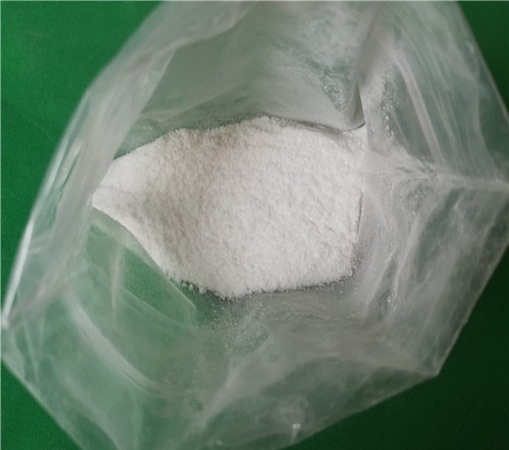
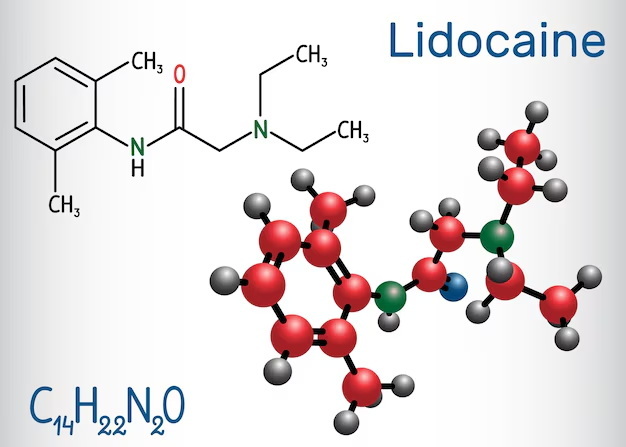
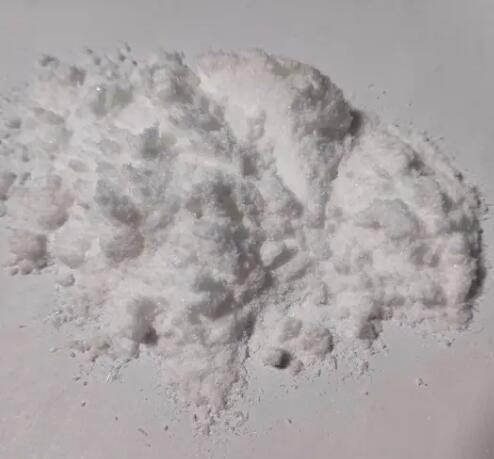
Lidocaine (chemical formula: C14H22N2O) is an amide-type local anesthetic and antiarrhythmic drug. In its powder form, lidocaine is a white, odorless, crystalline solid that serves as the foundational ingredient for various medical and pharmaceutical preparations. Unlike finished topical creams or gels, the powder form allows for versatile OEM (original equipment manufacturer) applications, enabling manufacturers to formulate tailored products that meet specific client requirements.
Lidocaine's chemical structure contains an aromatic ring, an amide linkage, and amino groups that make it lipophilic enough to penetrate nerve membranes but also hydrophilic enough to dissolve in bodily fluids. Its IUPAC name is 2-diethylamino-N-(2,6-dimethylphenyl)acetamide, with a molecular weight of 234.34 g/mol. The characteristic molecular configuration ensures that lidocaine efficiently blocks nerve signal transmission without permanent nerve damage.
Lidocaine works by blocking sodium channels in nerve membranes, effectively preventing the initiation and conduction of nerve impulses. Sodium channels are essential for nerve cells to transmit electrical signals; by inhibiting these channels, lidocaine causes a reversible loss of sensation in the treated area. This local numbness blocks pain signals before they reach the central nervous system, which is central to its application in anesthesia and pain relief.
This mechanism makes lidocaine invaluable in various procedures, including minor surgical operations, dental treatments, dermatological interventions, pain management, and cardiac arrhythmia control. The onset of action is generally rapid, and the duration can be modulated depending on concentration and formulation.
- Topical Anesthetics: Lidocaine powder is often formulated into creams, gels, sprays, patches, and ointments designed for rapid local anesthetic effects. These products provide quick pain relief for skin irritations, minor burns, insect bites, and during minor dermal procedures.
- Dental and Oral Care: Lidocaine gel or solution is applied to numb oral mucosa before injections or dental interventions, reducing discomfort during procedures like tooth extractions and cavity fillings.
- Injection Formulations: The powder is reconstituted into injectable forms used for infiltration anesthesia or nerve blocks during surgeries, enabling precise and effective localized numbness.
- Antiarrhythmic Agent: Lidocaine is critical in treating cardiac arrhythmias. Administered intravenously, it stabilizes cardiac electrical activity and prevents potentially fatal irregular heartbeats.
- Postherpetic Neuralgia: Transdermal patches containing lidocaine powder relieve chronic nerve pain following shingles, improving quality of life for affected patients.
Lidocaine powder is the preferred form for OEM partners, allowing bulk customization to produce branded topical pain relief products. Manufacturers utilize the powder to produce medicated plasters, ointments, and transdermal patches tailored to various markets, including dental, veterinary, and cosmetic sectors. OEM collaboration enables flexibility in formulation, packaging, and branding, ensuring client needs are met efficiently with high-quality standards.
Lidocaine powder is extensively used in veterinary medicine for animal surgeries and pain management. Its local anesthetic properties facilitate minor surgical procedures, wound treatments, and nerve block techniques to reduce animal suffering during medical interventions.
Creating pharmaceutical-grade lidocaine powder involves several precise chemical synthesis steps:
1. Starting Materials: The synthesis begins with 2,6-dimethylaniline reacting with chloroacetyl chloride in the presence of potassium carbonate dissolved in acetone, forming a critical intermediate compound.
2. Formation of Intermediate: This reaction produces chloroacetyl-2,6-dimethylaniline, which is a precursor to lidocaine.
3. Amidation: Diethylamine is introduced, which amidates the intermediate, generating the lidocaine base compound.
4. Purification: The lidocaine base is purified through crystallization and other purification methods to remove impurities and ensure chemical stability.
5. Conversion to Powder: For many applications, the lidocaine base is converted into lidocaine hydrochloride (the salt form) through an acidification step and vacuum drying to obtain pure, crystalline powder. This powder meets rigorous quality standards necessary for pharmaceutical use.
This thorough manufacturing process ensures the powder has consistent potency, high purity, and stability essential for safe and effective use.
Lidocaine is generally safe when used as directed. However, inappropriate use, overdosing, or application to large areas can cause adverse effects. Common side effects include:
- Local Reactions: Some users may experience skin irritation, redness, swelling, or rash at the application site.
- Systemic Effects: If absorbed in high quantities, lidocaine can cause dizziness, drowsiness, nausea, tremors, low blood pressure, or irregular heartbeat. Severe overdose may result in seizures or toxicity.
- Serious Risks: Though rare, serious conditions such as methemoglobinemia (a disorder reducing oxygen delivery in the blood), cardiac arrest, or allergic reactions may occur.
- Infants under six months should not use lidocaine due to higher risks of severe side effects.
- Individuals allergic to amide-type local anesthetics must avoid lidocaine to prevent hypersensitivity reactions.
- Patients with severe liver impairment or certain cardiac disorders should use lidocaine only under strict medical supervision.
Lidocaine powder production adheres to international Good Manufacturing Practice (GMP) guidelines and pharmacopeia standards like USP (United States Pharmacopeia) and EP (European Pharmacopoeia). These standards regulate purity, potency, and allowable impurities to maintain safe consumer use.
China stands as a leading supplier of pharmaceutical-grade lidocaine powder worldwide. Many factories in China are GMP-certified and specialize in OEM and bulk supply services. Key advantages of procuring lidocaine powder from these suppliers include:
- Custom Formulations: Ability to tailor formulations, concentrations, and branding according to client specifications.
- Flexible Order Quantities: From kilo-scale samples to large bulk shipments.
- Timely Shipping: Efficient logistics ensure on-time delivery internationally.
- Regulatory Support: Complete documentation for import-export, quality assurance, and compliance.
This makes China a preferred source for international pharmaceutical companies, cosmetic brands, and wholesalers seeking quality lidocaine raw materials at competitive prices.
Lidocaine's absorption, distribution, metabolism, and elimination determine how it acts in the body. When applied topically or injected locally, only a small amount enters systemic circulation. The liver metabolizes lidocaine primarily via cytochrome P450 enzymes, producing inactive metabolites excreted by the kidneys. Efficient metabolism limits toxicity risk when used at recommended doses.
The raw powder allows formulators to create various dosage forms such as:
- Creams and gels: For superficial skin anesthesia.
- Injectable solutions: For nerve blocks or intravenous administration.
- Transdermal patches: Providing sustained release for chronic pain conditions.
- Sprays and aerosols: For quick onset anesthesia in throat and mucosal areas.
- Dental pastes and gels: Facilitating localized oral numbness.
This flexibility makes lidocaine powder uniquely valuable within pharmaceutical development pipelines.
Lidocaine powder remains a cornerstone in medicine due to its potent local anesthetic and antiarrhythmic properties. Its crystalline form provides a powerful raw material enabling diverse customized formulations used in topical, injectable, dental, veterinary, and antiarrhythmic products globally. Safety and regulatory compliance are paramount, and trusted manufacturers adhere to stringent standards to ensure product quality.
Lidocaine powder is primarily used for preparing local anesthetic products, dental gels, topical creams, injectable solutions, and medicated patches to relieve pain and numb specific body areas.
When used as directed, lidocaine products are safe for most skin types. Individuals with allergies to local anesthetics or specific health conditions should consult a healthcare professional before use.
Yes, lidocaine powder is ideal for OEM and private label manufacturing, allowing customization of formulations and branding to meet diverse market demands.
Common side effects include skin irritation, drowsiness, or nausea. Rare but serious risks include irregular heartbeat and allergic reactions. Severe effects usually result from improper or excessive use.
Store lidocaine powder in a cool, dry place away from light and moisture. Use appropriate protective equipment such as gloves and masks during handling to avoid inhalation or skin contact.
Hot tags: Lidocaine Powder Definition, What Is Lidocaine Base Powder, Medical Use Of Lidocaine Powder, Local Anesthetic Powder Info, Lidocaine Hydrochloride Powder, Lidocaine Powder Explanation, Lidocaine Powder Vs Cream, Pure Lidocaine Powder Description, Lidocaine Powder Overview, Active Ingredients In Lidocaine