Content Menu
● Understanding Pure Lidocaine Powder
● Preparing Lidocaine Solution from Pure Powder
>> Injection
>> Infusion and Inhalation (Special Uses)
● Safety Precautions and Side Effects
● How to Use Pure Lidocaine Powder: Step-by-Step Guide
● Additional Considerations for Professional Use
● Frequently Asked Questions (FAQ)
>> 1. What is pure lidocaine powder used for?
>> 2. How do I prepare a lidocaine solution from pure powder?
>> 3. Can lidocaine powder be applied directly to the skin?
>> 4. What are the risks of using too much lidocaine?
>> 5. How often can lidocaine be reapplied or reinjected?
Pure lidocaine powder is a versatile and widely used local anesthetic in medical, dental, and cosmetic fields. It plays a crucial role in numbing specific areas to prevent pain during various procedures, ranging from minor surgeries to pain management. This article is a comprehensive guide detailing how to properly use pure lidocaine powder, including preparation, application methods, safety precautions, side effects, and frequently asked questions. The content is supplemented with practical tips and detailed explanations to facilitate better understanding.
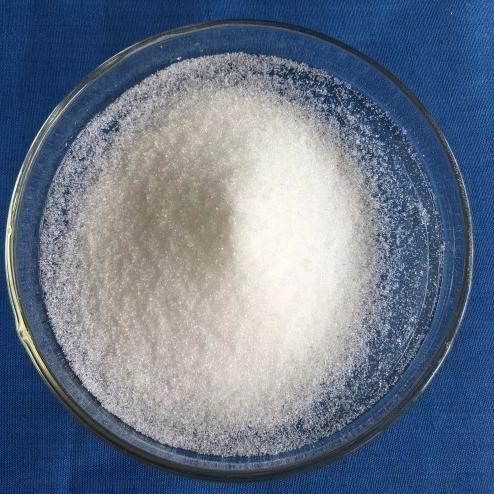
Lidocaine is a local anesthetic that works by blocking nerve signals in the body. Pure lidocaine powder needs to be properly prepared, usually by dissolving it in a suitable solvent such as sterile water or saline to create a lidocaine solution. The concentration of the solution varies based on the intended use and dosage requirements. It is primarily used for:
- Minor surgeries (e.g., mole removal, dermatological procedures)
- Dental procedures (e.g., tooth extractions, root canals)
- Pain management (e.g., chronic pain, nerve blocks)
- Cosmetic procedures (e.g., laser hair removal, microneedling)
Besides its common medical applications, lidocaine is also incorporated in formulations for topical analgesics used in sports injuries or chronic local pain. Its pharmacological effects provide significant relief by temporarily blocking the transmission of pain signals from the affected nerves.
Preparation is a critical step to ensure the safe and effective use of lidocaine powder. Healthcare professionals strictly follow dosing guidelines and sterile protocols:
1. Measuring the Powder: Accurate measurement of the lidocaine powder is essential for achieving the desired concentration. Small deviations can lead to suboptimal anesthesia or potentially dangerous overdose.
2. Solvent Selection: Sterile water or saline solution is used as a solvent. Depending on the purpose, specially buffered solutions may sometimes be preferred to improve stability or reduce irritation.
3. Dissolution Process: The powder must be dissolved thoroughly until a clear, homogeneous solution is achieved. This often requires gentle stirring and ensuring the temperature is appropriate (generally room temperature), as excessive heat may degrade the drug.
4. Storage: Prepared lidocaine solutions should be stored in sterile, airtight containers and used within recommended time frames—typically within 24 hours if refrigerated to prevent bacterial contamination or chemical degradation.
Professionals often prepare the solution immediately before use to ensure maximum potency and sterility. Training videos and step-by-step visual aids are valuable tools for mastering the preparation process.
- Lidocaine can be applied to skin or mucous membranes in the form of gels, creams, sprays, or patches.
- It is used for minor procedures or to relieve localized pain from burns, insect bites, hemorrhoids, or mouth ulcers.
- Typically, a small amount is applied gently and allowed to absorb for several minutes before the procedure begins.
- Due to the risk of systemic absorption, especially over large surface areas or on broken skin, the amount applied should be minimal and strictly follow guidelines.
- Special formulations like lidocaine-prilocaine creams are popular in dermatology and cosmetic treatments for painless injections, laser therapy preparation, or laser hair removal.
- Injectable lidocaine is the most common form used in clinical practice to achieve deep anesthesia.
- It is administered subcutaneously or around nerves depending on the procedure.
- The injection technique must be precise to avoid complications such as intravascular injection, nerve injury, or pain due to rapid injection.
- The analgesic effect typically begins within minutes and lasts up to one or two hours, depending on the dose and site.
- For larger surgeries, lidocaine may be combined with vasoconstrictors like epinephrine to prolong effect and minimize bleeding.
Proper training in injection methods is essential for healthcare providers to maximize benefits and reduce the risks of systemic toxicity or allergic reactions.
- In some cases, lidocaine is administered intravenously under close medical supervision for chronic pain management or cardiac arrhythmias.
- Lidocaine infusions require careful dosage calculation and patient monitoring, as high plasma concentrations can be toxic.
- In rare cases, aerosolized lidocaine is used for anesthetizing airways to facilitate bronchoscopy or intubation.
- Both of these advanced uses require specialized knowledge and equipment to monitor cardiac and neurological functions continuously.
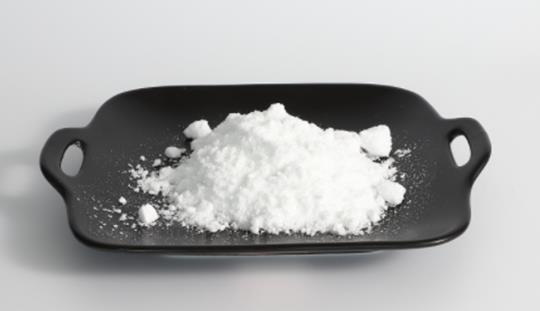
Using lidocaine powder requires meticulous attention to dosage, route of administration, and patient condition to prevent adverse effects. Common safety points include:
- Local Reactions: Mild redness, swelling, or irritation might occur at the site of application or injection. These are generally transient but should be monitored.
- Systemic Toxicity: Overdose or accidental intravenous injection can lead to serious symptoms like dizziness, tinnitus, seizures, cardiac arrhythmias, or respiratory depression. Early recognition of toxicity signs is crucial.
- Allergic Reactions: Though rare, allergic responses can range from skin rash and itching to anaphylaxis requiring emergency treatment.
- Specific Conditions: Patients with existing heart disease, liver impairment, or certain blood disorders need dose adjustments as lidocaine metabolism and clearance can vary.
- Interactions: Concomitant use with other medications (e.g., beta-blockers, anti-arrhythmics) can potentiate lidocaine's effects.
- Methemoglobinemia: A rare but serious blood disorder causing reduced oxygen delivery, characterized by cyanosis, fatigue, and shortness of breath.
Because of these risks, lidocaine should only be administered by trained professionals who can monitor vital signs and respond rapidly to adverse reactions.
1. Wash Hands and Prepare Equipment: Ensuring sterility is critical to avoid infections.
2. Prepare Lidocaine Solution: Measure the pure powder carefully and dissolve it in the appropriate sterile solvent using aseptic technique.
3. Choose the Application Method: Decide between topical application or injection based on the specific clinical need.
4. Apply or Inject:
- For topical use, apply a thin layer evenly on the area to be numbed.
- For injection, administer slowly and precisely to minimize discomfort and prevent accidental intravascular injection.
5. Observe Patient Closely: Monitor for any adverse reactions such as allergic symptoms, systemic toxicity, or local irritation.
6. Repeat as Needed: Follow recommended intervals for reapplication or reinjection—usually no more than once every three hours for topical forms.
7. Safe Storage and Disposal: Store remaining product properly to maintain efficacy, and dispose of unused solutions safely following medical waste protocols.
Training in correct dosage calculation and injection technique profoundly reduces complications and ensures patient safety.
- Regulatory Compliance: Different countries have specific regulations governing lidocaine use, preparation, and sale. Businesses and medical facilities must comply strictly.
- OEM Services: Companies supplying pure lidocaine powder for formulation in ointments, gels, or injections usually collaborate closely with customers to meet quality standards, including purity and microbiological safety.
- Quality Control: Consistent testing for potency, sterility, and absence of contaminants is essential to maintain product reliability.
- Patient Education: Informing patients on proper use, expected effects, and potential side effects enhances treatment compliance and reduces misuse.
Because lidocaine is a potent pharmaceutical agent, continuous training and adherence to clinical protocols are necessary for all users.
Pure lidocaine powder is an essential anesthetic agent widely utilized in medical, dental, and cosmetic fields for managing pain effectively. Its benefits depend on accurate preparation, safe application, and vigilant monitoring for potential side effects.
When used responsibly by trained professionals and sourced from reputable manufacturers, lidocaine helps perform various procedures painlessly, improving patient comfort and clinical outcomes. If you are interested in sourcing high-quality pure lidocaine powder for your business or medical facility, please contact us for professional OEM services and expert support tailored to your needs.

Pure lidocaine powder is used to prepare solutions for local anesthesia in medical, dental, and cosmetic procedures to numb specific areas and manage pain.
Measure the powder accurately and dissolve it in sterile water or saline, following medical guidelines for concentration and storage.
No, pure lidocaine powder should be dissolved into a suitable solution or gel form before topical application to ensure safe and effective use.
Overdose can cause dizziness, seizures, heart complications, allergic reactions, and requires immediate medical attention.
Topical lidocaine can typically be reapplied every 3 hours if needed; injection frequency depends on the treatment and should follow professional medical advice.
[1] https://www.nhs.uk/medicines/lidocaine-for-mouth-and-throat/how-and-when-to-use-lidocaine-for-mouth-and-throat/
[2] https://pmc.ncbi.nlm.nih.gov/articles/PMC3433813/
[3] https://moehs.com/wp-content/uploads/2022/12/EN__LIDOCAINE-BASE000137-58-6_11152022.pdf
[4] https://www.salispharm.com/knowledge/what-is-lidocaine-powder-used-for-
[5] https://www.glydo.com/how-to-use-glydo/
[6] https://www.fishersci.co.uk/store/msds?partNumber=15425309&countryCode=GB&language=en
[7] https://www.pccarx.com/Blog/2-tips-for-compounding-with-lidocaine-and-lidocaine-hcl
[8] https://www.mayoclinic.org/drugs-supplements/lidocaine-topical-application-route/description/drg-20072776
[9] https://imgcdn.mckesson.com/CumulusWeb/Click_and_learn/SDS_9PURTK_LIDOCAINE_HCL_CRM_3_28_3GM.pdf
[10] https://carolinachemical.com/product/lidocaine-powder/
[11] https://www.youtube.com/watch?v=vuzqIsWFn3o
[12] https://www.carlroth.com/medias/SDB-1KN7-MT-EN.pdf?context=bWFzdGVyfHNlY3VyaXR5RGF0YXNoZWV0c3wyNDgzMzV8YXBwbGljYXRpb24vcGRmfGFHSXpMMmhrTlM4NU1UY3dNemc0TnpRMk1qY3dMMU5FUWw4eFMwNDNYMDFVWDBWT0xuQmtaZ3w1NjZhOGRhYzdiYjRkMmVhYzdmMWRkNjU1YTk0NzFhNDkyYjk4ZjhhZGM2NDAxNzQ2ZGEyZWU3MDczMjQ1OWRi
[13] https://www.sigmaaldrich.com/US/en/product/sigma/l7757
[14] https://www.youtube.com/watch?v=H4Nh9bDn2fQ
[15] https://www.fishersci.com/store/msds?partNumber=AAJ6303514&productDescription=LIDOCAINE+HYDROCLRIDE+M+98+25G&vendorId=VN00024248&countryCode=US&language=en
[16] https://pmc.ncbi.nlm.nih.gov/articles/PMC4232811/
[17] https://www.youtube.com/watch?v=HUMV0i_zWl0
[18] https://www.merck.com/docs/product/safety-data-sheets/ah-sds/Lidocaine%20Hydrochloride%20Formulation_AH_US_EN.pdf
[19] https://www.poison.org/articles/lidocaine-can-cause-harmful-effects-172
[20] https://www.proacls.com/training/video/lidocaine
[21] https://www.youtube.com/watch?v=xLEKTIVt2QY
[22] https://www.fda.gov/drugs/drug-safety-and-availability/fda-drug-safety-communication-fda-recommends-not-using-lidocaine-treat-teething-pain-and-requires
[23] https://www.youtube.com/watch?v=b0iHmHNQd9w
[24] https://www.tylenol.com/safety-dosing/what-is-topical-lidocaine
[25] https://www.youtube.com/shorts/eau2om6MLfY
[26] https://www.youtube.com/watch?v=T7nsP_xSfJ0
[27] https://www.moph.gov.lb/en/Drugs/index/0/64321/page:28/sort:Drug.atc/direction:desc
[28] https://study.com/academy/lesson/video/lidocaine-structure-mechanism-of-action.html
[29] https://pmc.ncbi.nlm.nih.gov/articles/PMC8399637/
[30] https://study.com/academy/lesson/lidocaine-structure-mechanism-of-action.html
[31] https://www.mayoclinic.org/drugs-supplements/lidocaine-injection-route/description/drg-20452273
[32] https://www.youtube.com/watch?v=35HFJr3QxQ4
[33] https://www.youtube.com/watch?v=5ge8Yj41I50
[34] https://www.woundsource.com/blog/use-lidocaine-in-managing-wounds