Content Menu
● Understanding Benzocaine and Lidocaine
>> What Are Benzocaine and Lidocaine?
● Availability of Benzocaine and Lidocaine Powders Without Prescription
● Regulatory Landscape and Guidelines
>> Europe
● Safety and Risk Considerations
● Storage and Handling of Powders
● Considerations for OEM Manufacturers and Suppliers
● Frequently Asked Questions (FAQs)
>> 1. Is benzocaine powder safe to use without a prescription?
>> 2. Can I buy lidocaine powder without a prescription?
>> 3. What are the symptoms of methemoglobinemia caused by benzocaine or lidocaine?
>> 4. Can benzocaine and lidocaine be combined in one product?
>> 5. How should benzocaine and lidocaine powders be stored?
Benzocaine and lidocaine are two of the most commonly used local anesthetics designed to provide temporary pain relief by numbing targeted areas of the body. Both agents are widely present in many pharmaceutical and consumer products, helping alleviate discomfort associated with minor injuries, dental procedures, sore throats, and skin irritations. However, the forms, availability, and regulations around these substances, especially in powder form, can vary significantly.
This article offers a comprehensive exploration of whether benzocaine and lidocaine powders are available without a prescription. We will delve into their pharmacological properties, common applications, safety concerns, regulatory frameworks across different regions, and practical guidelines for consumers and manufacturers alike.

Benzocaine and lidocaine belong to the family of local anesthetics, chemicals that block nerve signal transmission by interfering with sodium ion channels in nerve membranes. This localized blockage prevents the sensation of pain in a specific area without affecting consciousness.
- Benzocaine is primarily a topical anesthetic commonly found in over-the-counter products. It appears in forms such as gels, ointments, sprays, lozenges, and powders. It is widely used for numbing mucous membranes (e.g., in the mouth and throat) and skin surfaces for relief from minor irritation or pain.
- Lidocaine is more potent and versatile, with applications not only in topical formulations but also in injectable forms for surgical anesthesia and cardiac arrhythmia management. Because of its higher potency, lidocaine products often require a prescription and medical supervision, particularly when applied in more concentrated forms.
Both agents find their utility in different medical and consumer contexts:
- Benzocaine is commonly used for:
- Numbing oral and throat pain (e.g., toothaches, sore throats).
- Treating skin conditions such as sunburn, insect bites, and minor cuts.
- Temporary relief of hemorrhoid discomfort.
- Inclusion in sprays, powders, and gels for quick localized anesthesia.
- Lidocaine is used for:
- Surgical and dental local anesthesia (injectable and topical).
- Managing chronic pain through patches or creams.
- Cardiac procedures as an antiarrhythmic medication.
- Occasionally in topical powders or gels, though powders are less common without medical oversight.
Benzocaine powder is often included in over-the-counter formulations aimed at topical pain relief and is generally accessible without prescription in many countries. Its OTC status facilitates easy consumer access for minor use cases such as skin pain relief or oral discomfort.
However, while widely available, consumers should use benzocaine-containing powders with caution, particularly because misuse or overuse can lead to serious side effects like methemoglobinemia, a rare but potentially fatal blood disorder. This is especially critical for pediatric use; many regulatory bodies strictly advise against benzocaine use in children under the age of two.
Lidocaine powder, in contrast, usually requires a prescription almost universally. The reasons include:
- Higher potency and risk of systemic toxicity.
- Side effects impacting the cardiovascular and central nervous systems.
- Potential misuse or abuse when accessed without professional supervision.
In some markets, low-concentration lidocaine topical products may be available over the counter, but concentrated lidocaine powders are restricted to prescription use to ensure safety. Regulatory classifications vary by country, with some regions classifying lidocaine as a controlled substance or prescription-only drug.
- The U.S. Food and Drug Administration (FDA) permits the sale of benzocaine powders and other formulations OTC but issues warnings about risks like methemoglobinemia, especially in children.
- Lidocaine powders and high-concentration formulations are prescription-only.
- Packaging must include clear safety instructions and warnings.
- Regulatory agencies in European countries often allow benzocaine-containing OTC products with concentration limits.
- Lidocaine availability is more restricted; powders and strong topical forms require prescriptions.
- In Canada, lidocaine is scheduled differently by province, with some topical forms available OTC at low concentrations.
- Asia and other emerging markets exhibit varying regulations, often stricter on lidocaine due to abuse risks.
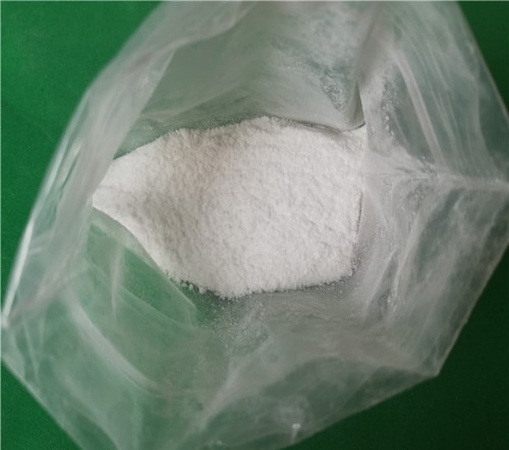
Users applying benzocaine or lidocaine powders or topical products may experience:
- Skin redness, rash, or irritation at the application site.
- Temporary numbness beyond the intended area.
- Methemoglobinemia: Benzocaine can oxidize hemoglobin, reducing oxygen delivery in the blood leading to cyanosis, fatigue, and in severe cases, death. This syndrome is more common in infants and young children.
- Cardiovascular and CNS Toxicity: Lidocaine overdose or systemic absorption may lead to arrhythmias, seizures, dizziness, or respiratory distress.
- Avoid applying these agents over large skin areas or broken skin.
- Do not use near eyes, mucous membranes (unless formulated for this purpose), or breastfeeding sites without medical advice.
- Never exceed recommended dosages stated on packaging.
- Consult a healthcare professional if symptoms persist or worsen after use.
Correct storage is essential to maintain efficacy and safety:
- Store powders in a cool, dry environment away from direct sunlight.
- Keep containers tightly sealed to prevent moisture absorption.
- Follow manufacturer-specific storage instructions.
- Keep out of reach of children to prevent accidental ingestion or misuse.
For companies involved in OEM manufacturing of benzocaine and lidocaine powders or related products, meeting regulatory compliance and quality standards is crucial:
- Verify concentration limits, ingredient sourcing, and formulation requirements for target markets.
- Ensure that all finished goods comply with labeling laws, including safety warnings and usage directions.
- Maintain high manufacturing hygiene and quality control to prevent contamination.
- Provide detailed product documentation, including MSDS and clinical data where applicable.
- Adapt product formulations or packaging based on local regulatory changes and consumer requirements.
Our company specializes in providing high-quality benzocaine and lidocaine powders with strict adherence to international pharmaceutical standards, supporting brand owners, wholesalers, and manufacturers with tailored OEM services.
In summary, benzocaine powder is largely available as an over-the-counter product in many countries and widely used in topical anesthetic formulations. For consumers and businesses, benzocaine provides an accessible solution for minor pain relief without requiring a prescription, albeit with necessary caution to avoid adverse reactions, especially in vulnerable groups.
Lidocaine powder, by contrast, remains predominantly a prescription-only medication due to its potent anesthetic effects and potential systemic risks. Regulatory restrictions are stringent to safeguard public health, and only specific low-concentration topical lidocaine products may be accessible OTC depending on regional laws.
Both agents should be used responsibly with awareness of risks and contraindications. For businesses interested in OEM manufacturing or sourcing of benzocaine and lidocaine formulations, partnering with experienced suppliers who prioritize compliance, quality, and customization is essential.
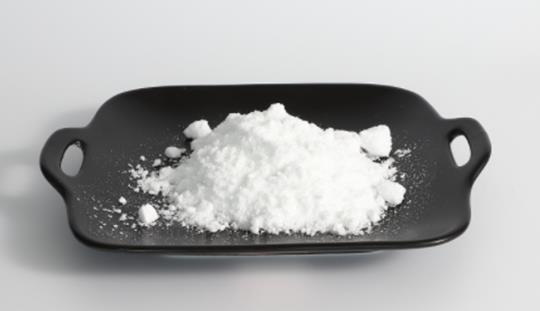
Benzocaine powder is generally safe for use in adults when applied as directed in OTC products. However, it should not be used in children under 2 years old due to the risk of methemoglobinemia, a potentially serious blood condition. Always follow product instructions and avoid excessive use.
In most countries, lidocaine powder requires a prescription due to its stronger anesthetic effects and potential side effects. Some regions may offer low-strength lidocaine topical products without prescription, but concentrated powders typically remain regulated.
Symptoms include unusual fatigue, shortness of breath, bluish or grayish skin coloration (especially around lips and nails), headache, dizziness, and rapid heartbeat. This condition requires immediate medical attention.
Yes, some topical anesthetic products combine benzocaine and lidocaine for enhanced numbing effects. Such combinations must be formulated carefully to avoid overdose and minimize adverse reactions. Always follow dosage instructions on the product label.
Store powders in a cool, dry place away from direct sunlight and moisture. Keep containers sealed when not in use and follow any additional instructions from the manufacturer to maintain product stability and effectiveness.
[1] https://www.fda.gov/drugs/postmarket-drug-safety-information-patients-and-providers/safety-information-benzocaine-containing-products
[2] http://www.phsa.ca/transcarebc-archive/Documents/HealthProf/BLT%20Info%20Sheet%20for%20Prescribers_2021%2003%2026.pdf
[3] https://en.wikipedia.org/wiki/Benzocaine
[4] https://www.aafp.org/news/health-of-the-public/20180530fdabenzocaine.html
[5] https://www.youtube.com/watch?v=4H2MSSJkclw
[6] https://study.com/learn/lesson/benzocaine-lidocaine-strength-form.html
[7] https://www.fda.gov/media/113261/download
[8] https://go.drugbank.com/drugs/DB01086
[9] https://www.poison.org/articles/are-genital-desensitizers-safe-to-use
[10] https://www.youtube.com/watch?v=RiTN1EYB-rs
[11] https://curistrelief.com/blogs/curist/benzocaine-vs-lidocaine-better-pain-relief
[12] https://pmc.ncbi.nlm.nih.gov/articles/PMC4896822/
[13] https://www.drugs.com/mtm/benzocaine-topical.html
[14] https://www.gov.uk/drug-safety-update/oral-lidocaine-containing-products-for-infant-teething-only-to-be-available-under-the-supervision-of-a-pharmacist
[15] https://study.com/learn/lesson/video/benzocaine-lidocaine-strength-form.html
[16] https://www.drugwatch.com/benzocaine/
[17] https://www.nhs.uk/medicines/lidocaine-for-mouth-and-throat/common-questions-about-lidocaine-for-mouth-and-throat/
[18] https://www.pccarx.com/Blog/2-tips-for-compounding-with-lidocaine-and-lidocaine-hcl
[19] https://pmc.ncbi.nlm.nih.gov/articles/PMC7083119/
[20] https://www.youtube.com/watch?v=EwoEK0bWL1U