Content Menu
● Aloe Vera: Healing Properties and Benefits for Wounds
● Lidocaine Hydrochloride (HCL): Pain Relief and Safety
● The Combined Effect: Aloe with Lidocaine HCL
● Safety Considerations for Open Wounds
● Clinical and Research Evidence
● Practical Guidelines for Safe Use
● Commercial and OEM Opportunities
● Frequently Asked Questions (FAQs)
>> 1. Can Aloe with Lidocaine be used on infected wounds?
>> 2. How often should Aloe with Lidocaine products be applied?
>> 3. Are there any risks of side effects from lidocaine on open wounds?
>> 4. Is it safe to use 4% lidocaine for all ages?
>> 5. Does Aloe vera help reduce scarring?
In modern biotechnology, pharmaceuticals, and medical device industries, combining natural healing agents with synthetic pain relievers is an emerging trend for enhancing wound care products. Aloe vera, widely known for its soothing and regenerative properties, is often paired with lidocaine hydrochloride (HCL), a topical anesthetic, creating formulations that promise both pain relief and accelerated wound healing. This article examines the safety, benefits, and practical use of Aloe with Lidocaine HCL for open wounds, providing detailed insights, research findings, and recommendations.
Aloe vera is a perennial plant renowned for its gel that promotes skin repair and alleviates inflammation. Its bioactive compounds, such as polysaccharides, glycoproteins, and vitamins, contribute to enhanced tissue regeneration, moisture retention, and antimicrobial protection. Multiple clinical trials have confirmed Aloe vera's efficacy in accelerating the healing of first- and second-degree burns, minor cuts, and chronic wounds such as ulcers.
The plant's gel helps reduce redness, pain, and itching by modulating inflammatory pathways and boosting immune responses. A systematic review of clinical trials found Aloe vera to improve wound healing by maintaining skin moisture and preventing infection, showing better outcomes compared to standard treatments like petroleum jelly or silver sulfadiazine ointment.
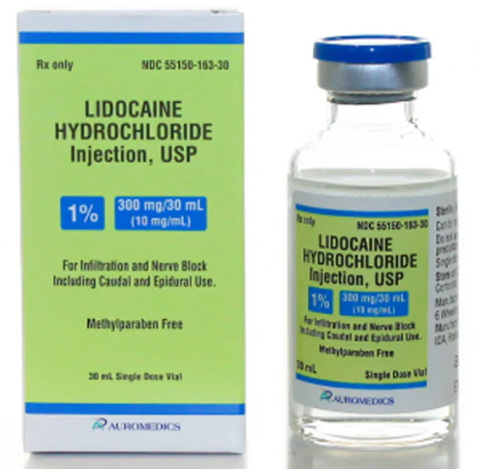
Lidocaine HCL is a commonly included ingredient in topical formulations to provide prompt numbing of the skin by blocking nerve signals. It is FDA-approved up to a 4% concentration for over-the-counter use, effective in relieving pain from burns, abrasions, insect bites, and other minor skin irritations.
Though generally safe, lidocaine application on open wounds demands caution to prevent issues like systemic absorption leading to toxicity, especially when used excessively or on large wound areas.
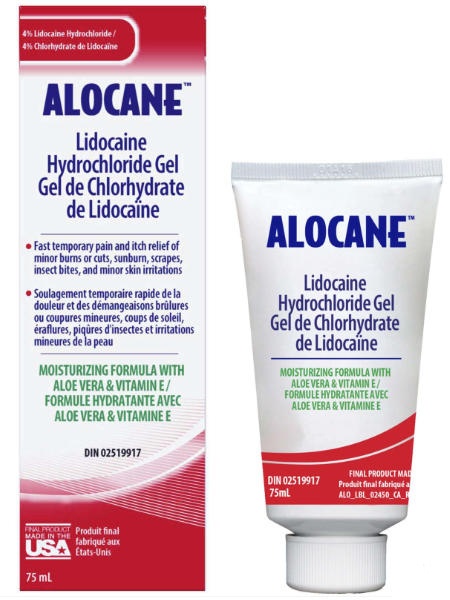
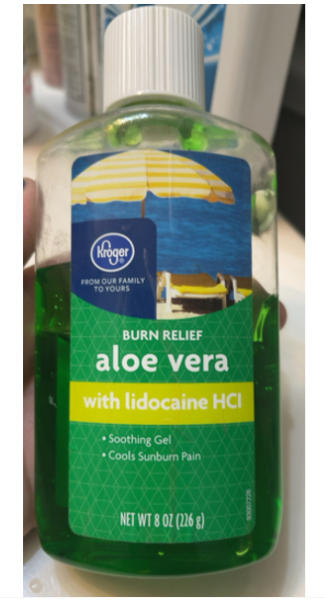
When combined, Aloe vera creates a favorable environment for wound repair while lidocaine ensures symptomatic relief from pain or itching. This combination is widely adopted in commercial burn gels and skin repair creams, offering complementary benefits:
- Aloe reduces inflammation, promotes cell regeneration, and inhibits microbial growth.
- Lidocaine numbs the affected area quickly, providing rapid comfort without systemic side effects if used as directed.
1. Wound Severity: The Aloe-lidocaine combination is best suited for minor, superficial wounds such as first-degree burns, small cuts, and abrasions. For deeper or infected wounds, professional medical advice is necessary.
2. Lidocaine Concentration: Only products with safe lidocaine levels (usually at or below 4%) should be used. Higher concentrations require prescription and careful monitoring.
3. Application Amount and Frequency: Over-application can raise the risk of lidocaine toxicity. Applying a thin layer every 3 to 6 hours according to label instructions is advised.
4. Possible Side Effects: Watch for allergic reactions or local irritation. Systemic effects like dizziness or numbness beyond the application site, though rare, require immediate medical attention.
5. Combination with Other Treatments: Aloe with lidocaine can be used alongside other wound care measures, such as sterile dressings, but avoid mixing incompatible topical agents.
Clinical trials reviewed in recent medical literature confirm Aloe vera's role in improving skin wound healing and preventing ulcers by maintaining skin integrity and moisture. It is particularly effective for first- and second-degree burn wounds, where it shortens healing time and minimizes infection risk compared to traditional treatments.
The addition of lidocaine in gel form has enhanced patient comfort in topical wound care, especially in burn emergency gels such as ALOCANE® and skin repair creams containing Aloe and lidocaine. Researchers also investigate Aloe-based hydrogels combined with lidocaine and other ingredients like collagen and vitamin E to promote tissue repair and reduce scarring.
- Clean wounds gently with sterile water before gel application.
- Apply a thin layer of Aloe-lidocaine gel on minor wounds, avoiding large or deep open wounds.
- Reapply as necessary but adhere strictly to recommended dosage and frequency.
- Discontinue use if irritation or unexpected symptoms arise.
- Seek medical advice for wounds that worsen or do not heal.
Our factory (SupplyBenzocaine.co.uk) specializes in R&D, production, and OEM of biotechnological and medical ointments and gels. We can help you develop customized Aloe with Lidocaine HCL formulations that meet international standards, ideal for brands and wholesalers seeking effective wound care solutions for global markets.
Aloe with Lidocaine HCL is a safe and effective option for treating minor open wounds when used responsibly. Aloe's natural properties complement lidocaine's fast pain relief, offering a comprehensive approach to managing symptoms and promoting faster healing. Proper attention to lidocaine concentration, wound condition, and application method ensures maximum benefits while minimizing risks. For reliable OEM partnerships in biotechnological and medical wound care products, contact us to elevate your brand with our expert solutions.
No, it is generally not recommended. Infected or deep wounds require medical intervention first.
Typically every 3-6 hours according to product instructions, without exceeding the recommended dose.
Yes, potential side effects include irritation, allergic reactions, or systemic toxicity if overused.
While 4% is safe for adults as OTC concentration, caution is advised for children, elderly, and sensitive individuals.
Aloe's moisturizing and regenerative effects can help reduce scarring during wound healing.
[1](https://pmc.ncbi.nlm.nih.gov/articles/PMC6330525/)
[2](https://joraldiagnosis.com/revista/article/download/119/116/223)
[3](https://dergipark.org.tr/en/download/article-file/3230050)
[4](https://www.sciencedirect.com/science/article/pii/S094471139680050X)
[5](https://pmc.ncbi.nlm.nih.gov/articles/PMC10379830/)
[6](https://www.cancer.gov/publications/dictionaries/cancer-drug/def/collagen-aloe-vera-vitamin-e-lidocaine-topical-hydrogel)
[7](https://sjik.org/index.php/sjik/article/view/1110/662)
[8](https://onlinelibrary.wiley.com/doi/10.1155/2015/714216)
[9](https://labeling.pfizer.com/ShowLabeling.aspx?id=14311)
[10](https://pdf.hres.ca/dpd_pm/00066351.PDF)
[11](https://hexiapharm.com/lidocaine-in-aloe-vera-benefits-uses-safety-for-skin/)
[12](https://www.questhealthcare.net/wp-content/uploads/2021/07/ALOCANE-Product-Information.pdf)
Hot tags: Aloe Vera Lidocaine Safety, Lidocaine for Open Wounds, Aloe Gel with Lidocaine, Lidocaine HCL Open Wounds, Aloe Vera Healing Properties, Topical Anesthetics for Wounds, Aloe with Lidocaine Benefits, Safe Use of Lidocaine, Aloe Vera for Skin Healing, Lidocaine Side Effects on Wounds