Content Menu
● Understanding Penicillin G Procaine and Benzathine Penicillin
● Why Use Long-Acting Formulations in Dogs?
● Safety Profile of Penicillin G Procaine Benzathine in Dogs
>> Potential Side Effects and Risks
● Interaction with Other Medications
● Importance of Completing the Full Course
● Frequently Asked Questions (FAQs)
>> 1. How is Penicillin G Procaine Benzathine administered to dogs?
>> 2. What are common side effects of Penicillin G Benzathine in dogs?
>> 3. Can Penicillin G Benzathine Penicillin cause antibiotic resistance?
>> 4. Is Penicillin G Benzathine safe for all dogs including pregnant ones?
>> 5. What should I do if my dog has an adverse reaction to this medication?
Penicillin G Procaine and Benzathine Penicillin are two important injectable forms of penicillin antibiotics widely used in veterinary medicine to treat bacterial infections in dogs. These formulations are known for their long-acting properties, allowing sustained release of the antibiotic to fight infections effectively over extended periods.
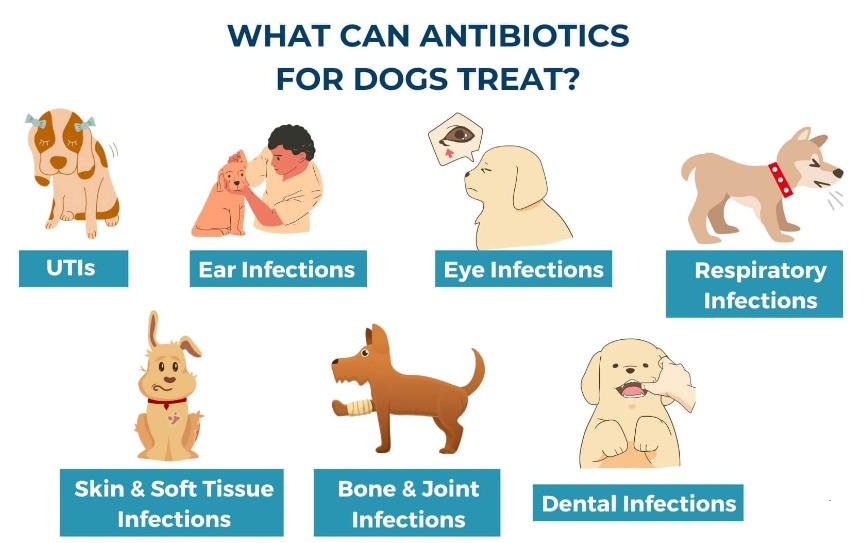
Penicillin G Procaine is an injectable penicillin combined with the anesthetic procaine to slow antibiotic absorption and prolong its effects. Benzathine Penicillin, similarly, is a long-acting form combined with benzathine salt to extend the duration of action. Both agents inhibit bacterial cell wall synthesis, making them effective against various gram-positive bacteria and some gram-negative strains that are sensitive to penicillin.
The main advantage of these formulations is prolonged therapeutic blood levels from a single intramuscular injection, which enhances owner compliance and reduces stress for the dog by avoiding repeated injections or oral medications. This makes them very useful for treating chronic infections or when prolonged antibiotic presence is necessary for effective bacterial eradication.
Veterinarians commonly prescribe Penicillin G Procaine and Benzathine Penicillin for:
- Skin infections such as abscesses or cellulitis
- Respiratory tract infections
- Wound infections and post-surgical prophylaxis
- Urinary tract infections sensitive to penicillin
- Some cases of leptospirosis and other systemic bacterial infections
These medications are typically chosen when the bacterial strain is known or suspected to be susceptible to penicillin, confirmed via sensitivity testing or clinical judgment.
When used correctly, these penicillin formulations are considered generally safe for dogs. However, safety largely depends on proper dosing, administration by a veterinarian, and consideration of the individual dog's health status.
- Allergic reactions: As with any penicillin-type drug, allergic responses can range from mild skin irritation or redness at the injection site to severe anaphylactic shock. Known hypersensitivity to penicillin contraindicates use.
- Gastrointestinal disturbances: Vomiting, diarrhea, or loss of appetite may occur due to disruption of the normal gut flora.
- Neurological signs: In rare cases, especially with overdose or improper injection, neurological symptoms like seizures might manifest.
- Injection site reactions: Pain, swelling, or abscess may develop locally if the injection is improperly administered.
- Dogs with a history of penicillin allergy or sensitivity should avoid these medications.
- Dosage adjustments and careful monitoring are essential for dogs with kidney or liver disease.
- Prolonged or repeated use increases the risk of antibiotic resistance.
- Veterinary supervision is paramount to monitor for adverse reactions and to ensure the drug suits the dog's infection type and overall condition.
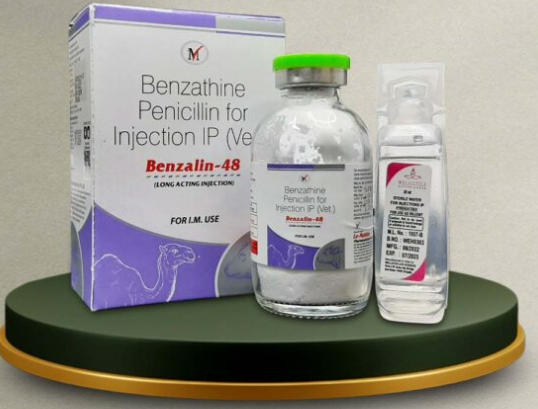
Penicillin G Procaine and Benzathine Penicillin are given via intramuscular injection, usually in the thigh muscle. The dose depends on the dog's weight and infection severity. Veterinarians adhere to dosing guidelines to maintain therapeutic levels without toxicity. Typically, a single injection can provide effective antibiotic levels for 24 to 48 hours or longer, depending on the formulation.
Owners should never attempt to administer these drugs without veterinary guidance. Incorrect injection technique or dosing can cause severe complications.
Penicillin may interact with other drugs such as methotrexate, probenecid, and certain other antibiotics, either increasing toxicity or reducing effectiveness. Inform all medications the dog is currently receiving before starting penicillin therapy.
Dogs receiving penicillin should be monitored for:
- Signs of allergic reactions (e.g., swelling, itching, difficulty breathing)
- Gastrointestinal upset
- Changes in behavior or seizure activity
- Improvement or worsening of infection symptoms
If any concerning signs occur, veterinary advice should be sought immediately.
Even if a dog's symptoms improve quickly, it is critical to complete the entire antibiotic course to prevent infection relapse and the development of drug-resistant bacteria.
Penicillin G Procaine Benzathine Penicillin, when utilized under veterinary supervision, remains a safe and effective option for treating a variety of bacterial infections in dogs. These long-acting injectable antibiotics provide convenient dosing and sustained therapeutic effects, helping ensure compliance and treatment success. Nevertheless, potential allergic reactions and side effects require careful monitoring, and only a qualified veterinarian should prescribe and administer these medications. Responsible usage, accurate diagnosis, and adherence to dosage guidelines are key to maximizing safety and efficacy for dogs.
If your dog is suffering from a bacterial infection or you need reliable veterinary antibiotics, contact us for tailored, high-quality veterinary pharmaceutical solutions. Our team provides professional guidance and OEM services to ensure your pets receive the best care possible.
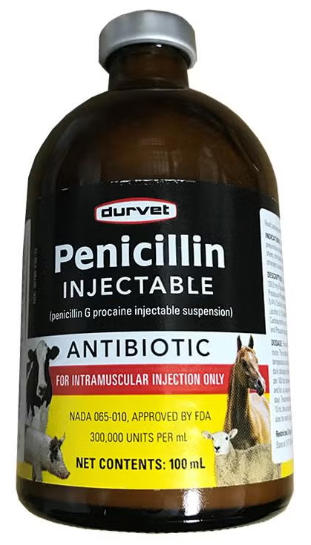
It is typically administered via intramuscular injection by a veterinarian. Dosage depends on the dog's weight and the infection's type and severity. Never attempt to inject your dog without professional guidance.
Side effects may include allergic reactions (swelling, itching, hives), gastrointestinal upset such as vomiting or diarrhea, injection site discomfort, and rare neurological signs. Immediate veterinary help is necessary for severe reactions.
Yes, misuse such as incomplete treatment courses or inappropriate dosing can lead to antibiotic resistance, reducing the drug's future effectiveness.
Use during pregnancy should be done cautiously and only under veterinary prescription, as safety varies depending on individual cases.
Contact your veterinarian immediately. They may provide supportive care or switch to an alternative antibiotic as needed.
[1](https://www.petmd.com/pet-medication/penicillin-dogs-and-cats)
[2](https://www.petplace.com/article/drug-library/drug-library/library/penicillin-g-for-dogs-and-cats)
[3](https://www.ncbi.nlm.nih.gov/books/NBK507723/)
[4](https://www.msdvetmanual.com/pharmacology/antibacterial-agents/penicillins-use-in-animals)
[5](https://www.sciencedirect.com/topics/agricultural-and-biological-sciences/benzathine-benzylpenicillin)
[6](https://www.msdvetmanual.com/multimedia/table/dosages-of-penicillins)
[7](https://onlinelibrary.wiley.com/doi/pdf/10.1002/9781119421870.app10)
[8](https://ohiostate.pressbooks.pub/osuvmcabxuse/chapter/abx_penicillin-farm-animal/)
[9](https://pmc.ncbi.nlm.nih.gov/articles/PMC3280785/)
Hot tags: Penicillin G for Dogs, Benzathine Penicillin Safety, Procaine Penicillin Side Effects, Antibiotics for Dogs, Dog Medication Safety, Veterinary Penicillin Use, Penicillin Dosage for Dogs, Dog Health and Antibiotics, Side Effects of Penicillin in Dogs, Safe Antibiotics for Pets