Content Menu
● What is Lidocaine HCL 1 Plain 50ml?
● Stability and Heat Sensitivity of Lidocaine HCL
● Recommended Storage Conditions
● Handling, Transport, and Heat Exposure Precautions
● Signs of Heat-Induced Degradation
● Chemical Stability and Safety Data Insights
● Why Our OEM Lidocaine HCL 1 Plain 50ml is Your Best Choice
● Frequently Asked Questions (FAQs)
>> 1. How long can Lidocaine HCL 1 Plain be stored in warm environments?
>> 2. What are the effects of heat exposure above 30°C?
>> 3. Can Lidocaine HCL vials be sterilized by autoclaving?
>> 4. How can I detect if Lidocaine HCL has degraded due to heat?
>> 5. What shipping methods ensure Lidocaine HCL safety in hot climates?
Lidocaine Hydrochloride (HCL) 1 Plain 50ml is a commonly used local anesthetic that plays a critical role in pain management in medical, pharmaceutical, and biotechnology fields. Understanding the effects of heat exposure on the stability, safety, and effectiveness of this product is essential for manufacturers, healthcare providers, and end users to ensure patient safety and optimal product performance.
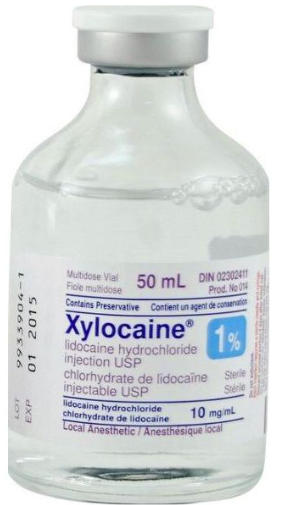
Lidocaine HCL is a white crystalline powder that is highly soluble in water and is formulated as an injectable solution for local anesthesia. The 1% concentration in a 50ml vial is a standard preparation used extensively for medical procedures requiring localized numbness, including dental, surgical, and dermatological applications.
This formulation is clear, colorless, or slightly yellow and contains 10mg of lidocaine hydrochloride per milliliter. Due to its widespread use, maintaining the integrity of Lidocaine HCL during storage and transport is paramount.
Extensive pharmaceutical research indicates that Lidocaine HCL in solution is reasonably stable within controlled room temperature conditions. Lidocaine Hydrochloride, when stored dry, can withstand temperatures up to 120°C for short periods without significant break down, but this condition rarely applies to the injectable solution form.
For the injectable product, concerns arise mainly due to liquid formulation exposure to elevated temperatures above recommended storage parameters. Heat can accelerate chemical degradation processes including hydrolysis and oxidation, which potentially reduce the anesthetic's efficacy and safety.
The United States Pharmacopeia (USP) defines controlled room temperature as 20°C to 25°C (68°F to 77°F), with allowance for excursions between 15°C and 30°C (59°F to 86°F). Beyond these limits, prolonged exposure poses a risk for quality deterioration.
Proper storage is critical:
- Store Lidocaine HCL 1 Plain 50ml at 20°C to 25°C.
- Excursions between 15°C to 30°C are permissible for short durations.
- Avoid temperatures above 30°C as prolonged heat exposure can degrade the solution.
- Protect the product from direct sunlight and UV light as photodegradation may occur.
- Keep unopened vials in a cool, dry, well-ventilated area.
- Use single-dose vials immediately after opening to minimize contamination risks.
In hot climates or during shipping in elevated temperatures, extra care must be taken:
- Use insulated packaging with cold packs for long-distance transport.
- Avoid leaving vials in vehicles or areas where temperatures exceed recommended limits.
- Pharmacies and clinics should monitor storage environments to avoid heat damage.
- Avoid autoclaving Lidocaine HCL solutions; heat sterilization can lead to molecular breakdown.
- Inspect vials visually for changes in color, clarity, or particles before use.
Heat-exposed Lidocaine HCL solutions might exhibit:
- A change in solution color from clear to yellowish or darker shades.
- Formation of particulate matter or precipitates.
- Uncharacteristic odors indicating chemical changes.
If any of these symptoms are noticed, the product should be discarded safely, and suppliers should be notified immediately.
According to safety data sheets and scientific literature:
- Lidocaine hydrochloride solutions have low toxicity when handled properly but should avoid inhalation, skin, or eye exposure.
- The chemical is not classified as hazardous under OSHA Hazard Communication Standards at normal handling but requires good industrial hygiene practices.
- It is not compatible with strong oxidizers, so storage away from such substances is recommended to avoid dangerous reactions.
- Adequate ventilation in storage and manufacturing environments is necessary to prevent airborne exposure risks during handling.
Our factory specializes in manufacturing high-quality pharmaceutical and medical products including Lidocaine HCL injections. We comply with strict Good Manufacturing Practice (GMP) and international regulations to ensure purity, safety, and consistency.
We provide customized OEM services for international brands, offering:
- Reliable supply chain and on-time delivery
- Comprehensive technical support including storage and handling guidelines
- Strict quality control from raw material to finished product
- Certification and documentation meeting regulatory standards worldwide
Partner with us for your Lidocaine HCL needs and guarantee your customers receive the safest and most effective anesthetic solutions.
Lidocaine HCL 1 Plain 50ml is safe for use when stored and handled properly within specified temperature limits, ideally 20°C to 25°C, with allowable excursions up to 30°C. Exposure to higher temperatures can compromise drug stability, reducing effectiveness and safety. Proper heat protection during storage, transport, and usage is vital. As a trusted Chinese OEM manufacturer, we offer high-quality Lidocaine HCL compliant with international standards, backed by expert guidance to ensure product safety and customer satisfaction. Contact us to know more!
It can be safely stored at controlled room temperature (20°C to 25°C) with occasional short-term exposure to temperatures up to 30°C. Avoid sustained heat exposure beyond these limits.
Prolonged heat above 30°C can lead to chemical degradation, resulting in reduced anesthetic potency and potential changes in solution appearance or safety.
No, Lidocaine HCL injections should not be autoclaved. Heat sterilization can damage the solution and render it unsafe.
Visual changes like discoloration, cloudiness, or precipitates and unusual odors suggest degradation and the product should be discarded.
Insulated packaging, use of cold packs, and minimizing transit time help maintain required storage temperatures and product integrity.
[1](https://www.pfizermedical.com/lidocaine/storage-handling)
[2](https://cdn.pfizer.com/pfizercom/products/material_safety_data/PZ00157.pdf)
[3](https://www.wikidoc.org/index.php/Lidocaine_how_supplied_storage_and_handling)
[4](https://dhpp.hpfb-dgpsa.ca/dhpp/resource/95021/consumer-information)
[5](https://www.merck.com/docs/product/safety-data-sheets/ah-sds/Lidocaine%20Hydrochloride%20Formulation_AH_US_EN.pdf)
[6](https://pdf.hres.ca/dpd_pm/00057008.PDF)
[7](https://www.pfizermedical.com/lidocaine-hydrochloride/storage-handling)
[8](https://www.septodont-en.ca/wp-content/uploads/sites/10/2022/11/Lidocaine-Epinephrine-2021-SDS_3.pdf?x81116)
Hot tags: Lidocaine HCL Safety, Lidocaine Heat Stability, Lidocaine Injection Risks, Lidocaine Storage Conditions, Lidocaine Side Effects Heat, Lidocaine HCL Dosage, Lidocaine HCL 1% Injection, Lidocaine Overdose Symptoms, Local Anesthetic Heat Effects, Lidocaine HCL Guidelines