Content Menu
● Medical and Industrial Applications of Procaine
● How Is Procaine Regulated in the US?
>> Florida-Specific Regulation
● Who Can Legally Buy Procaine in Florida?
>> Manufacturers and Industrial Buyers
>> Legal Risks
● Procaine Compared to Other Anesthetics
● Online Purchasing: Dangers and Legal Concerns
● Importing Procaine to the United States
● Safe and Compliant Procurement Practices
● Frequently Asked Questions (FAQ)
>> 1. Can anyone buy procaine from a pharmacy in Florida?
>> 2. Is it legal to import procaine for industrial or laboratory use to Florida?
>> 3. Are there criminal penalties for buying procaine online without a prescription?
>> 4. Is procaine the same as cocaine, and is it equally regulated?
>> 5. Can veterinary buyers in Florida purchase procaine-based products?
As biotechnology and pharmaceutical industries continue to grow globally, questions regarding the legal landscape for chemical compounds like procaine become increasingly common—especially among international buyers, brands, and wholesalers. Procaine, a well-known local anesthetic, is widely used in medicine, dentistry, veterinary applications, and research. But is it legal to buy procaine in Florida? This comprehensive article explores procaine's legal status in Florida, its federal regulation, safe purchasing considerations, the difference between medical and non-medical uses, and best practices for buyers seeking compliance.
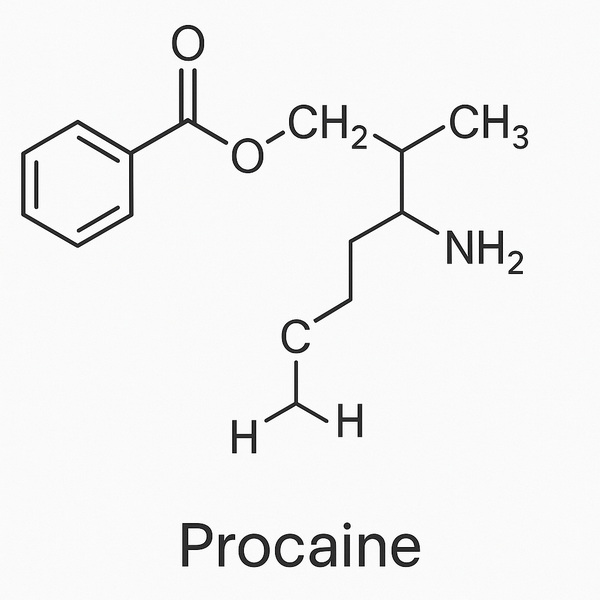
Procaine (commonly known by the brand name Novocain) is an ester-type local anesthetic. It is prized for its ability to numb targeted areas temporarily, decreasing pain during procedures such as dental surgeries, minor medical operations, and in veterinary medicine. While less potent than many amide-type anesthetics like lidocaine, procaine is favored for its relatively low toxicity and short duration of action.
Procaine works by blocking nerve signals in the area where it is applied, making it an essential tool for pain management in outpatient procedures and minor surgeries. Despite newer anesthetics entering the market, procaine remains widely used due to its safety profile and cost-effectiveness.
Procaine has a variety of applications across different fields:
- Local anesthesia in minor surgical and dental procedures: It is often used for numbing during tooth extractions, skin biopsies, and minor cuts or wounds.
- Veterinary medicine for animal anesthetization: Vets use procaine for local anesthesia in pets and farm animals during various procedures.
- Research chemical intermediate or reagent: Laboratories use procaine in chemical synthesis and pharmaceutical research due to its well-known properties.
- Component in topical pain relief products: In some countries, procaine is formulated into creams or ointments for temporary relief of muscle or joint pain.
- Industrial pharmaceutical manufacturing: Procaine derivatives may be used in the production of other drugs or medical compounds.
- Cosmetic industry applications: Certain skin-care products might contain procaine or its derivatives for localized numbness and soothing effects.
These diverse uses reflect the compound's flexibility, but regulatory scrutiny varies significantly depending on the application and jurisdiction.
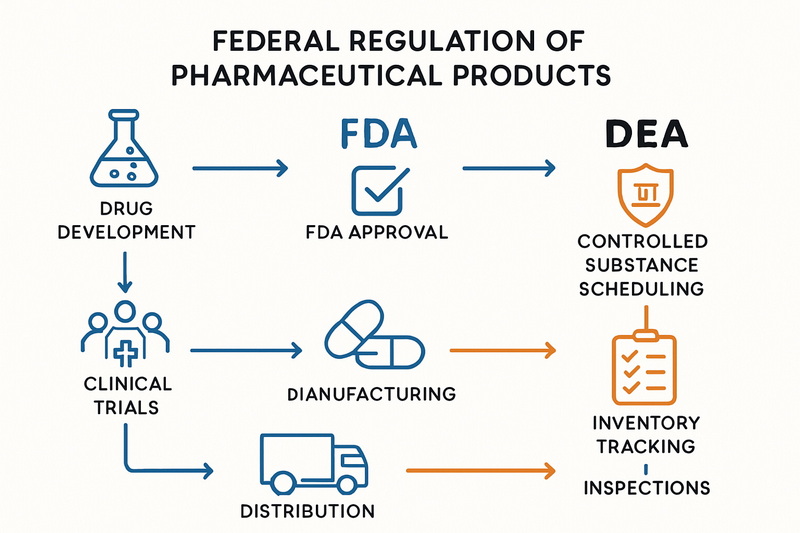
In the United States, drugs and chemicals are regulated by both federal and state laws. The Drug Enforcement Administration (DEA) is responsible for monitoring controlled substances, categorizing them into Schedules I through V under the Controlled Substances Act based on abuse potential and medical usefulness. The Food and Drug Administration (FDA) regulates the safety, efficacy, and marketing of pharmaceutical products and mandates compliance standards for drugs sold for human or animal use.
Procaine itself is not classified as a scheduled controlled substance under the CSA. Unlike cocaine, which is chemically related to procaine but is highly addictive and prone to abuse, procaine lacks significant abuse potential and is exempt from scheduling. However, procaine products intended for injection or pharmaceutical use typically require FDA approval and must be dispensed under prescription authority.
It is illegal to purchase any prescription medication, including procaine-based products intended for human or veterinary use, without a valid prescription issued by a licensed healthcare provider. This restriction aims to prevent misuse, contamination, and harm arising from unregulated access.
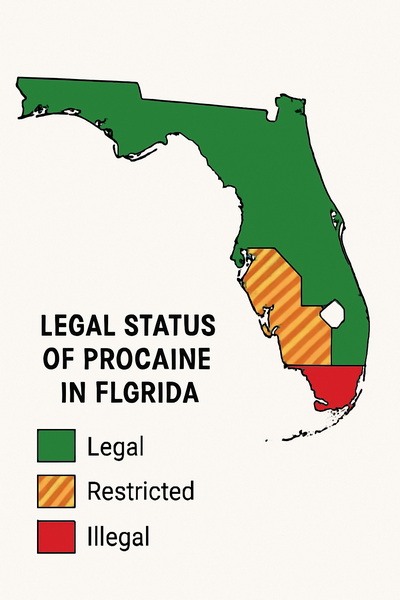
Florida adheres largely to federal scheduling but has its own statutes (Florida Statute 893.03) governing controlled substances. Procaine does not appear on Florida's controlled substance lists, indicating it is not regulated as a controlled chemical at the state level.
Despite this, the sale, possession, and distribution of procaine within Florida are still subject to applicable laws governing pharmaceutical drugs. Prescription medications containing procaine may only be dispensed through pharmacies with appropriate prescriptions. The distribution of procaine or any pharmaceutical product for illicit use is prohibited under Florida law.
Florida also enforces regulations relating to the handling and sale of potentially hazardous chemicals to minors or for non-medical misuse. This means even though procaine itself isn't a controlled substance, unauthorized sale, especially online, may trigger violations under other statutes.
- Licensed Physicians, Dentists, and Veterinarians: These professionals can legally purchase, prescribe, and use pharmaceutical-grade procaine or compounded medications containing procaine for patient care or veterinary treatments.
- Pharmacies: Must dispense procaine only when presented with a valid prescription.
- Research Institutions: Universities and laboratories may legally acquire procaine for approved research or laboratory activities compliant with institutional and regulatory guidelines.
Wholesale manufacturers or chemical companies can import or purchase procaine for non-human uses such as chemical synthesis, industrial manufacturing, or cosmetics production. They are required to comply with regulations pertaining to chemical safety, transport, and proper documentation.
Individuals not licensed or authorized to use prescription drugs cannot legally purchase procaine if it is intended for human or veterinary medical use without a prescription. Bulk purchase of pure procaine by unlicensed individuals is prohibited, especially if intended for injection or any medical purpose. Non-medical uses such as certain cosmetics or laboratory reagents are exceptions but require documentation and approval where applicable.
- Unauthorized possession or purchase for human use: May result in criminal charges, including fines or imprisonment.
- Illegal importation: Procaine imported without FDA approval or without valid prescriptions risks seizure by Customs and potential penalties.
- Sale to minors or diversion to illicit use: Subject to severe state and federal punishments.
- Mislabeling or fraudulent documentation: Can trigger federal investigations and sanctions.
Purchasing procaine from unregulated or overseas online sources risks exposure to counterfeit, contaminated, or substandard products. Such drugs may cause adverse reactions, ineffective anesthesia, or serious health complications. Moreover, without medical supervision, improper use of procaine (incorrect dosing or contraindications) increases risk of allergic reactions or systemic toxicity.
Procaine is often compared with other local anesthetics such as lidocaine and cocaine. Lidocaine, another widely used local anesthetic, offers a longer duration and enhanced potency but is structurally different and also not a controlled substance. Cocaine, though also an anesthetic used in niche medical fields like ENT surgeries, is a Schedule II controlled substance because of its high potential for abuse.
The differences highlight how regulatory status is tied closely to the abuse potential and medical necessity of a substance. Procaine's favorable safety profile and lack of abuse potential contribute to its less stringent regulation but do not exempt it from prescription requirements or oversight.
Although the internet offers convenience for acquiring chemicals and medications, buying procaine online carries significant legal and safety risks:
- Illegality: Purchasing prescription drugs without valid prescriptions is unlawful.
- Counterfeit products: Many online sellers, especially those based outside the U.S., may supply counterfeit or substandard procaine products.
- Lack of medical oversight: Improper dosing and unsafe administration without licensed supervision can endanger health.
- Customs Enforcement: Shipments lacking proper documentation risk confiscation and may trigger investigations.
Healthcare authorities warn consumers against using “cyber pharmacies” that do not verify prescriptions or provide proper medical guidance.
Importation of procaine into the U.S.—whether for industrial, research, veterinary, or pharmaceutical use—must comply with U.S. Customs and Border Protection, FDA, and DEA regulations.
- Pharmaceutical preparations: Importation almost always requires valid prescriptions and FDA approval.
- Bulk chemical imports: Allowed under controlled circumstances with accurate documentation of intended use, safety handling, and compliance with hazardous materials regulations.
- Unlawful imports: Risk seizure, destruction, and penalties for importers.
It is essential that importers coordinate with customs brokers and regulatory specialists to ensure shipment compliance.
To remain compliant when purchasing or importing procaine:
- Verify the intended use—is it for medical, veterinary, research, or industrial applications?
- Use only licensed, reputable suppliers experienced in U.S. regulatory requirements.
- Ensure all necessary prescriptions, licenses, and import permits are obtained.
- Work closely with customs brokers and logistics to assure proper documentation.
- For non-medical uses such as research or cosmetics, confirm current state regulations and approvals.
- Avoid purchasing or shipping procaine to consumers for human use without strict prescription processes.
Adherence to these steps mitigates legal risks and protects public health.
Procaine is not a scheduled or controlled substance in Florida, and it is legal to import, manufacture, or distribute it for industrial, laboratory, or veterinary purposes with proper compliance. However, buying, importing, or using procaine as a medication for human use is strictly regulated and requires a valid prescription. Attempts to circumvent the law, especially through online purchases without a prescription or by misrepresenting the intended use, can result in severe federal and state penalties. Only reputable, properly licensed suppliers and buyers should engage in the sale or import of procaine, ensuring full compliance with all laws and regulations. When in doubt, consult a legal or regulatory expert to ensure your supply chain remains safe and legitimate.
No, procaine and medications containing procaine require a legitimate prescription from a licensed healthcare professional in order to be dispensed by a pharmacy.
Yes, provided all relevant U.S. Customs and FDA regulations are met, and the importer can document lawful intended use (such as for research or manufacturing), but not for human or veterinary administration without required licenses.
Yes. Buying prescription drugs, including procaine intended for human use, online without a prescription can lead to both federal and state misdemeanor or felony charges, including fines and possible imprisonment.
No. Procaine is a local anesthetic and not a controlled substance, while cocaine is a Schedule II controlled substance with severe restrictions and high penalties for unauthorized possession or use.
Licensed veterinarians can purchase and administer procaine-based veterinary medications for animals, as long as they comply with Florida and federal animal drug regulations.
Hot tags: Buy Procaine Legally In Florida, Florida Procaine Laws, Procaine Legal Status Florida, Where To Buy Procaine In Florida, Is Procaine Allowed In FL, Purchase Procaine Florida Pharmacy, Florida Local Anesthetic Laws, Buy Procaine Florida Online, Medical Procaine Florida, OTC Anesthetic Laws Florida